The mobile phone camera competition has entered a new era, challenging the dominance of Western giants like Apple and Samsung. According to the latest benchmark tests by DxOMark, a leading authority in camera performance, the top smartphone camera is now made by a Chinese manufacturer. The new Huawei Pura 80 Ultra leads with a historical record score, signaling a shift in global consumer preference and technology leadership.
Consumers are increasingly concerned with camera quality as a primary factor when selecting smartphones. Benchmark results and user feedback are now widely used to measure real innovation, resulting in growing attention to brands beyond the traditional leaders.
DxOMark Crowns Huawei as New Camera King


Based on DxOMark’s comprehensive tests, the Huawei Pura 80 Ultra scored an unprecedented 175 points. This makes it the highest-rated camera phone in DxOMark history. The results were achieved after careful analysis of image and video quality in multiple scenarios, such as daylight, low light, portrait, and telephoto photography.
The previous leader, Oppo Find X8 Ultra, held the top spot with 169 points. That score still outperformed recent releases from Apple and Samsung, but could not match the performance leap Huawei introduced. DxOMark emphasized Huawei’s superiority in the main camera system, bokeh effect, and telephoto capabilities.
Huawei’s comeback in mobile photography also coincides with Apple’s market share decline in China, the world’s largest smartphone market. Despite Apple’s efforts to compete by launching new technologies and redesigns in its latest iPhone 17, it remains uncertain whether Apple can reclaim its status among Chinese consumers.
Standout Features of the Huawei Pura 80 Ultra
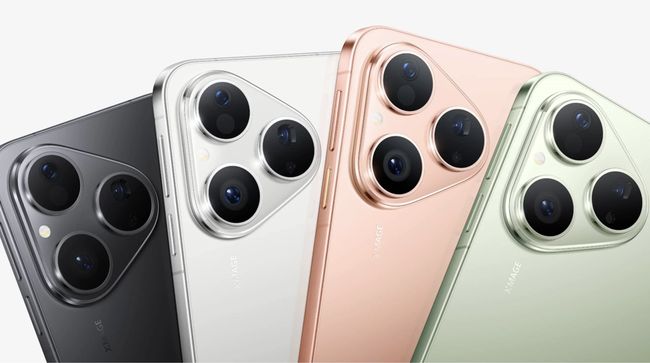
Huawei’s proprietary XMAGE camera system sits at the heart of the Pura 80 Ultra. Its primary sensor is 50 megapixels and measures one inch in size—rarely seen in smartphones. The camera offers variable aperture from f/1.6 to f/4, allowing users to control depth of field more creatively.
Apart from the main sensor, the phone sports a 40MP ultra-wide lens and a dedicated 1.5MP spectral sensor for enhanced color accuracy. The dual-periscope telephoto setup consists of a 50MP and a 12.5MP sensor. These provide optical zoom at 3.7x (83mm equivalent focal length) and 9.4x (212mm), catering to serious mobile photographers.
According to DxOMark, the Pura 80 Ultra achieved a near-perfect 180 points in photo quality and 166 points in video tests. The device consistently produced detailed images, vibrant natural skin tones, wide dynamic range, and low noise levels. Although there were minor issues with color consistency and occasional overexposure, the overall autofocus performance and realistic bokeh kept it ahead of the competition.
Performance Beyond the Camera
Aside from superior camera hardware, Huawei focused on premium design and display technology. The Pura 80 Ultra features a high-resolution OLED panel with a 120Hz refresh rate and peak brightness suitable for outdoor use. The flagship chipset, ample RAM, and a massive battery with fast charging complete the premium package.
The phone operates on HarmonyOS, which integrates seamlessly with Huawei’s ecosystem of devices and services. This strengthens its appeal to users who prioritize connectivity and all-in-one device experience.
Top 10 Smartphone Cameras (DxOMark Scores)
For readers seeking an objective ranking, these are the most notable devices as evaluated by DxOMark camera benchmarks:
- Huawei Pura 80 Ultra – 175 points
- Oppo Find X8 Ultra – 169 points
- Vivo X200 Ultra – 167 points
- Google Pixel 10 Pro XL – 163 points
- Huawei Pura 70 Ultra – 163 points
- iPhone 16 Pro Max – 161 points
- Google Pixel 9 Pro XL – 160 points
- Xiaomi 15 Ultra – 159 points
- Honor Magic6 Pro – 158 points
- iPhone 16 Pro – 157 points
This list shows a significant presence of Chinese brands, while traditional top names from the US and other regions occupy fewer positions in the top ten.
Innovation and Market Trends in Mobile Photography
China’s rapid technological progress continues to disrupt the global smartphone market. As the Huawei Pura 80 Ultra dominates camera quality rankings, consumer perception around camera brands is also evolving. Major Chinese manufacturers—Huawei, Oppo, Vivo, Xiaomi, and Honor—have collectively raised the standard for mobile imaging.
Analysts from CNBC Indonesia report that Huawei’s return to the top of camera rankings came as Apple encountered difficulties defending its share in Asian markets. Despite continuous innovation in design and system capabilities from Western leaders, Asian brands now lead in niche areas like mobile photography.
Thanks to collaboration with reputable camera testing organizations and in-depth R&D, these brands now routinely deliver hardware and software optimizations on par with digital cameras. Cutting-edge aperture technology, larger sensors, advanced AI processing, and creative multi-lens systems are now defining the flagship experience.
What Makes a Camera Phone “The Best” in 2025?
Market analysts agree that consumer expectations for phone cameras are shaped by clear evaluation criteria. According to DxOMark and industry experts, the following points are critical for a phone to be valued as the “best” camera phone:
- Sensor size and quality—the core of image detail and low-light performance.
- Versatile focal lengths—ultra-wide, standard, and periscope lens combinations.
- Computational photography—AI-driven image and video enhancement features.
- Fast and accurate autofocus in all conditions.
- User-friendly and stable app experience for both casual and advanced users.
Huawei’s positioning gains credibility by meeting and, in some cases, exceeding performance standards in all these categories, as evidenced by their DxOMark score summary.
The Growing Influence of Benchmark Scores
DxOMark has become a trusted resource not only for enthusiasts but also for the wider public evaluating purchase decisions. The independent scoring system provides a consistent basis for comparing camera systems across brands, fostering a culture of transparency and healthy competition.
Consumer priorities are evolving along with leaps in camera technology. While Samsung and Apple continue to attract loyal users through ecosystem integration, design, and overall usability, Chinese brands—most notably Huawei—have firmly established industry leadership in mobile photography.
With demand for high-quality photo and video experiences on the rise, the next flagship smartphone battle is increasingly shifting toward China. As new challengers gain international recognition, users now have more choices than ever to find a camera phone perfectly suited to their creative and everyday needs.