


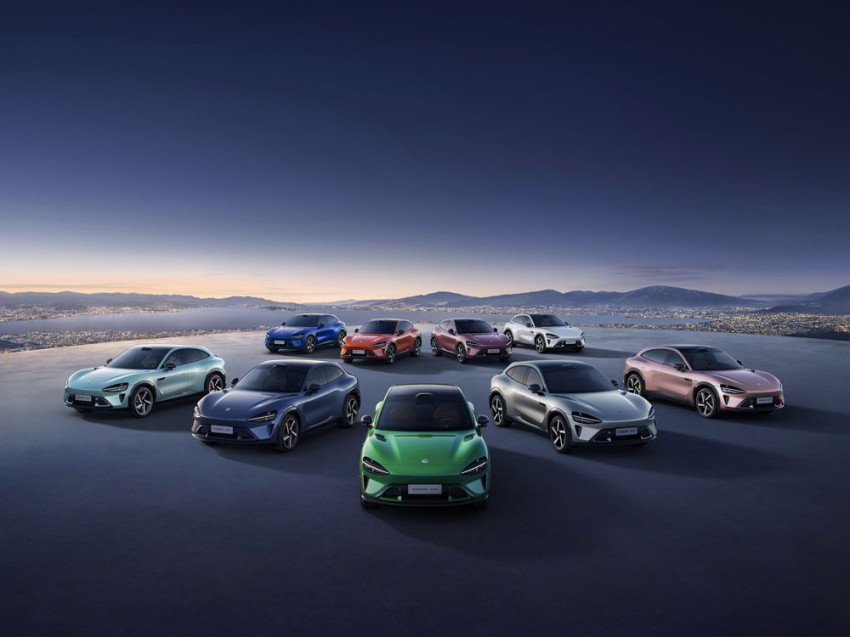
The Indonesian automotive market is witnessing a noticeable shift as more consumers turn their attention to Chinese car brands. Competition among these manufacturers has intensified, with several brands recording significant changes in sales within a short period. According to recent sales data released by the Association of Indonesian Automotive Industries (Gaikindo), Chinese auto brands are beginning to dominate segments previously held by established non-Chinese manufacturers.
Sales figures reveal clear trends in consumer preferences and show which brands are leading the race. Two key types of sales data are being tracked: wholesales, representing units shipped from the manufacturer to dealers, and retail sales, or units sold directly to end consumers. Across all manufacturers, total wholesales reached over sixty-one thousand units, while retail sales exceeded sixty-six thousand units.
Dominance of BYD in the Market
BYD has emerged as the top-selling Chinese automotive brand within the observed period, recording wholesales of 2,562 units. This figure represents a growth of 9.72 percent compared to the previous month’s 2,335 units. Industry observers attribute this growth to strategic product launches at major automotive exhibitions, most notably the debut of the BYD Atto 1, which became available from approximately 195 million rupiah.
The BYD Atto 1’s competitive pricing and advanced features are attracting a new generation of Indonesian car buyers. Alongside it, the BYD M6 continues to be a favorite among families looking for reliable electric vehicles. Market analysts note that BYD’s rapid lineup expansion is positioning the brand as a leader, not only in sales figures but also in consumer confidence regarding electric vehicles.
Performance of Other Leading Chinese Brands
Chery follows BYD in the sales list, with wholesales reaching 1,179 units. However, this number shows a decrease of 25.98 percent compared to the previous month’s result. The current figure does not yet factor in the newly released models showcased at the Indonesia International Auto Show, which could impact next month’s rankings.
Wuling ranks just above Chery, posting sales of 1,411 units during the same period. This brand remains consistent in supplying the market with compact and mid-sized vehicles targeted at urban families. Wuling’s ongoing partnerships with local dealerships aim to consolidate its position in the competitive automotive landscape.
Aion, maintaining its reputation for smart and efficient electric mobility, holds fourth place with 725 units sold. The brand’s focus on sustainability and innovative technology is resonating especially with younger consumers in Indonesia’s larger cities. Jaecoo, sitting at the fifth spot, distributed 318 units, highlighting its steady, though gradual, growth in a challenging market.
Comprehensive List of Best-Selling Chinese Car Brands
Based on official wholesales, the ranking of Chinese automotive brands in Indonesia is as follows:
- BYD: 2,562 units
- Wuling: 1,411 units
- Chery: 1,179 units
- Aion: 725 units
- Jaecoo: 318 units
- Denza: 292 units
Denza, a sub-brand of BYD focusing on luxury electric vehicles, rounds out the list at sixth place. The Denza D9, in particular, has captured the interest of buyers seeking premium models with advanced features and comfort.
Consumer Trends and Market Impact
The surge in popularity of Chinese brands, particularly BYD, is closely linked to broader shifts in consumer behavior and government policies. An increasing number of Indonesian buyers are prioritizing electric and hybrid vehicles, spurred by rising fuel costs and the government’s incentives for low-emission vehicles.
Auto manufacturers that swiftly adapt to these changes by introducing affordable, well-equipped electric models are seeing successful penetration into the mainstream market. The BYD Atto 1 is a prime example, blending attractive pricing with impressive battery range to meet daily driving needs.
Meanwhile, sustained marketing efforts and dealer expansions by brands like Wuling and Chery aim to secure long-term loyalty. After-sales service quality is emerging as an essential factor in buyers’ decision-making processes, as first-time purchasers seek confidence in their investments.
Key Factors Driving the Popularity of Chinese Cars
Several factors contribute to the rising sales of Chinese automotive brands in Indonesia:
- Affordable Pricing: Most Chinese cars are positioned at competitive price points.
- Technological Advancements: Features such as advanced infotainment, driver assistance, and efficient electric drivetrains come as standard.
- Aggressive Model Launches: Regular introductions of new models and variants keep consumer interest high.
- Expanding Dealer Networks: Strengthened after-sales and maintenance services boost customer confidence.
Outlook for the Indonesian Automotive Industry
Industry analysts believe that the increasing diversity and volume of Chinese vehicles will continue to stimulate competition, ultimately benefiting consumers through greater choice and improved value. Market responses to future launches, along with upcoming regulatory developments, are expected to determine the next phase of growth for all involved brands.
Market watchers suggest that success in the Indonesian market will depend on how well Chinese manufacturers can balance price, technology, and service quality. As the market continues to evolve, the patterns established by brands like BYD may serve as a blueprint for sustainable expansion by international manufacturers seeking to tap into the dynamic Indonesian automotive sector.