Indonesia’s automotive industry continues to attract attention with its highly competitive landscape. The latest sales data gathered by Gaikindo has pinpointed the ten top-selling car brands, answering the search for which models dominate the national market. This article breaks down which manufacturers performed best and highlights popular models that sparked consumer interest.
Demand trends show persistent dominance of Japanese manufacturers, but the growing popularity of electric vehicles is shifting the competition. As families, business owners, and young professionals seek the best fit, data-driven choices become more important for buyers looking to make smart purchases in the evolving auto market.
Indonesia’s Top 10 Car Brands by Sales Volume
Gaikindo’s official data confirms the brands with the highest sales, reflecting consumer confidence and the attractiveness of each manufacturer’s lineup. Here are the rankings:
| No | Brand | Units Sold |
|---|---|---|
| 1 | Toyota | 18,303 |
| 2 | Daihatsu | 8,847 |
| 3 | Mitsubishi | 6,781 |
| 4 | Suzuki | 5,911 |
| 5 | Honda | 4,375 |
| 6 | BYD | 2,562 |
| 7 | Wuling | 1,411 |
| 8 | Hyundai | 1,401 |
| 9 | Chery | 1,179 |
| 10 | Aion | 725 |
Toyota secures its top position with more than 18 thousand units sold. Daihatsu and Mitsubishi follow, each delivering robust numbers and reinforcing their market presence. Newcomers like BYD and Aion signal rising consumer interest in electric vehicles and fresh alternatives.
Most Popular Car Models by Each Top Brand
Data reveals not only each brand’s overall performance but also which individual models became consumer favorites. Here are the top picks by brand:
1. Toyota
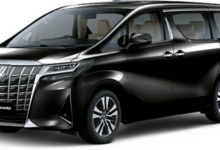
Toyota rules the market with strong family and commercial options. The best-selling models include:
- Toyota Calya 1.2 G: 1,414 units
- Toyota All New Kijang Innova G A/T Diesel: 1,286 units
- Toyota All New Avanza 1.5 G CVT: 997 units
- Toyota Hi-Lux 2.4 PU DC G 4×4: 971 units
- Toyota Rush 1.5 GR Sport: 869 units
Toyota’s consistent demand reflects its reputation for reliability, aftersales support, and affordable maintenance costs.
2. Daihatsu
Securing second place, Daihatsu attracts both business owners and families with practical utility vehicles. Leading models are:
- Gran Max PU 1.5 STD AC PS: 2,956 units
- New Sigra 1.0 M MT: 769 units
- Gran Max BV 1.3: 698 units
- All New Terios IDS X MT: 497 units
- Gran Max PU 1.5 STD: 306 units
Daihatsu’s focus on light commercial vehicles such as Gran Max keeps it relevant for entrepreneurs and logistics providers alike.
3. Mitsubishi Motors
With sales exceeding 6,000 units, Mitsubishi strengthens its local presence through dependable models. Highlights by sales include:
- Mitsubishi Destinator 1.5L Ultimate A/T: 1,236 units
- Mitsubishi L300 D P/U FLD: 1,041 units
- Pajero Sport 2.4L Dakar (4×2): 501 units
- Mitsubishi Destinator 1.5L Ultimate Premium A/T: 469 units
Mitsubishi’s multipurpose and SUV offerings have maintained steady performance, appealing to both business use and personal mobility.
4. Suzuki
Suzuki enjoys consistent market share with a mixture of hybrid technology and workhorse vehicles. Top sellers listed as:
- Suzuki New Carry PU FD: 2,148 units
- Suzuki Fronx Hybrid SGX 2Tone AT: 749 units
- Suzuki New Carry PU WD: 465 units
- Suzuki Alpha Hybrid 2Tone AT: 427 units
Small pickups remain a backbone for Suzuki, while newer hybrid crossovers like Fronx boost the brand’s appeal to eco-conscious buyers.
5. Honda
Honda maintains a loyal user base thanks to city-friendly, fuel-efficient options. These models lead their lineup:
- Honda Brio Satya E: 1,398 units
- Honda Brio Satya E (other variant): 789 units
- Honda New HR-V e:HEV: 637 units
- Honda New HR-V E+: 371 units
- Honda New HR-V RS e:HEV: 264 units
Honda’s Brio Satya continues as a top urban pick, sought for its compactness and affordability in daily commuting.
6. BYD
BYD, a strong contender from China focusing on electric and hybrid vehicles, makes a big impact this period:
- BYD M6 Standard: 873 units
- BYD Sealion 7 Premium: 441 units
- BYD Atto 3 Advanced Standard Range: 430 units
- BYD M6 Superior: 259 units
- BYD M6 Superior Captain: 247 units
The brand’s tech-forward approach and competitive pricing rapidly attract Indonesian consumers to electrified mobility.
7. Wuling
Wuling’s strategy to focus on electric vehicles starts delivering results. Notable models sold include:
- Wuling New Binguo Lite: 503 units
- Wuling New Binguo Pro: 220 units
- Wuling New Cloud Pro: 161 units
- Wuling New Air EV Pro 300KM: 117 units
- Wuling Alvez 1.5 EX: 81 units
Wuling’s EV variants are gaining traction due to affordability and unique city-focused design.
8. Hyundai
Hyundai puts emphasis on MPVs and hybrid powertrains. Key performers are:
- Hyundai Stargazer Cartenz X Prime 6 Seat: 173 units
- Hyundai All New Palisade Hybrid Calligraphy: 118 units
- Hyundai Stargazer Cartenz X Prime 7 Seat: 107 units
- Hyundai Creta FL N Line: 106 units
- Hyundai Stargazer Cartenz Prime HSS 6 Seat: 93 units
Stargazer’s favorable reception cements Hyundai’s position for families seeking spacious and comfortable rides.
9. Chery
Chery, another rising Chinese brand, focuses on young and adventurous buyers. Leading options from their lineup are:
- Chery Tiggo 8 CSH FWD: 356 units
- Chery iCar 03 AWD: 219 units
- Chery Omoda E5: 171 units
- Chery iCar 03 RWD: 106 units
- Chery Tiggo Cross Premium: 83 units
Popular for offering crossovers and SUVs that balance performance and value, Chery is quickly earning recognition.
10. Aion
Aion stands out as a dedicated electric vehicle brand, delivering eco-friendly and tech-rich cars:
- Aion V Luxury: 617 units
- Hyptec HT Premium: 96 units
- Aion Y Plus Premium: 7 units
- Aion Y Plus Exclusive: 5 units
Though its total is under a thousand units, Aion’s growing numbers reflect increasing demand for green mobility solutions.
Key Market Insights and Emerging Trends
Indonesia’s latest auto sales data illustrates that established Japanese brands remain appealing for their durability and after-sales support. However, the surge in electric vehicle choices from Chinese brands like BYD, Wuling, and Aion signals changes in buyer preference toward environmentally friendly and high-tech options.
Dealers and manufacturers are responding quickly to changing demands. Flexible financing options, rapid approval processes, and transparent pricing are making it easier for families and businesses to own popular models. This trend is further strengthened by government incentives and the expansion of local EV infrastructure, helping more drivers transition toward sustainable vehicles.
With more choices than ever from MPVs, SUVs, to electric city cars, Indonesian consumers can select vehicles that fit their needs and lifestyles. The spotlight now shines on affordable and innovative models—giving buyers a wider range to explore, from fuel-efficient city compacts to the latest electrified mobility platforms.