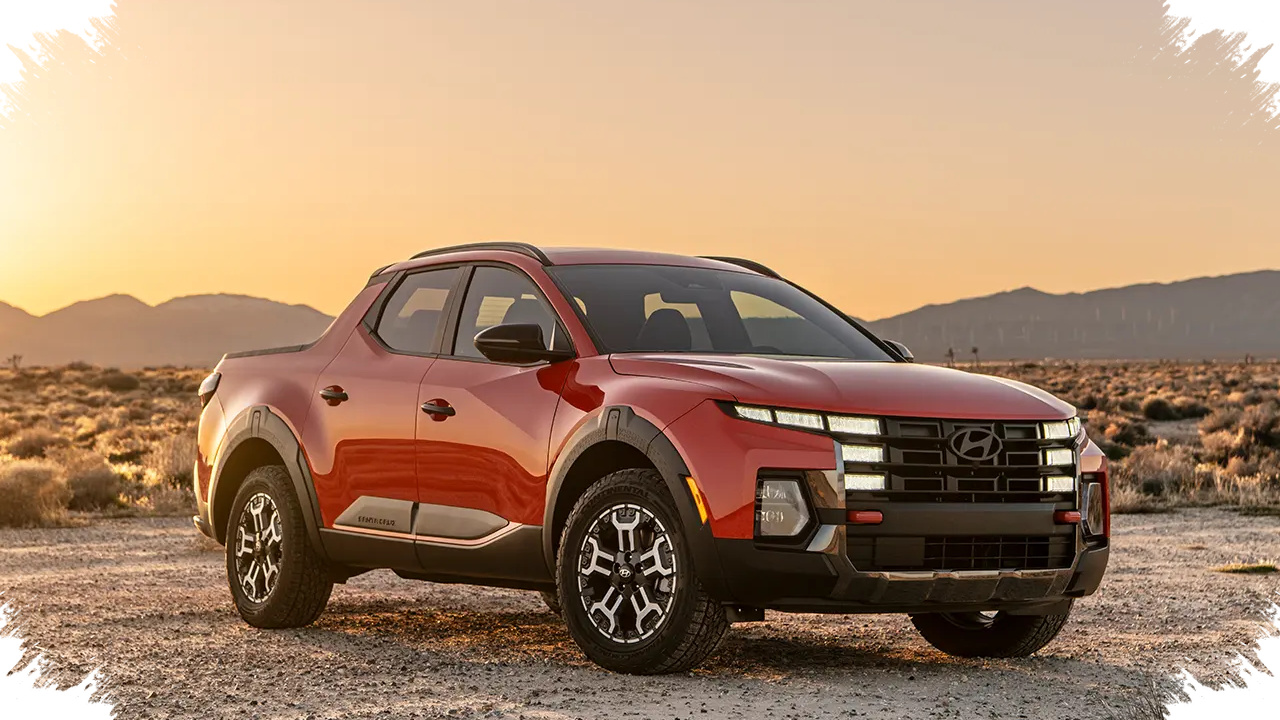
For many UMKM operators, the real pressure is not only on sales but also on daily transport costs. When fuel spending rises, a pickup that is efficient, durable, and easy to maintain can make a meaningful difference to cash flow.
That is why several pickup models continue to attract attention as practical work vehicles for small and medium businesses. The focus is not just on engine output, but also on fuel economy, load capacity, maneuverability, maintenance costs, and spare-part availability.
What matters most in a business pickup
Not every business needs the same type of pickup, and that is the main reason the right choice depends on operating patterns. Heavy cargo, narrow urban roads, frequent stops, and long working hours all demand different strengths from a vehicle.
For businesses that run deliveries every day, the most useful pickup is usually the one that can keep operating costs under control while still handling real workloads. In that context, the following five models are often seen as the most reasonable options for UMKM that need productivity without excessive fuel burden.
1. Suzuki Carry Pickup
Suzuki Carry Pickup remains one of the strongest names in daily commercial transport. Its 1.5L gasoline engine is known for responsive performance and fuel efficiency, which makes it suitable for city distribution that involves frequent stop-and-go driving.
Its low maintenance cost also adds to its appeal. Widely available spare parts help reduce service expenses and keep downtime to a minimum, which is important for businesses that depend on constant vehicle availability.
2. Isuzu Traga
Isuzu Traga is a strong fit for businesses that need a wide cargo bed and solid pulling power in one package. It uses a 2.5L diesel engine with high torque, supporting heavy loads and uphill routes with greater ease.
Because of that character, Traga is often associated with building materials, staple goods, and other high-volume deliveries. The reference also notes that it is efficient in its class, which makes it appealing for operations that rely on high rotation and controlled long-term operating costs.
3. Daihatsu Gran Max Pickup
Daihatsu Gran Max Pickup offers a practical balance for small and medium businesses that need flexibility. Its 1.3L and 1.5L engine options provide an efficient character for intensive daily use.
Its compact body makes it easier to move through narrow streets and crowded areas. The model is also frequently used as a base for modifications, including box trucks, freezer vehicles, and other commercial configurations tailored to specific business needs.
4. Mitsubishi L300
Mitsubishi L300 still carries a reputation as a hard-working pickup. Its latest version is said to have adopted Euro 4 emissions standards with a diesel engine that is more efficient and more environmentally friendly.
Durability remains the main reason many businesses continue to choose it. Even though its fuel consumption is not always as economical as some newer rivals, L300 is still known for being tough across different conditions, from city roads to plantation areas.
5. DFSK Super Cab
DFSK Super Cab enters the segment as a more modern pickup option. Its 1.3L turbo diesel engine offers a competitive blend of power and fuel efficiency.
It also adds value through features such as light power steering, which is useful in busy daily operations. Although DFSK’s dealer and workshop network is not as broad as Japanese brands, Super Cab still stands out because of its competitive pricing and more modern appearance.
Choosing according to business needs
The best pickup for UMKM depends on the type of cargo and the routes it serves. Heavy-load businesses usually benefit from models with stronger torque and wider cargo beds, while urban distributors often prioritize agility, gasoline efficiency, and service affordability.
For businesses that need a versatile vehicle, pickups that are easier to modify and comfortable enough for daily use usually offer the strongest practical value. In that sense, each of these five models addresses a different operational need, giving business owners more room to match vehicle choice with real-world workload.
-
-

-

-