


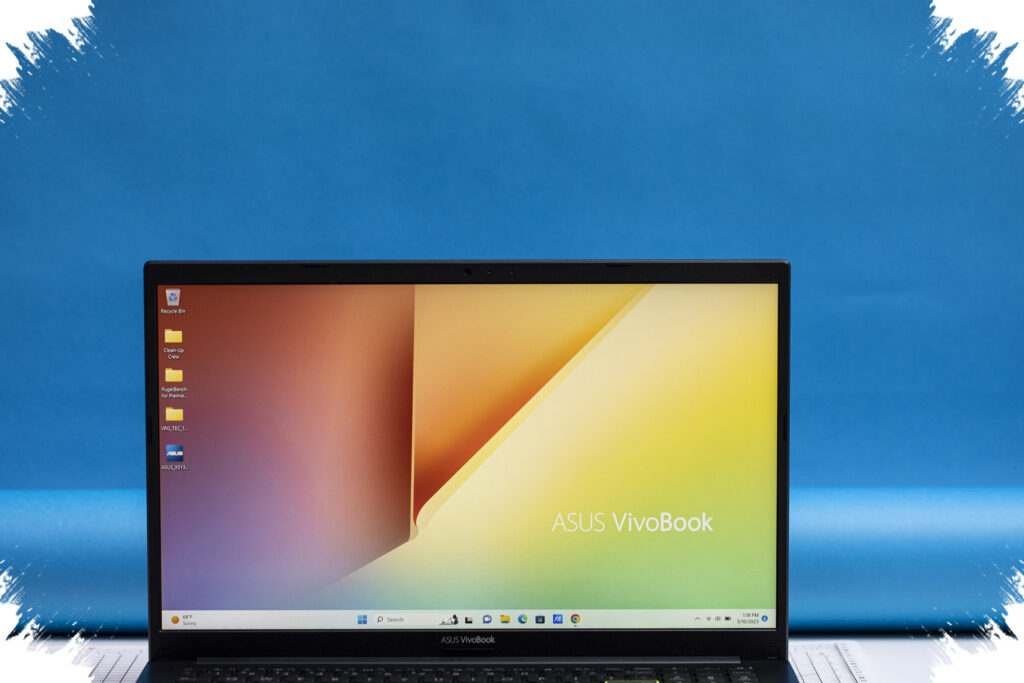
ASUS has positioned the Vivobook 15 series as more than just an affordable laptop line for students. The lineup now stretches from practical everyday use to a more serious option for editing and other creative workloads.
That broader direction is visible in the way ASUS splits the series into two distinct paths. Vivobook Go 15 is aimed at users who want a budget-friendly machine for routine tasks, while Vivobook Pro 15 OLED targets those who need stronger performance and a sharper display for visual work.
Two models, two different priorities
The separation matters because it gives buyers a clearer choice based on real usage needs. Users who mainly need a device for learning, online classes, daily work, and entertainment can stay in the entry-level segment without overspending.
At the same time, those who need higher display quality and stronger hardware can move up to a model built for more demanding tasks. That approach makes the Vivobook 15 series relevant across a wider range of users, instead of being limited to one narrow category.
Vivobook Pro 15 OLED is built for creative work
The more capable option in the lineup is the Vivobook Pro 15 OLED. It comes with a 15.6-inch display, 3K resolution, and a 120Hz refresh rate, which gives it a more advanced visual profile than a typical mainstream laptop.
ASUS also equips the panel with 100% DCI-P3 coverage and PANTONE Validated status. Those details matter for tasks that depend on color accuracy, including design and video processing, while also making movies and other visual content look more refined.
Audio support adds to the multimedia focus. Dolby Atmos and Harman Kardon are included, which helps strengthen the overall experience for entertainment and content review.
On the performance side, the laptop can be configured with up to Intel Core Ultra 9 and NVIDIA RTX 4050 graphics. ASUS also includes the IceCool Pro cooling system so the device can maintain stable performance under heavier workloads.
Vivobook Go 15 stays focused on practicality
For users who want something simpler, the Vivobook Go 15 E1504GA is built around everyday needs. It uses an Intel Core i3-N305 processor, 8GB of RAM, and SSD storage of up to 512GB.
Those specifications are aimed at web browsing, online learning, typing, and other light tasks. Its FHD display offers 250 nits of brightness and includes an anti-glare layer, which helps with comfort during longer periods of use.
ASUS also adds a webcam with a privacy shutter and a comfortable keyboard. With a weight of around 1.63 kg, the laptop is easier to carry between campus, home, and other work locations.
Durability and market positioning
The Vivobook 15 series also carries US MIL-STD 810H durability standards. That certification signals that the laptop line is designed for active daily use and more frequent movement.
Price positioning also shows how far apart the two models sit. Vivobook Go 15 starts at Rp 4.2 million, while Vivobook Pro 15 OLED ranges from around Rp 17 million to Rp 21 million for the higher-tier configuration.
In the premium segment, ASUS positions the Pro OLED as more competitive than Dell XPS 15 in terms of display refresh rate and price. In the entry-level space, the Go 15 goes up against the HP 15, while ASUS points to advantages such as military-grade durability and a privacy shutter.
Which users fit each model
The choice between the two models depends on usage pattern more than brand preference. Vivobook Go 15 fits users with light workloads and tighter budgets, while Vivobook Pro 15 OLED is better suited to editing, heavy multitasking, and tasks that demand stronger visual quality.
RAM and storage should also be considered early, especially for those who want the laptop to stay comfortable to use over the long term. With both ends of the spectrum covered, the Vivobook 15 series shows how one family of laptops can serve students, office users, entertainment-focused buyers, and creators with different levels of demand.