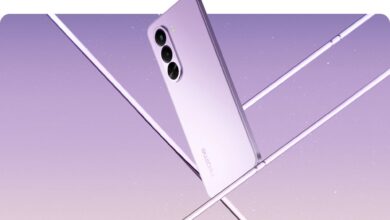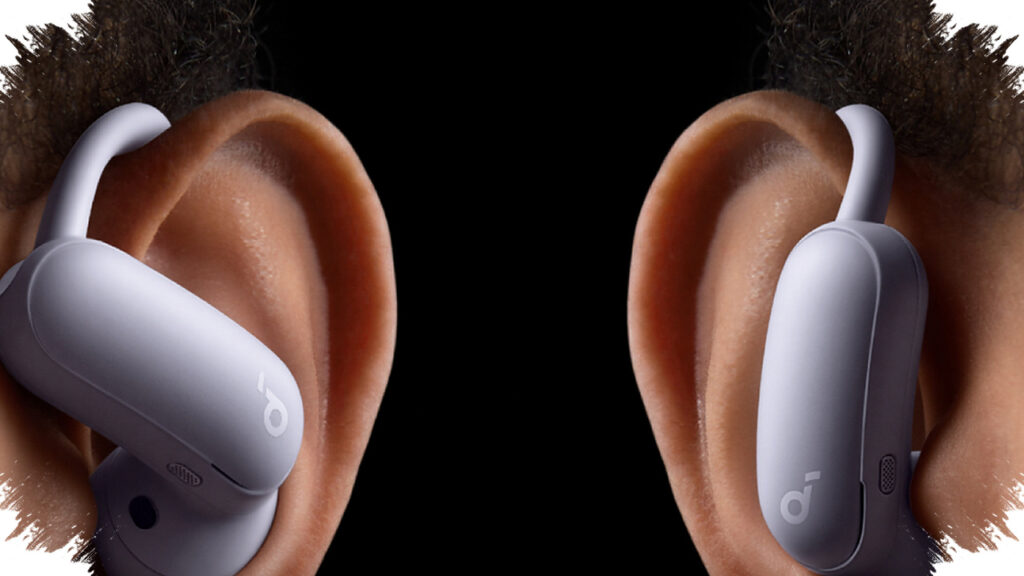
Anker is pushing its AI ambitions into one of the most constrained device categories it can choose: wireless earbuds. The company is doing that with a new chip called Thus, which is designed to bring on-device intelligence to hardware with very limited space, small batteries, and strict thermal limits.
That choice matters because earbuds are not an easy place to run AI locally. They sit close to the ear, have little room for cooling, and must last through long listening sessions without draining power too quickly.
Why earbuds are the toughest test
Anker appears to be treating earbuds as a proving ground for a broader AI strategy. Android Authority noted that this category remains one of the hardest targets for on-device AI because of its physical constraints, compact battery size, and the need to keep temperatures safe for users.
If Thus can operate effectively in such a small product, it could give Anker more confidence to extend the same approach to other devices later. The earbud format therefore serves as both a technical challenge and an early demonstration of what the chip can do.
A chip built for low-power AI
The core of Anker’s approach is a compute-in-memory design. This method processes data directly in memory, which reduces the need to move information back and forth between the processor and memory.
According to Anker, that data movement can account for more than 90% of power consumption in other solutions. By cutting that overhead, Thus is intended to make AI features more practical on devices that cannot rely on large batteries or aggressive cooling.
That efficiency focus is central to the chip’s purpose. Earbuds need to remain comfortable, compact, and reliable during daily use, so any AI feature has to work without placing heavy strain on the hardware.
Clear Calls is the first visible feature
One of the first features shown for the Thus platform is Clear Calls. The feature uses Environmental Noise Cancellation, or ENC, powered by a large neural network to filter background noise more selectively.
Anker is positioning the feature as a way to keep conversations clearer in noisy environments. The idea is to move beyond more basic audio-processing systems that are commonly found in simpler wireless audio devices.
The hardware setup behind it is also notable for a product size this small. Anker says the system uses eight MEMS microphones and two bone-conduction pickups working alongside the Thus chip to improve call quality.
The company is looking beyond one earbud model
The first earbuds using Thus do not appear to be the end goal. Anker has indicated that the chip is meant to become a foundation for more devices across its ecosystem.
Over the next few years, Thus is expected to expand beyond Soundcore audio products. That suggests Anker is trying to build a wider on-device AI platform rather than limiting the chip to a single product line.
If that plan works, the impact could go beyond call clarity. Local AI processing can support other smart features that respond quickly without depending on remote servers.
Anker has not shared the full specifications of its first Thus-powered earbuds yet. The device is expected to be introduced next month at Anker Day, with the announcement date listed as May 21.