


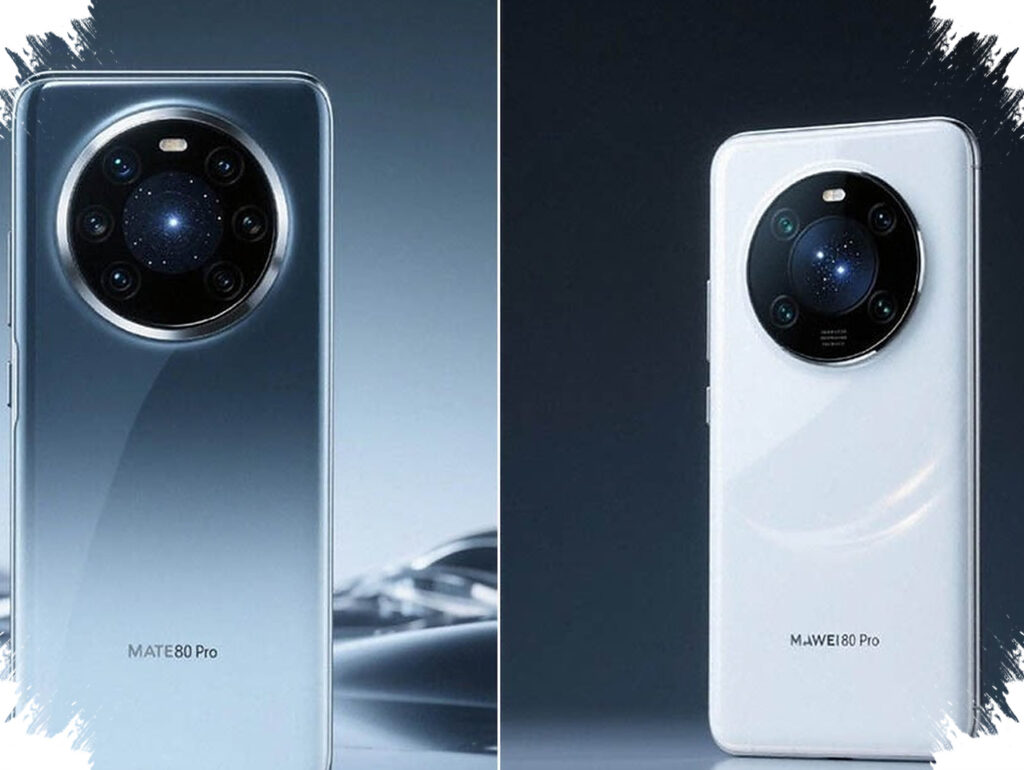
Huawei Mate 80 is drawing attention as a premium phone aimed at buyers who want more than a standard flagship experience. In Indonesia, its estimated price for April 2026 sits between Rp15 juta and Rp19 juta, depending on RAM and storage variants.
That positioning immediately places the device in the high-end segment, where expectations are set by Samsung and Apple-level competition. At that level, Huawei Mate 80 is not being presented as a mass-market option, but as a phone built around standout camera hardware, a premium display, and a battery package that tries to justify the price.
A price tag that signals flagship status
The Rp15 juta to Rp19 juta range makes Huawei Mate 80 part of a category where memory configuration matters a great deal. Larger RAM and storage options are expected to command higher prices, which is common for flagship devices.
That approach also reinforces the message behind the product itself. Huawei is not selling Mate 80 merely as a stylish gadget, but as a complete premium package for users who expect advanced features across camera, display, performance, and charging.
Camera remains the main attraction
The strongest reason the Huawei Mate 80 has entered the conversation is its camera system. Huawei continues to maintain its reputation as a smartphone brand closely associated with imaging innovation, and the Mate 80 is designed to carry that identity forward.
Its main camera uses a new sensor supported by advanced AI. The combination is intended to produce detailed images across different lighting conditions, including low-light situations.
The periscope zoom feature is another important part of the appeal. Huawei is said to have refined this technology further so long-distance shots stay sharp and more practical for mobile photography needs.
Design and display support the premium feel
The hardware story is not limited to the camera. Huawei Mate 80 arrives with an elegant build that combines glass and a metal frame, giving it a look that matches its premium pricing.
On the front, the phone uses a large OLED display with a high refresh rate. This type of panel is expected to deliver smoother motion and sharper visuals, whether the user is watching videos or playing games.
The screen also supports the overall camera experience. Photos and videos are easier to review on a display that can present color and detail well, which makes the viewing side of the phone part of the product’s value rather than just an accessory feature.
Performance and battery aim to complete the package
Huawei Mate 80 is powered by the latest Huawei chipset, which is described as both fast and more power efficient. With a large RAM configuration, the phone is expected to handle multitasking, app switching, and demanding daily use more smoothly.
The device also runs the latest operating system, which brings several smart features to support everyday use. For buyers who value practical premium features, that combination adds to the phone’s overall appeal.
Battery life is another area where Huawei appears to want an advantage. A large battery is included for users with active mobile routines, and fast charging is part of the package to reduce waiting time.
Wireless charging and reverse charging are also present. In the flagship space, those additions matter because they help round out the experience beyond core performance alone.
The real question is whether it fits the user’s needs
At Rp15 juta to Rp19 juta, Huawei Mate 80 is priced for users who are willing to pay for a specific kind of premium experience. It may make sense for buyers who place the highest priority on photography, elegant design, strong performance, and a full-featured battery setup.
There is still one important consideration that cannot be ignored. Huawei’s app ecosystem remains different from the standard Android experience, and that can influence the buying decision for some users.
Huawei continues to improve AppGallery and third-party app support, which shows that the software experience is still evolving. Even so, potential buyers still need to check whether the available ecosystem matches their daily application needs before choosing Huawei Mate 80 as their main device.