The appeal of a gaming laptop usually starts with raw power. Fast processors, premium displays, large batteries, and high-end GPUs make these machines attractive for demanding games and heavy creative work.
That performance, however, comes with trade-offs that are easy to miss until daily use begins. Noise, battery life, portability, price, and power demand often shape the real experience far more than the specifications on the box.
Power demands that affect everyday use
One of the first compromises appears in electricity use. According to Croma Unboxed and Anker, gaming laptops can require around 150 to 350 watts, while conventional laptops generally use only 30 to 70 watts and can go as low as 5 watts.
That difference affects more than a utility bill. It also influences charging needs, and in homes with limited power capacity, a gaming laptop may not charge optimally. For buyers, that makes electrical readiness part of the purchase decision, not just the laptop itself.
Battery life that rarely lasts through a full day
Battery endurance is another weak point that many users notice quickly. Compared with regular laptops that can last around 5 to 22 hours, gaming laptops typically run for only about 2 to 4 hours without being plugged in.
Performance also tends to drop when the device is not connected to power, which makes mobile use less consistent. PC International suggests several ways to stretch battery life, including adjusting power settings, lowering screen brightness, updating drivers, reducing game settings, and using power-saving mode when not gaming.
Even with those adjustments, the basic pattern remains the same. Gaming laptops are built to deliver speed, and that design choice usually means higher energy consumption.
Noise that becomes part of the experience
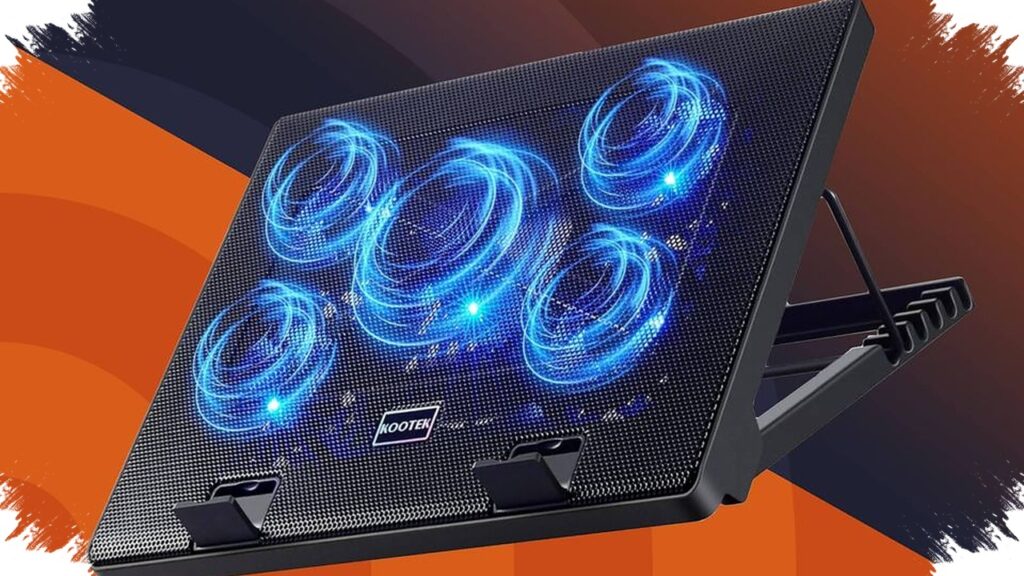
Heat management is another reason gaming laptops behave differently from standard models. Their cooling systems must work harder to keep components stable, so fans are often larger, more numerous, and faster-spinning than those in ordinary laptops.
The result is noticeable noise, especially during long gaming sessions or periods of heavier workload. Jarrods Tech has pointed out that models such as ASUS ROG Flow, HP Victus, TUF Gaming, Razer Blade, and Lenovo LOQ are among the loudest in fan noise.
This can be a real drawback in quiet rooms. Even when the laptop is used for lighter tasks like watching videos or finishing assignments, fan noise may still appear once the system senses rising temperature.
Weight that limits portability
A gaming laptop is also unlikely to be the best choice for users who move around often. According to Intel’s explanation, these devices commonly weigh between 2 and 3.6 kilograms, which is far heavier than conventional laptops that average around 1 kilogram.
Ultra-thin laptops can weigh under 1 kilogram, making them far easier to carry. Gaming models are heavier because they combine a larger screen, a high-capacity battery, more complex internal components, and sturdier body materials.
That extra weight quickly matters in daily life. Bags become heavier, commuting feels less practical, and the device is less convenient for people who switch locations frequently.
Higher prices that come with higher hardware demands
Cost is another barrier that cannot be ignored. Regular laptops can be found starting from Rp4 jutaan, with lower-tier models in the Rp4 juta–6 jutaan range, mid-range options at Rp7 juta–15 jutaan, and premium models above Rp15 jutaan.
Gaming laptops begin higher, with entry-level models such as Axioo Pongo starting at Rp9 jutaan. For international brands like ASUS ROG or Lenovo LOQ, prices generally sit in the Rp10 juta–30 jutaan range, while top-tier models can reach Rp80 jutaan.
That pricing reflects the hardware inside, but it also means the device is not aimed at every buyer. A gaming laptop may be the right answer for performance-heavy work, yet it asks for a larger budget from the start and higher running costs afterward.
Gaming laptops remain strong options for users who need maximum performance, but their weaknesses are part of the package. The combination of louder fans, shorter battery life, heavier bodies, higher prices, and greater power consumption makes them less suitable for anyone who values quiet operation, easy portability, and low daily operating costs.