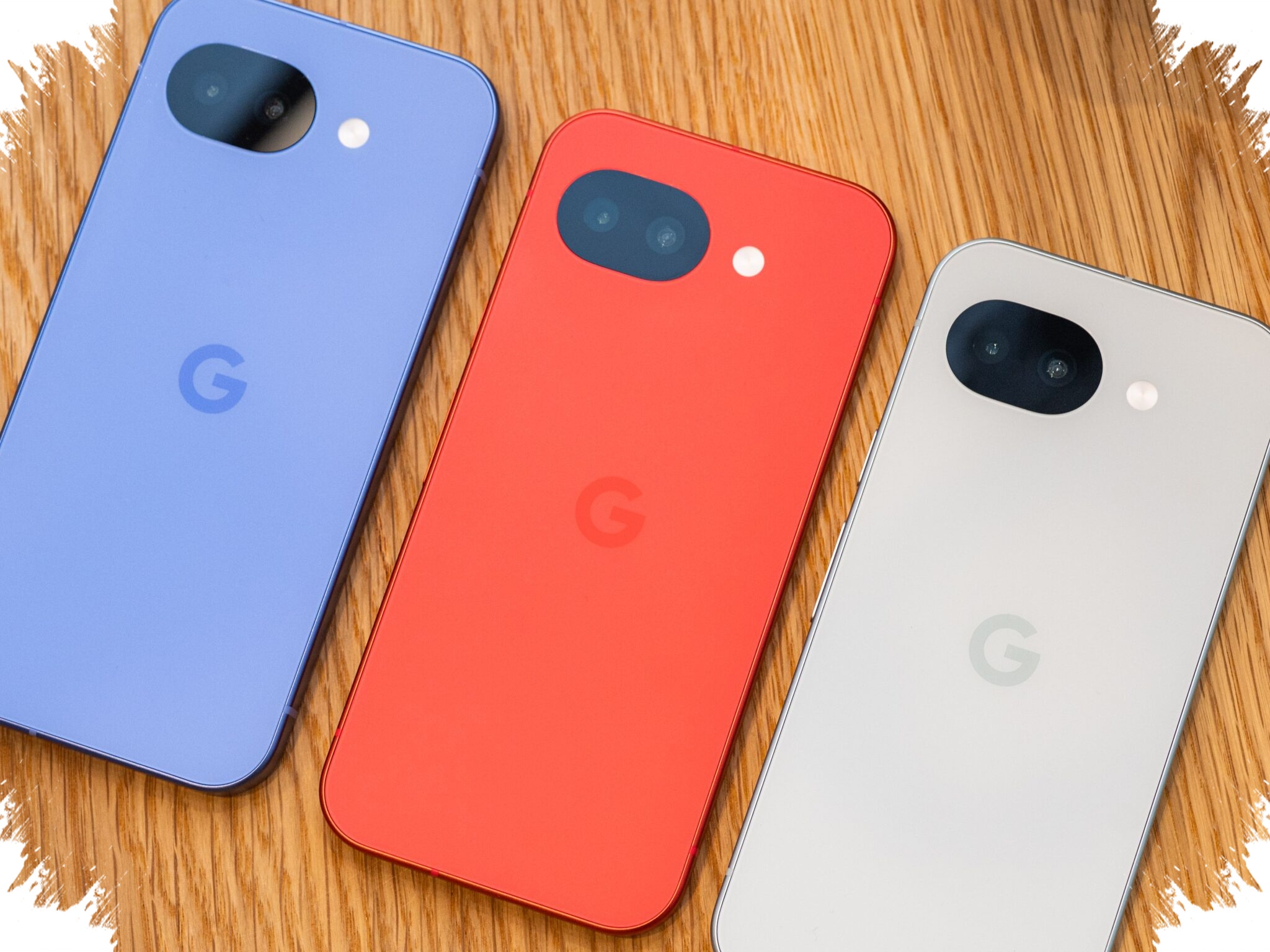
A price drop can make a phone look more appealing at first glance, but the real question is whether the device still holds up where it matters most: performance, camera quality, battery life, and long-term usability. That is why discounted models need a second look before they are treated as the best deal on the shelf.
From the current lineup, several phones still stand out because they offer a balanced package for work, entertainment, and everyday use. Some are stronger on performance, others are better for photography or durability, while one or two are especially attractive because of the feature set they still bring after the price has come down.
Why a lower price is not always the better deal
A cheaper phone can be tempting when newer models arrive and push older devices down in price. Even so, a discount does not automatically make a phone worth buying if the device has already fallen behind in important areas.
That is why the most relevant question is not just how much the price has dropped, but what the phone still delivers for daily use. As one technology reviewer in the reference noted, “Not all cheap phones are worth it; what matters is the balance between price and performance.”
iPhone 15 remains one of the safer choices
The iPhone 15 still attracts attention because the A16 Bionic is described as remaining fast for demanding tasks. Its camera performance is also said to stay stable in different conditions, while Dynamic Island adds a practical extra layer to the user experience.
The main limitation is battery capacity, which is relatively small. For users with heavy daily activity, power management becomes an important consideration if the phone is expected to last comfortably through the day.
Samsung Galaxy S25 FE focuses on long-term value
Among the discounted models, the Samsung Galaxy S25 FE stands out for its OS update support of up to 7 years. That alone gives it strong appeal for buyers who want a device that stays relevant for a long time.
It also brings a premium design, IP68 certification, and the stable Exynos 2400 chip. The trade-off is the camera sector, which is said not to offer major changes compared with the previous generation, so the model is more suitable for those who prioritize longevity and a flagship-like experience.
Vivo V50 leans toward camera and outdoor use
The Vivo V50 is positioned as a strong option for users who care about imaging. Its 4K video stabilization is one of the main reasons it remains relevant, especially for those who often record content on the move.
Support from a 6000 mAh battery and IP68/IP69 rating adds more confidence for active users. The drawback is its chipset, which is not the fastest in its class, so the device fits better for people who value photo and video results over raw processing power.
Motorola H60 Pro offers a capable all-round package
Motorola H60 Pro comes with 12 GB of RAM and the Dimensity 8350 chipset, a combination that is described as responsive for daily use and multitasking. The inclusion of a Sony camera sensor and AI features also helps the phone look complete for its category.
The main issue is not hardware, but brand awareness, which is still weaker than some larger competitors. Even so, it remains a practical choice for buyers who want one device for both work and entertainment without making brand reputation the top priority.
Infinix Note 60 Pro is the most feature-packed option
Infinix Note 60 Pro appears especially competitive in the mid-range segment. Its AMOLED 144Hz display, Snapdragon 7s Gen 4 with high scores, 6500 mAh battery, and wireless charging make its specification sheet feel unusually complete.
The camera is the part that has not yet become the strongest selling point. Even so, for users looking for a phone with many features at a more reasonable price, this model looks especially appealing compared with other options on the list.
How to judge a discounted phone before buying
A lower price should always be checked against the main use case. For gaming and high performance, chipset and RAM matter most, while photography buyers should focus more on camera quality and stabilization.
For everyday use, battery capacity and power efficiency are just as important as the sticker price. With so many discounted phones now looking attractive on paper, matching the device to actual needs remains the best way to avoid a poor purchase.
-

-
-

-