


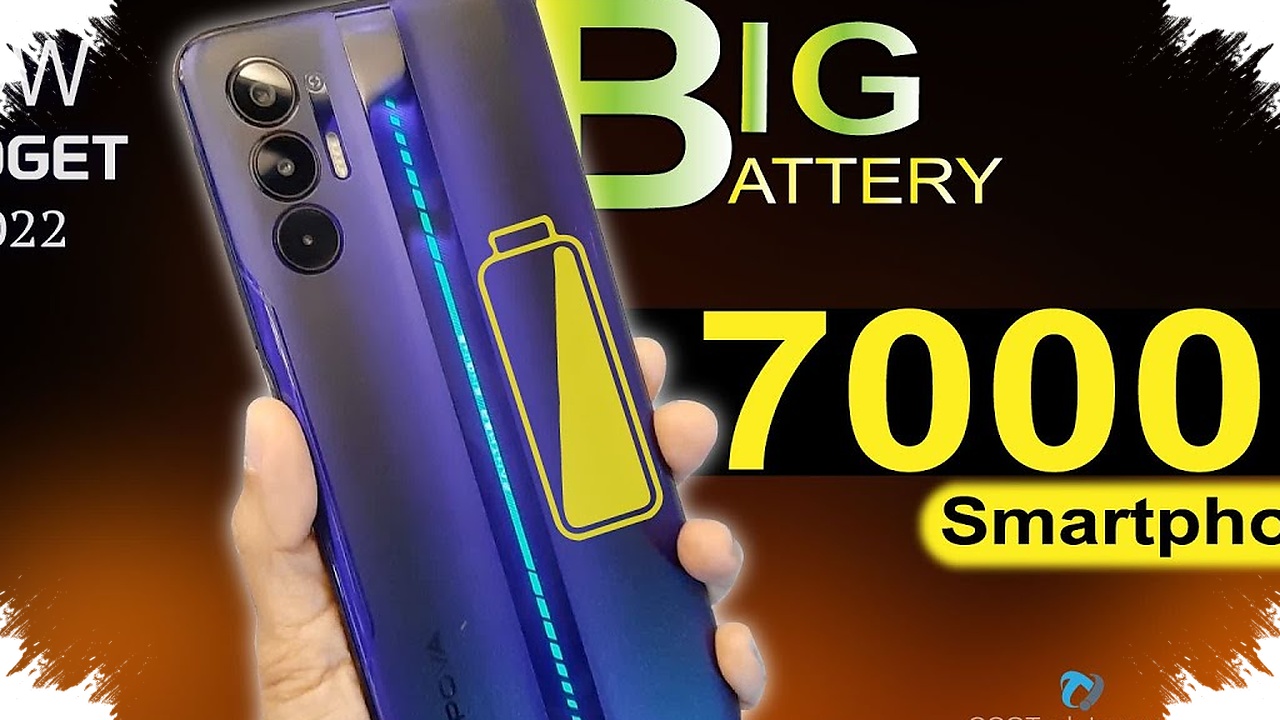
The entry-level smartphone segment is becoming more competitive, especially in the Rp1 million range. Devices in this class are no longer limited to basic specs, since several models now offer a 120Hz display, a Sony camera sensor, a 7000 mAh battery, and even long software support.
That shift gives buyers more room to match a phone with their actual needs. Some models focus on screen quality and camera output, while others prioritize battery life, durability, or a more polished appearance.
A stronger display and camera combination
One of the most notable options in this price tier is Advan X1. The device stands out because it brings a Full HD Plus display, which is still relatively uncommon in this segment and helps videos, reading, and social media browsing look sharper.
Advan X1 also relies on the Helio G100 chipset for daily use. The chip is described as capable enough for multitasking and light gaming, including Mobile Legends, which keeps the phone relevant for users who want basic entertainment without moving into a higher price bracket.
Its camera setup adds another point of interest. The main 64 MP camera uses a Sony IMX 782 sensor, a detail aimed at improving photo clarity and making the device more attractive for users who care about imaging.
Battery life becomes a major selling point
For users who value endurance above all else, Moto G06 Power offers a very different appeal. Its 7000 mAh battery is positioned as a key advantage and is said to last up to two days under normal use.
That capacity is especially meaningful in a market where many low-cost phones still rely on standard battery sizes. For people who spend a lot of time outside the home, longer battery life can reduce how often the phone needs to be charged and make day-to-day use more convenient.
Software support and security also matter
Samsung Galaxy A07 takes a longer-term approach by emphasizing software support and device security. One of its main advantages is OS update support for up to 6 years, alongside Samsung Knox as part of Samsung’s familiar security package.
The phone also uses Helio G99 and UFS memory, which are described as faster than conventional eMMC storage. That combination is meant to improve responsiveness in everyday use, especially when switching between apps or repeating light tasks throughout the day.
Design and communication features add variety
Infinix Smart 20 and Tecno Spark Go 3 are included for a different reason: both are presented with a more elegant look. For buyers who still want an affordable device but prefer a design that feels less plain, this visual touch can make a difference.
Both models also carry a unique nearby voice calling feature that works without internet. In certain environments, that function can help users communicate quickly when mobile data is not the main option.
Why this price segment keeps expanding
The Rp1 million to Rp1.5 million range is no longer defined by very limited hardware alone. Manufacturers are increasingly bringing features that were once reserved for midrange phones, including better screens, larger batteries, and extra functions that support daily use.
That development makes the market more flexible for consumers. Buyers who want a better camera can look at Advan X1, while those who need stronger battery life can consider Moto G06 Power with its 7000 mAh capacity.
This wider selection shows how affordable phones are becoming more relevant for entertainment, communication, and light productivity, giving users more practical choices without forcing them to move into a higher price class.