Apple appears to be preparing a low-cost MacBook Neo that could open the Mac lineup to users coming from Windows and Chromebook devices. The price is said to sit around Rp10 jutaan, but that lower entry point comes with clear compromises across key features.
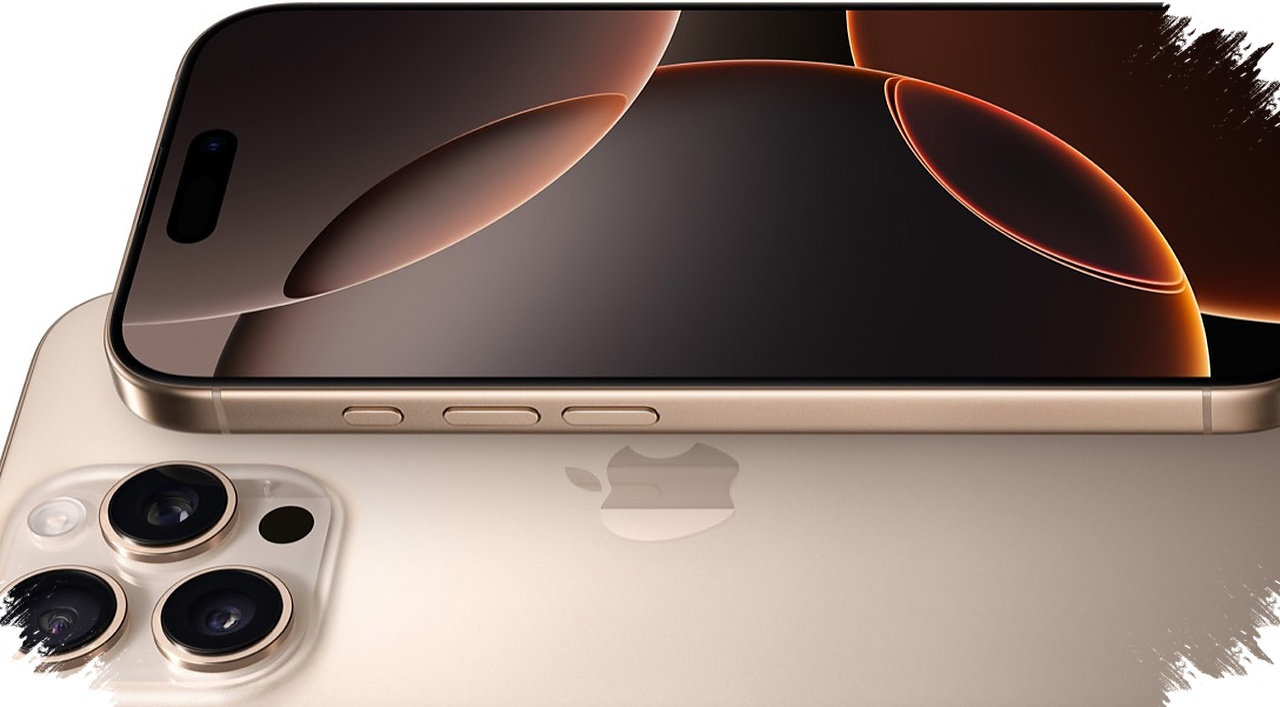
The most notable shift is inside the device itself. Instead of using an M-series chip like the MacBook Air or MacBook Pro, the MacBook Neo is said to rely on the A18 Pro, the same chip used in the iPhone 16 Pro.
That choice places the model in a very different position from the rest of Apple’s laptop range. For everyday activity such as web browsing, document editing, and administrative work, the A18 Pro should still feel relevant, but heavier workloads will likely expose its limits sooner.
A MacBook built for lighter workloads
The decision to use the A18 Pro also signals what Apple expects this laptop to do. Tasks such as 4K video rendering or demanding graphics work are not the main focus here, and users who need that level of performance will likely need to look elsewhere.
This makes the MacBook Neo more suitable as an entry point into macOS rather than a full replacement for Apple’s more capable laptops. The hardware direction suggests a product aimed at practical everyday use, not intensive creative production.
Display quality remains, but features are reduced
On the front, the MacBook Neo is said to include a 13-inch Liquid Retina display with 500 nits of brightness. That puts it in a category that should still feel comfortable for routine use, whether the device is used indoors or while moving between locations.
Still, Apple is not bringing over several display-related conveniences. True Tone is not included, and automatic brightness sensing is also left out. Color support is limited to sRGB, which means users who need more precise color handling may need to factor in that limitation.
Memory and storage stay modest
The device is also said to come with 8GB of RAM that cannot be upgraded. With memory bandwidth at 60GB/s, the laptop appears tuned for light to moderate workloads rather than heavy multitasking.
That specification choice reinforces the broader strategy behind the model. To keep the price lower, Apple seems willing to make the limits more visible in areas that matter most to power users.
Connectivity is simplified to control costs
Apple is also trimming the port setup. MagSafe is absent, and charging is handled through USB-C instead, with two available ports.
However, those ports are not equal in capability. Only one supports USB 3 speeds of 10Gb/s, while the other remains on USB 2, which is much slower. The keyboard also loses backlighting, removing another feature often associated with the MacBook experience.
Some extras depend on the configuration
Other functions are also split by model. The trackpad remains a standard version without Force Touch, and Touch ID is only available on the 512GB storage model.
The 256GB version does not get that biometric feature, making storage capacity a more important decision than simple storage space alone. This kind of selective limitation shows how carefully Apple is arranging the feature list to protect the low price point.
Still a MacBook in important ways
Even with the cutbacks, the MacBook Neo keeps some of the traits that may attract buyers. The aluminum body is said to weigh 1.23 kg, which should help portability for users who move around often.
Battery life is another strong point, with a claimed endurance of up to 16 hours. For meetings and media use, the laptop also includes a 1080p webcam and Dolby Atmos speakers that are said to remain clear.
Taken together, the MacBook Neo looks aimed at students, university users, and office workers who need a light, stable laptop for daily tasks. For creative professionals or anyone focused on editing, design, or other demanding work, the MacBook Air M2 or M3 still appears more suitable.
-

-

-

-