


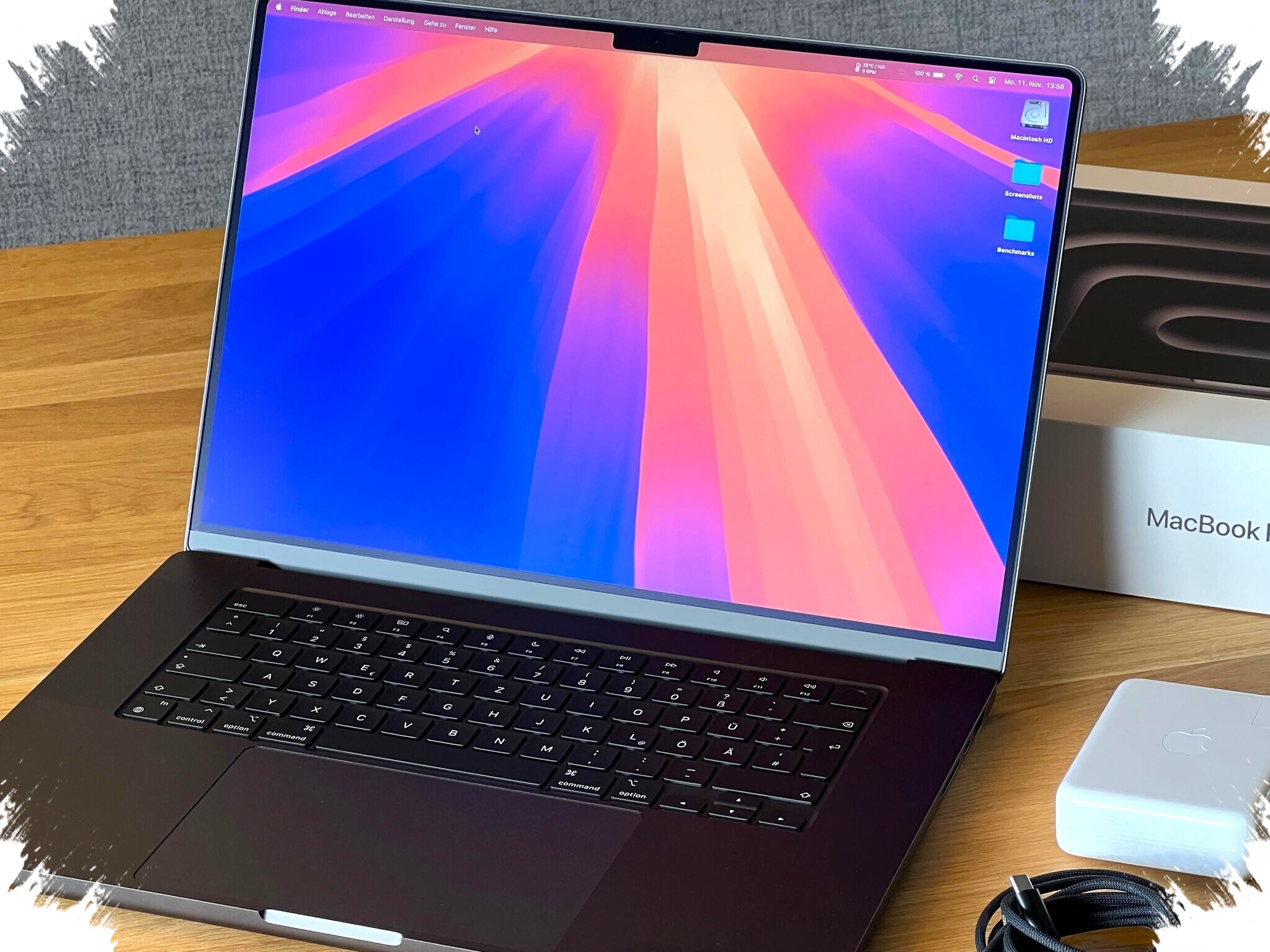
Apple’s next MacBook Pro could be heading toward one of its most significant updates in years, based on recent industry leaks surrounding the M6 model. The rumored changes go beyond a routine chip refresh and point to a machine that may look and behave very differently from the current version.
Reports suggest Apple is considering a thinner body, a redesigned chassis, OLED display technology, and even touchscreen support. None of those details has been confirmed by Apple, but the combination has already made the MacBook Pro M6 one of the most closely watched future products in the Mac lineup.
A redesign that could change the MacBook Pro’s identity
Among the leaked details, the possibility of a full redesign stands out most clearly. The new MacBook Pro is said to be thinner and lighter than the models available now, with Apple reportedly aiming to improve portability without weakening thermal performance.
That balance matters because the MacBook Pro is still expected to serve as a high-performance system for demanding workloads. Industry reports indicate that cooling will remain advanced so the device can handle long sessions of video editing, coding, and other intensive tasks.
The M6 chip may drive the next performance jump
At the core of the rumored machine is the M6 chip family, which is expected to use a more advanced 2nm manufacturing process. If accurate, that shift would likely improve speed, power efficiency, and battery life compared with the current generation.
The performance gains could be especially noticeable in heavier workflows. 3D rendering, high-resolution video editing, and AI development are among the tasks expected to benefit most, while machine learning capabilities may also see a boost.
OLED and touchscreen support could redefine the display experience
The display may be another major turning point. Leaks point to OLED panel adoption for the MacBook Pro line, which would mark a first for the series and would bring deeper blacks, stronger contrast, and improved color accuracy.
Apple is also said to be exploring touchscreen support. If it happens, the feature would not replace the keyboard or trackpad, but would instead act as an additional input option. That approach could move macOS closer to a touch-friendly experience and narrow the gap between the MacBook and iPad product lines.
Launch timing remains uncertain
Even with so many rumors circulating, the release schedule is still only an estimate. Based on the information currently available, the M6-powered MacBook Pro is expected to arrive in late 2026 or early 2027, though Apple has not announced anything officially.
Analysts believe the company could stick to its usual launch pattern, possibly unveiling the device at a major Mac event or alongside other products using M-series chips. The timing may still shift depending on chip production and supply chain readiness, which are seen as the biggest variables.
Pricing is still expected to stay in premium territory
There is no official price yet, but early estimates place the MacBook Pro M6 firmly in the premium category. Pricing is expected to start around £1,999 to £2,499 for the base model, with higher configurations potentially going beyond that range.
Any increase would fit the scale of the rumored upgrades, especially if Apple introduces OLED and touchscreen support. Storage capacity and performance tier are also likely to remain key factors in determining the final price.
Other features Apple may be exploring
Some reports also suggest Apple is testing interface ideas borrowed from the broader iPhone and iPad ecosystem. One possibility is a Dynamic Island-style element for Mac, which could be used for alerts, background activity updates, and system notifications.
There are also claims that Apple is considering cellular connectivity for future Macs, possibly through its own modem technology. If those features make it into the final product, the MacBook Pro M6 could become one of the clearest examples yet of Apple pushing the Mac toward a more unified device ecosystem.