Nvidia’s Feynman GPU platform is now being linked to a more distributed manufacturing strategy, with Intel foundry expected to handle only selected parts of the design while TSMC remains responsible for the core chip. The report, cited by Notebookcheck from DigiTimes, suggests that Nvidia is not shifting away from TSMC, but instead is adding Intel in a limited role.
That distinction matters because the main GPU die is still said to depend on TSMC’s leading-edge process technology. In other words, the most critical silicon for Feynman remains tied to the Taiwanese foundry, while Intel appears to enter only where the design can be split apart without touching the heart of the graphics processor.
Intel’s role appears narrowly defined
According to the report, Nvidia may use Intel 18A or 14A for the I/O die in Feynman. That component handles connectivity and interface functions, not the central graphics workload, which makes it a more practical place to involve a second foundry.
Notebookcheck also emphasized that the cooperation space is “far more limited,” a phrase that helps frame Intel’s position in the project. Rather than replacing TSMC, Intel is described as filling a supporting slot that sits around the core compute silicon.
This approach points to a selective supply-chain strategy. Nvidia can diversify part of production without moving the main GPU engine away from a partner that already holds the largest share of the project.
TSMC is still tied to the main die
The same report says the main die for Feynman is likely to stay with TSMC, possibly using a custom N3 or N2 variant. That keeps TSMC in the central position for Nvidia’s high-performance GPU manufacturing.
A reported 75-to-25 split between TSMC and Intel further reinforces that imbalance. Most of the silicon effort would still flow through TSMC’s ecosystem, with Intel taking on a smaller portion of the overall workload.
For Nvidia, that arrangement offers flexibility without forcing a full redesign of its production base. It also allows the company to use more than one supplier while preserving the most important part of the GPU chain where it has already proven stability.
Packaging work may also be shared
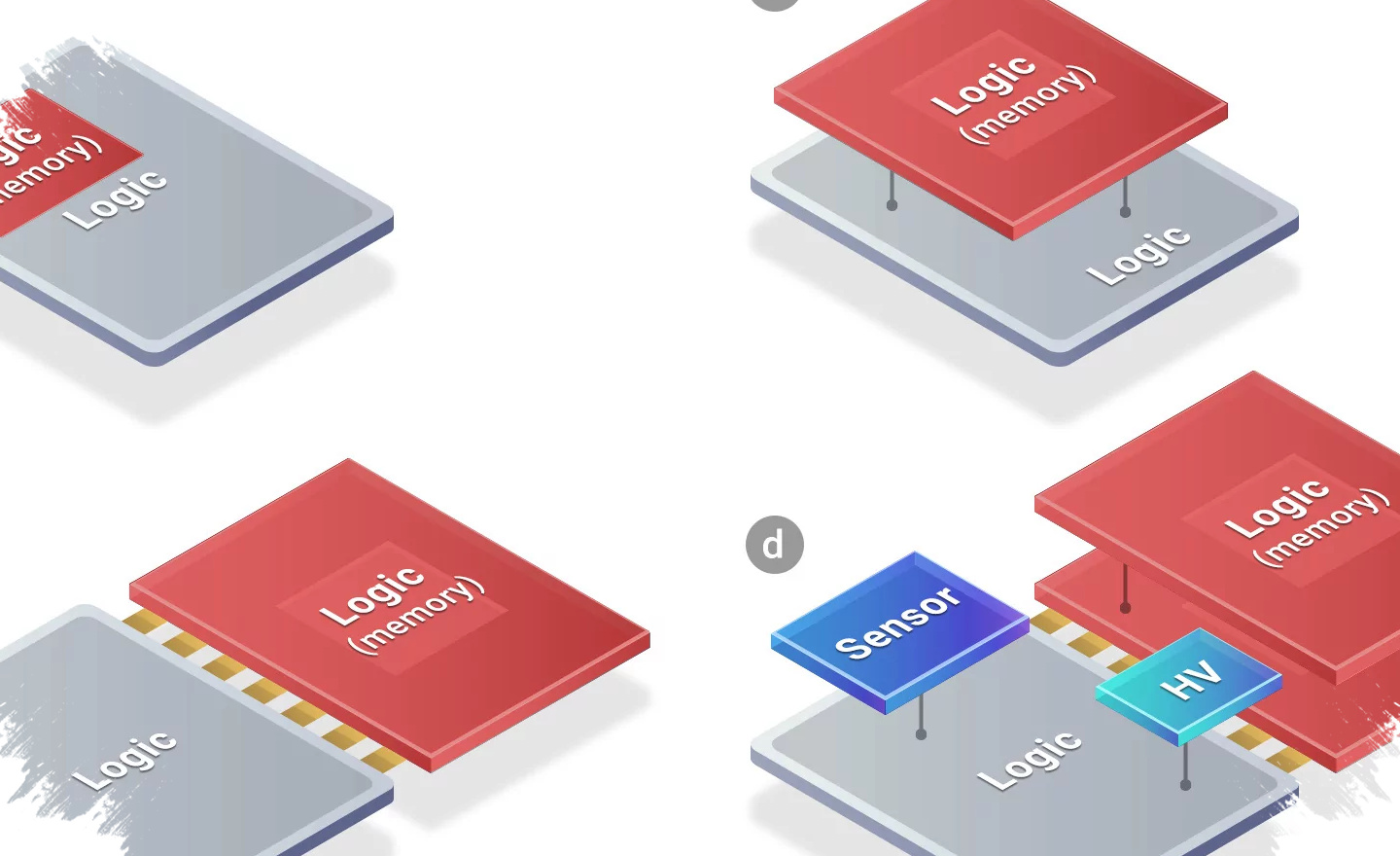
Intel’s involvement is not limited to the manufacturing of the I/O die. The report also says Nvidia may use Intel’s EMIB packaging technology for part of the chip.
EMIB, or Embedded Multi-die Interconnect Bridge, is designed to connect multiple dies efficiently inside one package. Even so, the largest packaging role for Feynman is still expected to remain with TSMC’s CoWoS.
That means Intel would act as a complement in specific areas rather than taking over the entire production flow. The result is a layered supply model in which TSMC keeps the key silicon and major packaging responsibilities, while Intel covers selected support functions.
Why 14A is getting attention
Beyond Feynman, Notebookcheck noted that 14A is viewed by some industry observers as more promising than 18A. The publication said some internal views describe 14A as “the real deal.”
That broader industry attention helps explain why Nvidia’s name continues to surface in discussions about Intel Foundry. Still, the DigiTimes report places Intel’s part in Feynman within a restricted scope, not as a full replacement for TSMC.
The same report also mentioned possible future customers such as Apple and AMD. Even so, the clearest connection discussed remains Nvidia’s limited use of Intel for its next-generation GPU project.
Rumors remain unconfirmed
The latest report does not confirm earlier speculation that some of Nvidia’s entry-level products could be built on Intel 14A. Its focus stays on Feynman, especially the I/O die and EMIB packaging.
Other rumors, including discussion around successors such as N1X, also remain unproven in this material. For now, the clearest picture is one of selective cooperation rather than a wholesale production shift.
The broader message is straightforward: Intel is beginning to appear in parts of Nvidia’s Feynman chain, but TSMC still holds the central position. That balance suggests Nvidia is building a more flexible manufacturing setup without moving away from the foundry that remains at the core of its highest-end GPU output.
Source: www.notebookcheck.net-

-

-

-