


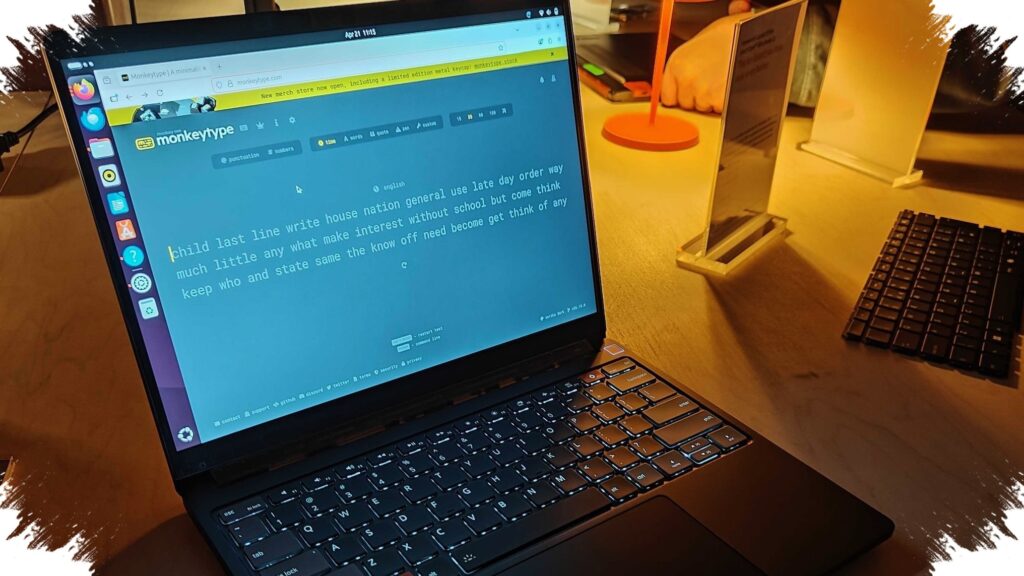
Framework’s latest sales pattern suggests that Linux no longer sits in the background as a niche option for laptop buyers. The company said its Ubuntu configurations sold faster than the Windows versions, and several Ubuntu batches disappeared within a short time after release.
That detail matters because Framework is not a typical mass-market laptop maker. Its modular approach gives buyers a clear choice at checkout: Ubuntu, Windows, or no operating system at all.
Ubuntu demand moved quickly
Framework said in a post on X that multiple Ubuntu laptop batches sold out in short order. Of the eight batches it prepared, six had already sold out before the company later noted that the eighth batch also went out of stock within hours.
The most striking part of the update was Framework’s statement that the Ubuntu configuration “sold more than the Windows one.” The company did not provide exact numbers, so the size of the gap remains unclear.
Even without a detailed breakdown, the outcome points to real demand for ready-to-use Linux laptops. In at least one segment of the market, Ubuntu appears to be outpacing the operating system that still dominates most laptop sales.
A fit for users who want more control
Framework’s hardware has always targeted a different kind of buyer from mainstream laptop brands. Its modular design allows users to replace or adjust components more freely, which naturally appeals to people who like to tinker with their devices.
That same audience may also see Linux as the more practical choice. Ubuntu offers a direct path to a laptop that already matches the user’s preferred software environment, without requiring a separate installation step after purchase.
For buyers who know they want Linux from day one, a pre-installed Ubuntu option reduces friction. It also avoids the common scenario of purchasing a Windows laptop and then reinstalling the operating system just to get the setup they wanted in the first place.
Pricing and license costs are part of the appeal
Framework has also made the cost of Windows licensing visible, listing Windows 11 at $140. For buyers who do not plan to use Microsoft’s operating system, that extra charge can become a deciding factor.
Ubuntu’s appeal is therefore not only about preference or ideology. For some customers, the idea of avoiding payment for software they do not want is enough to make the Linux option more attractive at the point of sale.
That helps explain why Framework’s offering stands out. The company gives customers a clean choice between paying for Windows, selecting Ubuntu, or buying a system without an operating system included.
Windows still dominates, but the niche is clearly real
None of this changes the broader market reality that Windows remains the leading desktop and laptop operating system. What the Framework case shows instead is that demand can look very different in a specialized product category.
Among buyers who choose modular laptops, the value of flexibility often matters as much as brand familiarity. In that setting, Ubuntu gains traction because it aligns with a more technical, hands-on style of use.
There is also another factor working in Linux’s favor: some users view Windows 11 less favorably because of reported bugs and quality-control concerns. When that perception is present, Ubuntu can look like the more sensible option for a laptop that is meant to be ready from the start.
A sign of changing buying habits
The speed at which Framework’s Ubuntu batches sold out suggests that part of the market is increasingly open to laptops that do not bundle an unwanted license fee. For those customers, a pre-installed Linux system is not a compromise but a more direct purchase.
That makes Framework’s sales pattern important beyond one product line. It shows that official Linux laptops have a clear audience, especially when the hardware itself is designed around users who value control, efficiency, and the freedom to choose the operating system they actually want.
Source: www.xda-developers.com