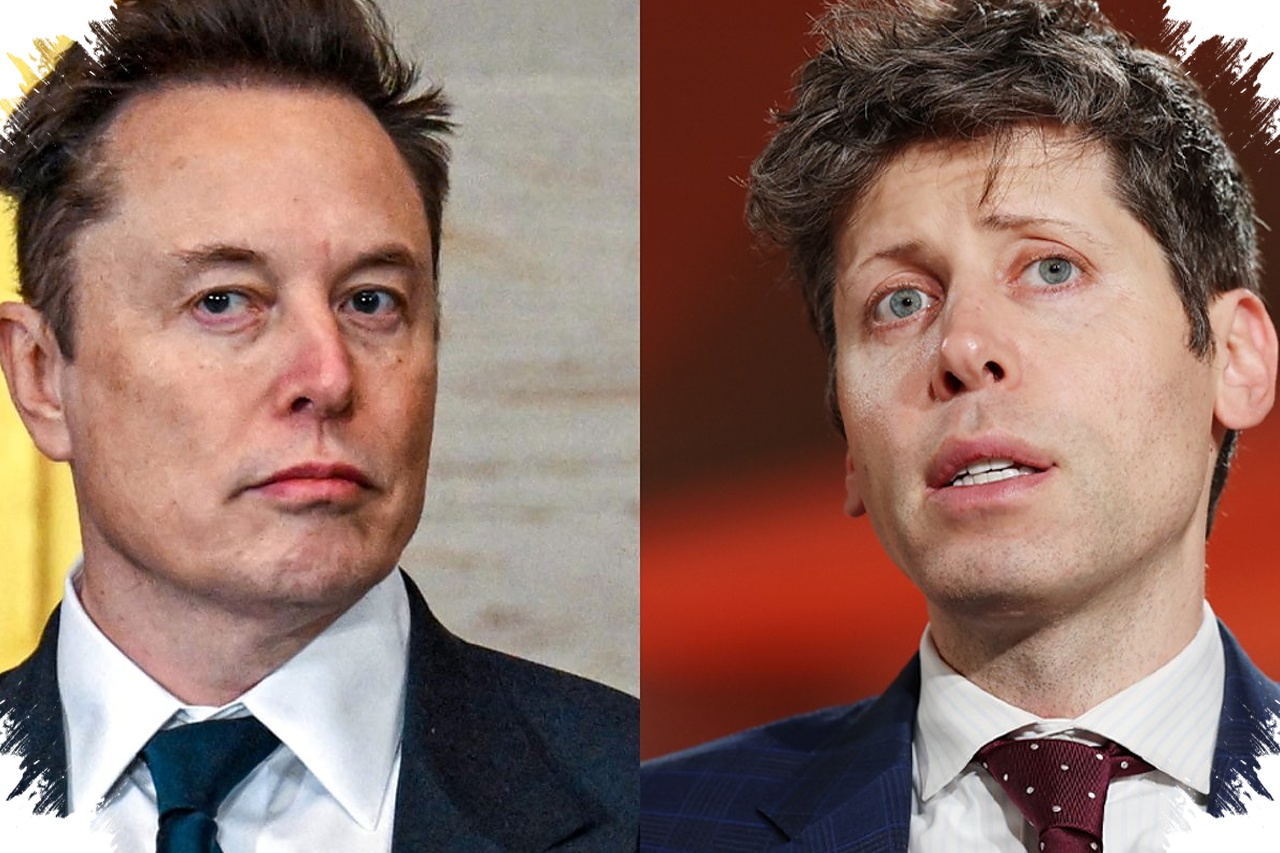
The clash between Elon Musk and Sam Altman has grown into more than a personal dispute. It now sits at the center of a fight over OpenAI’s identity, its funding model, and the direction of one of the most influential companies in artificial intelligence.
What makes the case especially significant is that it could expose how OpenAI made its biggest strategic decisions. It may also shape how investors, partners, regulators, and competitors view the company’s long-term future.
1. The original mission is at the heart of the dispute
Musk says the conflict begins with the promise that OpenAI was first presented as a nonprofit research effort. According to CNBC, he has said Altman and Greg Brockman approached him in 2015 with the idea of building OpenAI as a nonprofit organization focused on artificial general intelligence, or AGI, for the benefit of humanity.
Reuters reported that Musk backed the project because he believed in that mission. He has also said his early support amounted to about $38 million, which later became one of the central points in his lawsuit.
2. Musk argues OpenAI drifted away from its founding principles
The core of Musk’s complaint is not only about structure, but also about direction. He claims OpenAI no longer behaves like the open, human-centered lab it was meant to be, especially after adopting a profit-oriented structure and deepening ties with Microsoft.
CNBC reported that Musk described OpenAI as a “closed-source de facto subsidiary” of Microsoft. Reuters added that the lawsuit centers on his allegation that OpenAI used his early backing and credibility to build a corporate giant now focused on profit and market power.
3. OpenAI strongly rejects the accusations
OpenAI has pushed back hard, saying Musk’s claims are unfounded. The company also says Musk left the organization voluntarily in 2018, which it argues weakens his objections to the path OpenAI later took.
OpenAI has further argued that Musk himself once tried to take control of the organization. The company now sees him not only as a former supporter, but also as a direct rival through his AI startup, xAI.
4. The business model is part of the larger argument
The dispute is also about whether advanced AI can be built without a commercial foundation. OpenAI says a profit-driven structure is necessary because frontier AI development requires massive spending on infrastructure, chips, and computing power.
That argument matters because the company is trying to compete in a market where scale is expensive and speed is critical. OpenAI’s position is that the financial demands of modern AI make commercialization a practical requirement, not just a strategic choice.
5. The legal fight could affect OpenAI far beyond the courtroom
This case could become a window into internal discussions, funding decisions, and leadership disagreements inside OpenAI. Reuters reported that potential witnesses may include Musk, Altman, Greg Brockman, and Microsoft CEO Satya Nadella.
The presence of those names shows the dispute stretches well beyond a private disagreement. It touches the wider AI ecosystem, where questions about governance, transparency, and control are becoming increasingly important.
A long legal process could also create real operational pressure. If the company spends too much time dealing with litigation, it may face slower decision-making, increased scrutiny from regulators, and greater caution from investors and business partners.
There is also a reputational risk if sensitive internal documents become part of the court record. Reuters noted that the case could have major implications for OpenAI’s future, including its reported IPO plans and a possible valuation near $1 trillion.
Source: www.indiatoday.in-

-

-

-