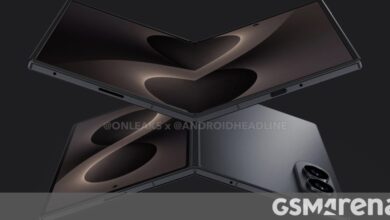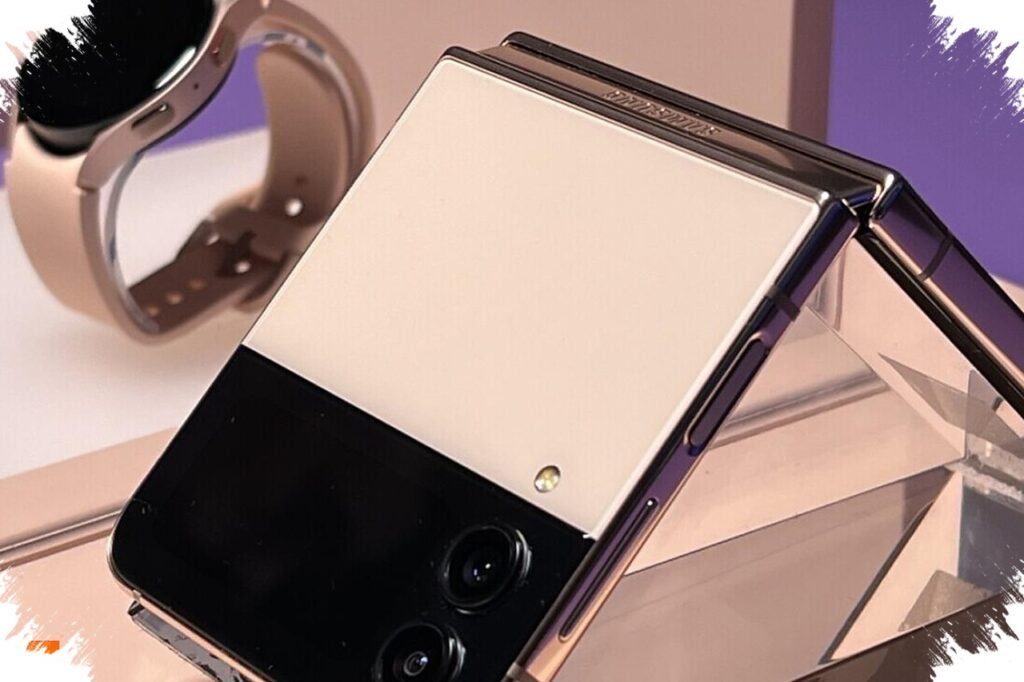
Samsung is facing a new patent dispute that could directly affect one of its most important product lines: foldable phones. Lepton Computing LLC, a US-based company, has filed a lawsuit that seeks damages, royalties, and a permanent ban on the sale of Samsung’s Galaxy foldable lineup until the case is resolved.
The dispute places Samsung’s foldable business under unusual pressure because the complaint is not limited to technical claims. It also asks the court to stop sales entirely, which would be a serious threat to a category that has become central to Samsung’s premium smartphone strategy.
What Lepton says Samsung copied
Lepton says Samsung infringed nine patents that it claims cover core functions of modern foldable devices. The disputed areas include how apps move when a screen is opened or closed, protection for the display, and hinge design.
Those elements matter because they are not minor additions. They are part of the basic engineering that allows a foldable phone to work as intended, which is why the lawsuit could have broader consequences than a typical patent fight.
Why the case could matter beyond legal damages
If a court accepts Lepton’s claims, the effect could reach far beyond compensation or licensing payments. A sales ban would strike at the commercial foundation of Samsung’s foldable lineup and could interfere with some of its most visible devices.
The stakes are high because Samsung remains one of the most prominent companies in the foldable phone market. The Galaxy Z Fold 7 and Galaxy Z Flip 7 are described in the source as among the best foldables available today, which makes the legal challenge even more significant for the company’s position in the category.
Lepton’s own narrative about foldable technology
Lepton is presenting itself not simply as a patent holder, but as an early developer in the foldable smartphone space. The company says it has been working on foldable phone concepts since 2008 and also claims it explored cooperation with Samsung in 2013.
To support that story, Lepton points to a device called “Lepton Flex,” which it describes as the first foldable smartphone prototype in the United States. That claim is part of its effort to show that the ideas behind the disputed inventions have a longer history than Samsung’s products.
The models targeted in the complaint
The lawsuit does not cover every foldable phone Samsung has ever released. According to the source, Lepton is targeting the Galaxy Z Fold 3, Galaxy Z Flip 3, and later models.
That limitation is notable because the oldest patent Lepton claims was filed only on 29 June 2021. The gap between that filing date and the launch of Samsung’s first foldable phone is likely to become one of the key issues in court, since timing often plays a major role in patent disputes.
Questions also surround Lepton’s position
Even though the lawsuit is serious, the company bringing it has drawn scrutiny of its own. Seoul Wire reported that Lepton appears to have a very small operational footprint, including minimal activity on its official website.
The same report said Lepton appears to have only two employees. That has led to speculation that it may be a Non-Practicing Entity, or NPE, a company that holds patents but does not manufacture products.
In technology disputes, NPEs are often associated with the term “patent troll,” although that label is not a legal finding. It is simply part of the broader context surrounding cases like this one.
What happens next for Samsung
The most aggressive part of the complaint is the request for a permanent injunction. If granted, Samsung could face a major obstacle in selling a product category that has become a key part of its premium portfolio.
For now, there is no ruling confirming whether Lepton’s claims will succeed. Samsung is expected to contest the case strongly, since foldables have become an important part of its product strategy and the dispute touches the very functions that define the category.