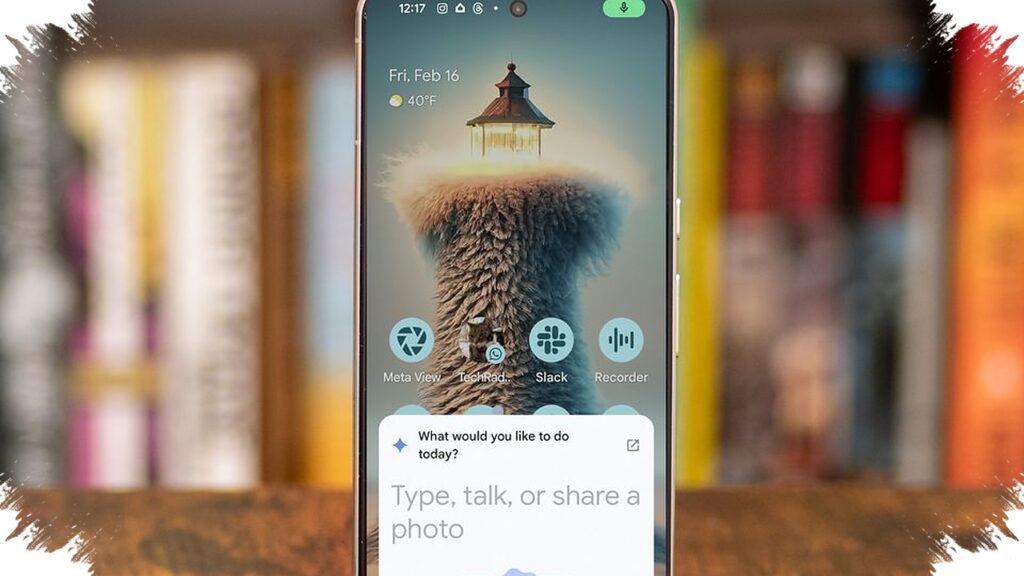
Google appears to be steering Gemini toward a more anticipatory role, one that surfaces useful information before a user even asks. A new feature called Proactive Assistance has turned up in the latest beta version of the Google app, suggesting a shift from reactive chatbot behavior to context-aware suggestions.
The idea is not entirely new. Google already introduced a similar direction through Magic Cue on Pixel phones, which was positioned as an always-on feature capable of surfacing relevant information from conversations. Proactive Assistance looks like the next step in that approach, but with a broader understanding of what is happening across the device.
The clearest signs of the feature came from an analysis of Google app beta version 17.18. According to 9to5Google, strings in the app point to “Proactive Assistance” as a tool for delivering “personalized suggestions at the right time.” Android Authority also reportedly managed to activate related settings, which helped reveal more about how the feature may work.
What makes the feature notable is the range of signals it appears ready to use. The discovered strings indicate that Proactive Assistance can pull data from Gmail, Contacts, Messages, and Calendar to generate relevant insights such as upcoming events, important dates, and locations.
It also appears able to read notifications and the content currently shown on the screen. That wider context could let Gemini react with more precision than an assistant that waits for a typed or spoken prompt.
In practical terms, the feature could make everyday tasks feel less fragmented. Gemini might, for example, pull a calendar entry and warn a user to leave for a meeting in 30 minutes while taking current traffic into account.
Another described scenario is even more hands-off. When a user arrives at an airport, the assistant could automatically surface a boarding pass without requiring a manual request.
That level of convenience comes with obvious privacy questions, and Google seems to be preparing a technical answer. The information uncovered so far suggests that all data used by Proactive Assistance will be processed entirely on-device.
The same details indicate that the data will be encrypted and stored on the phone, and that Google will not use it to train its models. That matters because the feature relies on highly sensitive sources such as calendars, messages, contacts, notifications, and on-screen content.
Local processing may also shape how Google rolls the feature out. Because the computation happens on the device, Proactive Assistance may arrive first on Pixel phones, where Google has tighter control over the hardware and AI experience.
A limited launch would also make sense as an early test before any wider Android release. At the same time, there are still major unknowns, including the final interface, the full scope of functions at launch, and how users will be able to control which data sources are allowed.
There are also signs that the feature may expand beyond Google’s own apps later on. Third-party app integration has been mentioned as a possible next phase, although it is not expected to be part of the initial release.
If that broader support arrives, the feature’s value could increase substantially. Gemini would then be able to read context from more of the services people use every day, making its suggestions more timely and more useful.
With Google I/O 2026 approaching in the coming weeks, the event could become the right stage for Google to explain how far this proactive direction will go. For now, the clearest signal is that Gemini is being shaped into an assistant that may act before a user asks.