


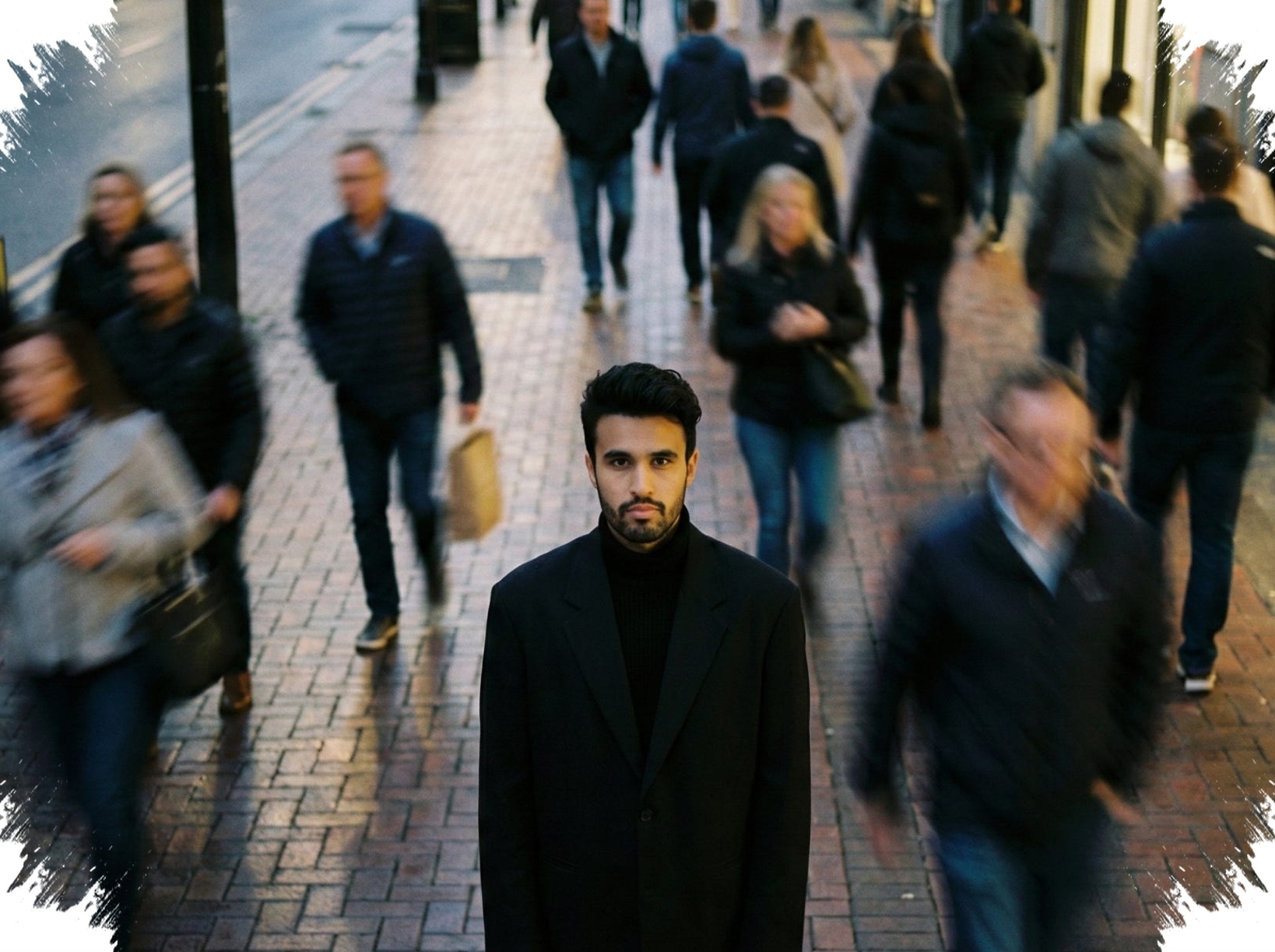
Creating cinematic photos of empty streets with Gemini AI is not only about placing a subject in a wide space. The strongest results come from the way light, shadow, expression, and camera angle are arranged to turn a simple scene into something that feels like a film still.
That is why detailed prompts matter so much. When the description is too general, the image often looks flat, while a more specific prompt helps the AI capture a clearer mood and a more consistent visual direction.
Why empty streets work so well
A quiet road gives the frame room to breathe. With fewer visual elements competing for attention, the subject becomes the main focus and the mood feels more reflective, mysterious, or dramatic.
The contrast between a person and a vacant street can also create a stronger narrative. In that setting, even a simple pose may look like part of a story rather than an ordinary portrait.
What makes the result feel cinematic
Composition plays a central role in this style. A neat frame, controlled perspective, and deliberate placement of the subject help the image feel structured and intentional.
Lighting and shadow add depth, while facial expression and camera angle help shape the emotion. When those elements work together, the scene feels more alive than a standard photo.
Five prompt directions that can be used
One approach places the subject standing casually and facing to the side while looking down a long empty road. A sunset atmosphere, soft orange reflections on the asphalt, long shadows, and thin fog in the distance can strengthen the dramatic tone.
Another style uses a slow walk down the middle of an empty street with the head slightly lowered. Streetlights at night, reflections on wet pavement, symmetrical framing, and subtle grain can give the image the feel of a classic film scene.
A third direction focuses on a seated pose at the edge of the empty road while looking straight into the camera. High-contrast light from one side, sharp shadows, blue and gray tones, and a faint building backdrop can make the mood colder and more intense.
How the framing can change the mood
The fourth prompt idea shows the subject standing with their back to the camera in the center of a long empty street. Soft morning light, thick fog, and leading lines in the composition help create a sense of depth and distance.
A fifth option has the subject crossing the road while glancing back over the shoulder. Faint vehicle light, light motion blur around the steps, thin smoke in the air, and a mix of warm and dark color tones can make the frame feel more emotional.
Why realism still matters
Even in a stylized cinematic look, realism remains important. Skin detail, clothing texture, body proportions, and small light reflections in the eyes all help prevent the image from looking artificial.
The subject’s gaze also needs to feel alive. When the expression is too empty, the picture loses part of its emotional pull and the scene becomes less convincing.
Building stronger results with Gemini AI
A good prompt usually combines emotion, composition, and lighting in one clear direction. That approach makes it easier for AI to produce an image that feels natural, balanced, and visually coherent.
Empty streets can support many atmospheres, including night, rain, and fog. When those elements are described clearly from the start, the result is more likely to capture the cinematic feeling that makes this visual style stand out.