


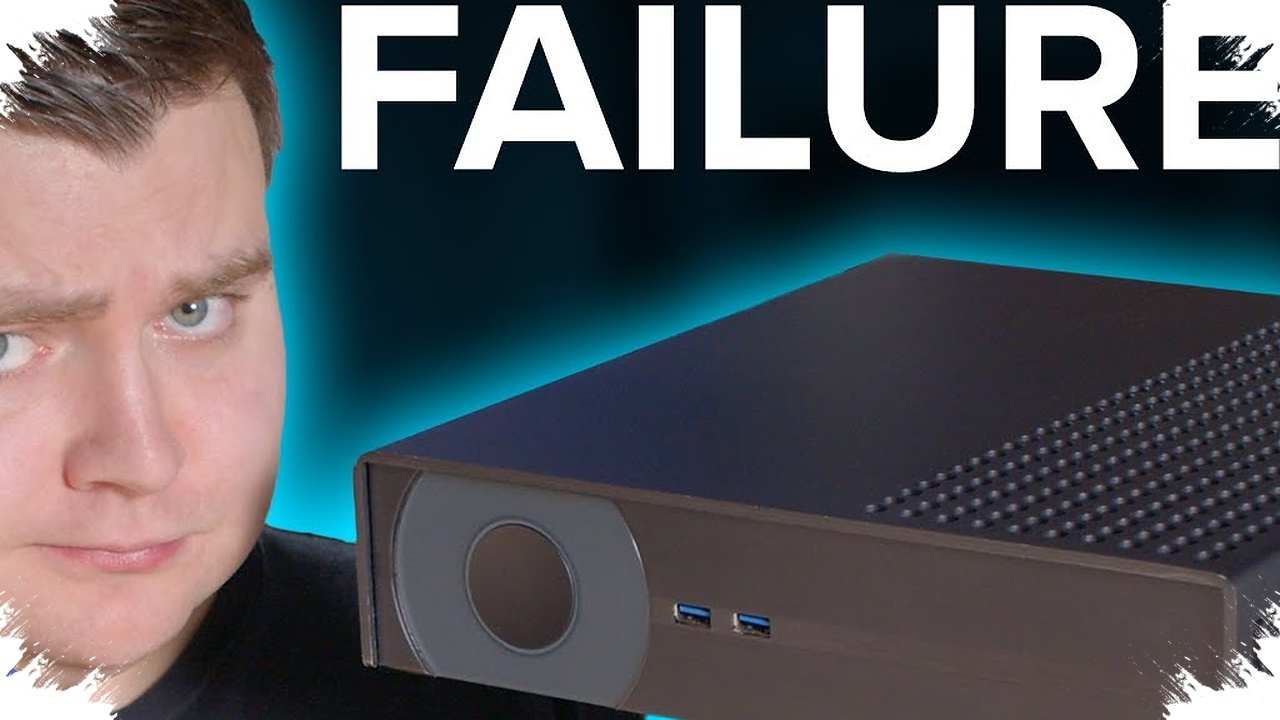
Valve’s next Steam Machine is drawing attention for a reason that goes beyond hardware performance. The most striking part of the discussion is the possibility that Valve may sell it at a loss at first in order to keep the price attractive for gamers caught between consoles and custom-built PCs.
That approach points to how sensitive the launch price could be. Current talk places the device in the $700 to $800 range, a level that is hard to ignore in a market where buyers judge gaming hardware not only by power, but also by convenience and immediate value.
Price pressure is shaping the strategy
The Steam Machine is being positioned as a bridge between console simplicity and PC flexibility. For Valve, that means the device has to feel reasonable to players who want strong performance without building a system themselves.
The challenge is that component costs are not working in Valve’s favor. Higher prices for parts, including the impact of the global RAM shortage, are narrowing the company’s room to set a lower retail price.
Global shipping issues add another layer of risk. They can raise costs further and also affect market perception if supply or delivery times do not meet expectations.
Why a loss-making launch now makes sense
Deck Ready has argued that the combination of component pressure and supply chain disruption makes an early loss-making sale understandable. In that view, Valve must choose between keeping the price competitive and passing every added cost directly to buyers.
That calculation matters because Steam Machine is not being treated as a simple piece of hardware. Valve may be willing to absorb early losses if the device can help bring more users into Steam’s ecosystem.
The idea is straightforward: a lower entry price could attract gamers who are undecided between a console and a PC build. Once those users are inside Steam, Valve has more room to benefit from the larger platform.
A device built around Steam OS and easier use
Steam Machine is being developed with tight integration with Steam OS. The goal is to deliver a more consistent experience whether the device sits in a living room setup or on a desktop.
That focus also reflects where Steam OS has stood so far. The software has improved, but it still needs refinement in some areas, and the new hardware is intended to close that gap through tighter hardware and software coordination.
Valve is also expected to improve controller-related functions, including a better wake-up feature. Alongside that, the device is said to include more standardized game presets, which should make performance more consistent across more titles.
More than just a living room box
Valve appears to want Steam Machine to work in more than one setting. Optimizing it for both TV use and desktop use gives the product a wider role than a typical living room gaming machine.
There is also an indication that it could serve as a productivity tool as well. Gaming remains the main focus, but that broader use case could help expand its audience if the device lands well.
That wider appeal still depends on a difficult balance. Buyers will expect strong performance, a fair price, stable software, and dependable availability all at once.
A big bet on Steam’s ecosystem
Steam OS has come a long way, but it still needs some finishing touches to reach its best form. Steam Machine is meant to tighten the relationship between operating system and hardware so the experience feels smoother from the start.
If that integration works, the device could make the transition between couch gaming and desk gaming feel far less awkward. Its appeal would then come not only from game performance, but also from a simpler and less technical user experience.
Even so, a price that lands too high could undercut that advantage. That is why the idea of selling Steam Machine at a loss early on has become central to the discussion, especially if Valve wants faster adoption and a larger user base.
For now, the key question is how Valve will balance pricing, performance, and availability. In a competitive gaming hardware market, that decision could determine whether Steam Machine becomes a notable experiment or a product that finds a lasting place of its own.