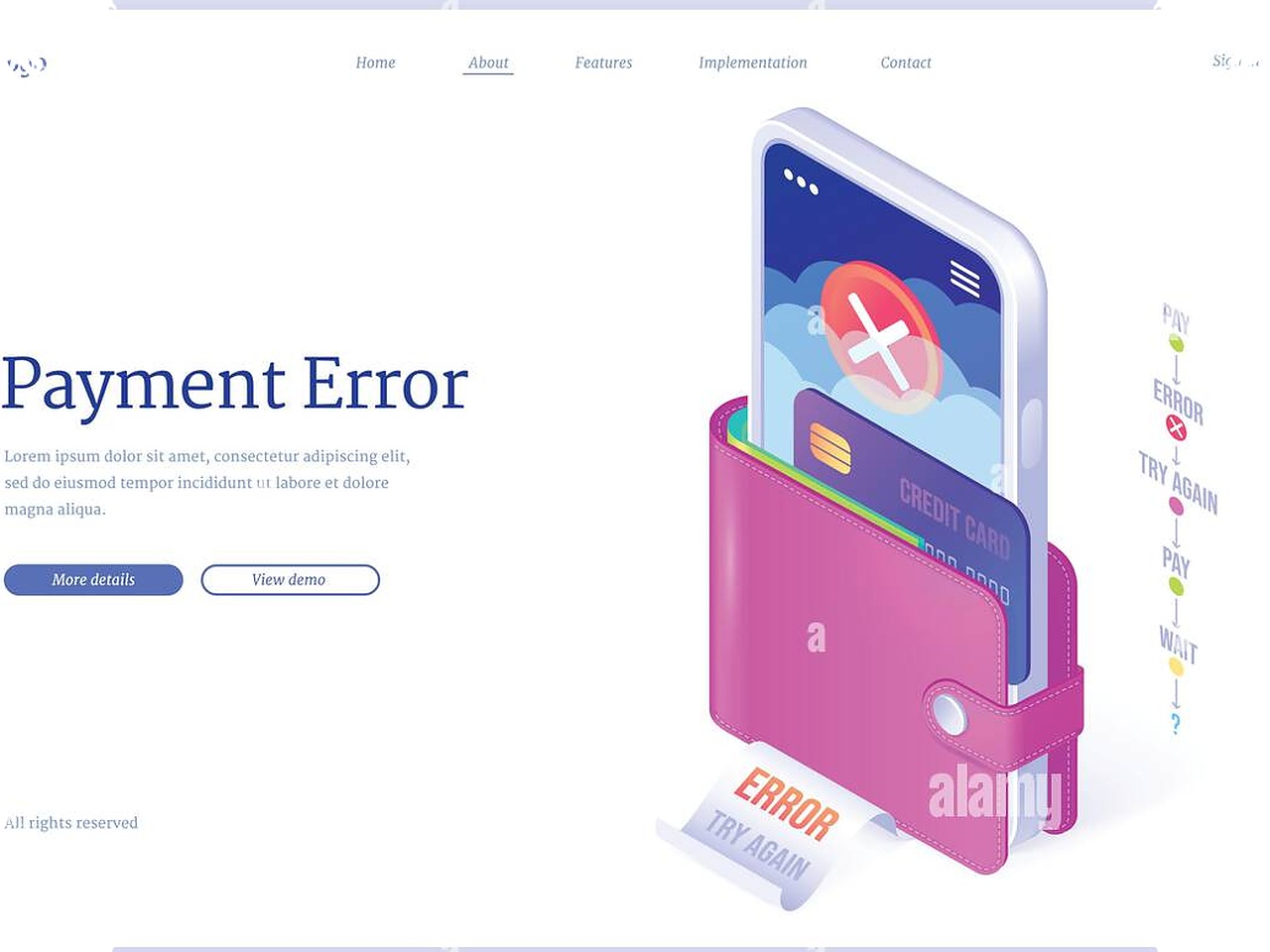
A transfer that looks routine can turn costly in seconds when small details slip past review. A wrong digit, a missed name check, or a careless tap on the wrong payment code can send money to the wrong place before there is any chance to correct it.
The danger is not always a system failure. In many cases, the problem starts with rushed users who skip simple checks that should happen before the send button is pressed.
Small mistakes with big consequences
One of the most common oversights is failing to match the recipient’s name with the account details shown by the banking system. Even a single different letter can indicate that the destination account belongs to someone else.
The account number deserves the same level of attention. If one digit is swapped, the transfer target changes immediately, and the money may land in the wrong account.
Speed makes those errors more likely. People who transfer while multitasking or under time pressure often lose focus, and that is when a simple input mistake can become a serious problem.
When the amount or bank code is wrong
Manual transfers also carry the risk of entering the wrong amount. A single extra zero, a misread number, or a failure to review the figure before confirming can create a far larger transfer than intended.
A payment of Rp100.000, for example, can become Rp1.000.000 if one extra zero goes unnoticed. The error may look minor on screen, but the financial impact can be immediate.
For interbank transfers, the bank code must also be checked carefully. Choosing the wrong code can send funds to the wrong account, cause a failed transaction with money already deducted, or trigger an unnoticed extra charge.
That is why checking only the account number is not enough. The bank code is part of the transfer route and must be correct from the start.
Digital messages and QR payments need verification too
Numbers shared through chat can also be dangerous. Fraudsters may pose as store admins, send fake account details, or change the payment number during the conversation.
If the information is accepted from only one channel without cross-checking, users can transfer money directly to the scammer. The risk grows when the details look convincing enough to pass as normal.
QRIS payments require the same caution. A QR code can be pasted over another one, left outdated, or linked to a merchant name that does not match the intended recipient.
Before confirming payment, the merchant identity shown on the screen should be verified. That simple check helps prevent money from going to an unauthorized party even when the scan process appears normal.
Why notifications and proof still matter
Transaction notifications are often ignored until something goes wrong. Real-time alerts work as an early warning system for unfamiliar activity or suspicious transfers.
Without those alerts, a problem on the account may go unnoticed for too long. Once that happens, tracking the transaction and responding to the bank becomes more difficult.
Proof of transfer is also frequently neglected. Many people assume the process ends once the money leaves the account, but the receipt remains important if a dispute or misdirected transfer occurs.
That document supports clarification, reporting to the bank, and any recovery process. Without it, the investigation can become harder because fewer supporting details are available.
What to do if the money has already been sent
The first step is to contact the bank immediately. Timing matters because the bank may still be able to trace the transfer, reach the recipient, and open a mediation process.
The funds cannot be taken back instantly without the recipient’s approval. That is why fast reporting gives the best chance of moving the case forward.
A formal report should include the transfer proof, the exact time of the transaction, and the destination account number. Complete information helps the bank handle the case more efficiently and understand what happened.
If the recipient’s number is known, direct communication may also help speed things up. Even so, it should be handled carefully so that it does not create a new problem.
-

-
-

-