


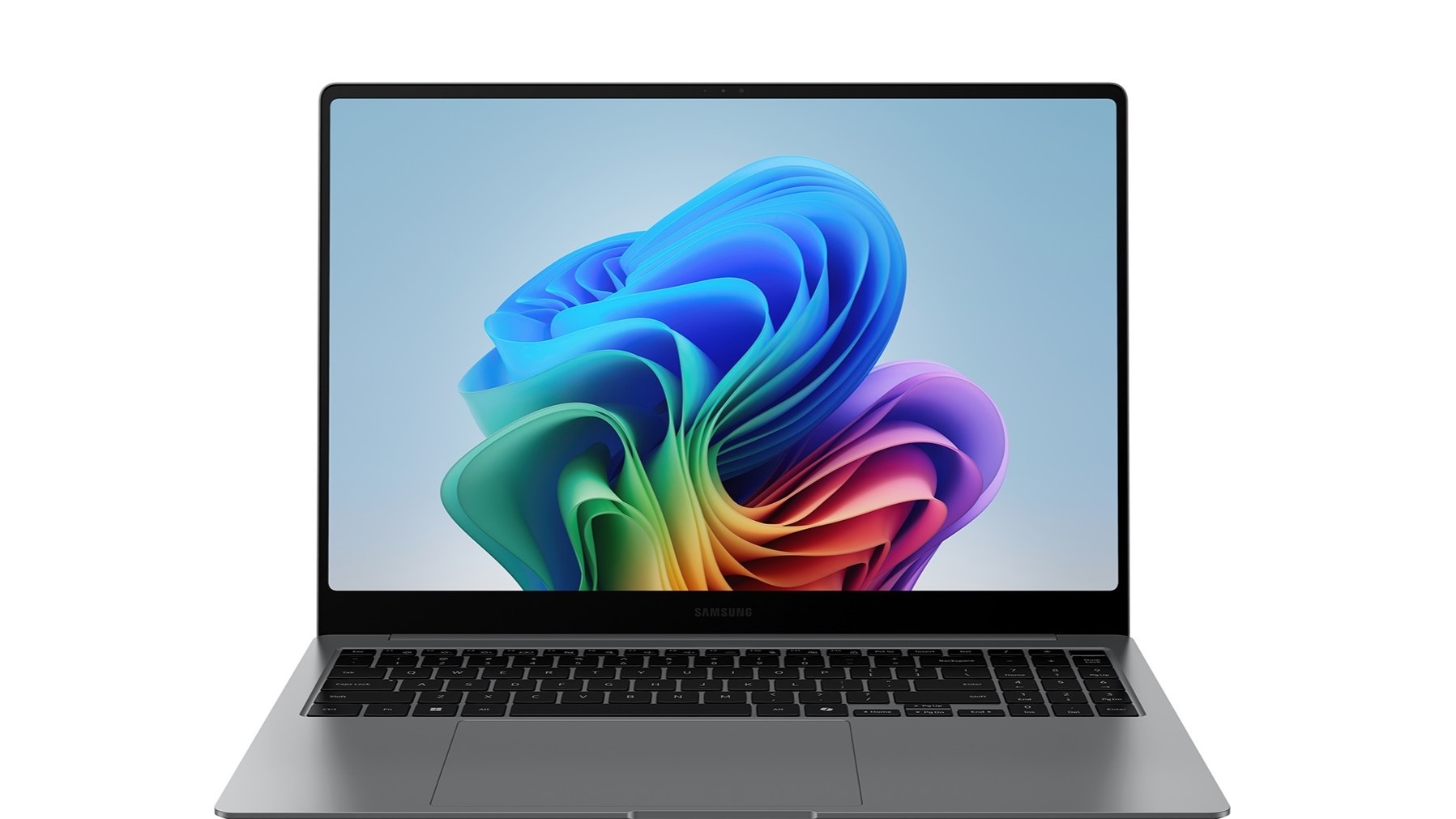
Samsung may be preparing to push the Galaxy Book name into territory it has never occupied before. Instead of remaining tied to Windows, the line is reportedly set to expand into Android-based laptops powered by Android 17 and One UI 9.
That shift matters because it would turn Android from a mobile-first platform into a serious contender for larger-screen computing. The reported timing also lines up with Google’s broader work on desktop-oriented Android features, which could give Samsung a more mature software base to build on.
A new Galaxy Book family around Android
According to SamMobile, Samsung is not testing a single concept device but working on a full Android-based Galaxy Book lineup. The reported range would span budget, midrange, and high-end models, suggesting a broader commercial plan rather than a one-off experiment.
The top-tier model is said to feature a slim design. Specific hardware details have not been revealed, but the overall direction points to Samsung creating a new product category alongside its existing Galaxy Book machines.
That would also mark a major branding change. Galaxy Book has long been associated with Windows laptops, while Samsung has used the Galaxy Chromebook name for ChromeOS devices.
Android 17 could make the difference
The strongest reason this idea is getting attention is Android 17. The next version of Google’s operating system is said to bring a native desktop mode that would make Android feel more like a traditional computer interface on a larger screen.
Google is also reportedly adding bubble-based multitasking. That feature would make it easier to keep several apps open at once, which is important if Android is going to work well in a laptop-style environment.
Taken together, those additions give Samsung a plausible software foundation for a real Android laptop experience. They also suggest that Android’s role may be expanding beyond phones and tablets into devices that are meant for more sustained productivity.
One UI 9 and Galaxy AI could extend the appeal
Samsung’s own software layer is also part of the picture. The new devices are expected to run One UI 9, which should help Samsung adapt Android for keyboard-and-mouse use on a larger display.
The report also says Galaxy AI will be included. That would extend Samsung’s AI push to another device class, after its presence across phones, tablets, and smartwatches.
If that happens, the Android-based Galaxy Book line would not just be another hardware launch. It would also become a way for Samsung to connect its AI features across more of the Galaxy ecosystem.
Chip choice remains open
There is still no confirmation on the processor. The devices are said to be possible candidates for either Snapdragon X Elite or Samsung’s own Exynos chip.
That choice will matter for positioning, but the bigger question remains software. Android still has to prove it can deliver a comfortable productivity experience on laptops, especially because many apps are not yet optimized for desktop-style use.
A possible showcase for Google’s next desktop push
The timing could make the project even more visible. Google is expected to highlight Android 17’s new desktop mode when the public version of the operating system arrives.
Because Samsung and Google work closely, the Android-based Galaxy Book could appear at Google I/O 2026. Another possibility is a reveal during Samsung’s July Unpacked event, although the device is still said to be in development and not close to release.
The project also fits into Google’s effort to merge ChromeOS into Android. If Samsung is first to bring that direction to a Galaxy Book, it could become one of the most visible examples of Android moving into a wider computing role.