


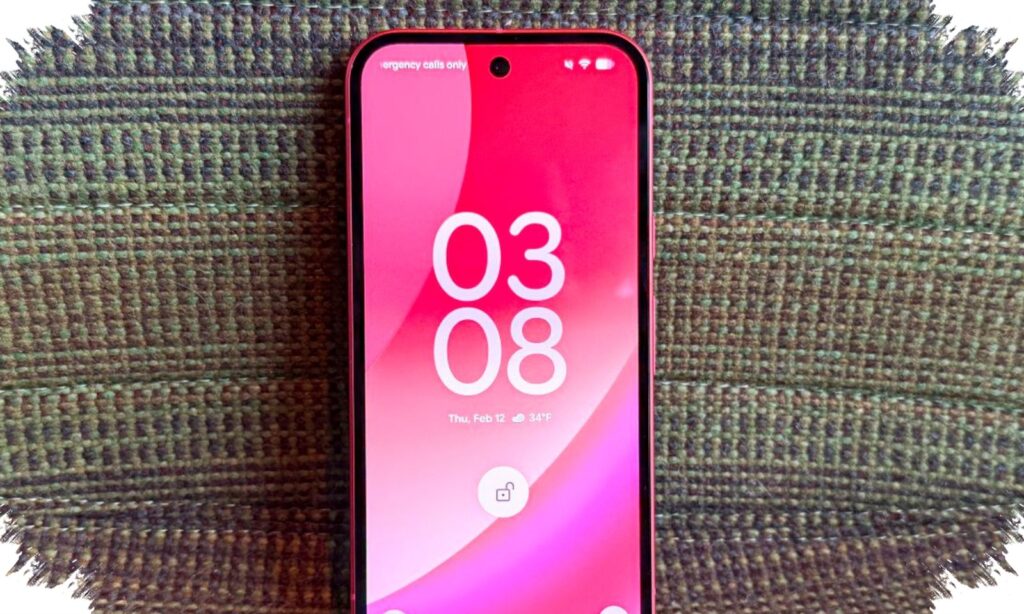
For many buyers, the appeal of a Rp1 million phone in May 2026 is no longer just the low price. The bigger draw is how much more practical this segment has become for everyday use, especially when a device needs to stay stable and last through the day without frequent charging.
That shift reflects a wider change in how entry-level smartphones are used. These phones are now expected to handle studying, work, entertainment, and daily digital tasks, so buyers pay closer attention to performance, memory, and battery life than they did before.
More capable entry-level hardware
Competition in the entry-level segment has pushed specifications upward. Brands have started bringing larger RAM, more generous storage, and high-capacity batteries into a price class that was once very limited.
For buyers, that means more options that fit different needs without having to move up to the mid-range segment. Beginners, students, and people looking for a second phone can now find devices that are more usable for routine tasks.
Memory upgrades are among the clearest changes. Many phones in this class now come with at least 4GB to 8GB of RAM, which is enough for social media, video streaming, and light multitasking.
Internal storage has also improved. The common range is now 64GB to 128GB, giving users more room for everyday apps, photos, and basic files.
Battery life remains the main attraction
Even with broader spec improvements, battery endurance is still the strongest reason this segment attracts attention. Many current models carry batteries above 5,000 mAh, which is considered enough for a full day of normal use.
Some devices go further and offer up to 6,000 mAh. That kind of capacity is more suitable for users with high mobility who cannot always rely on easy access to a charger.
The need for long battery life is also tied to how people use affordable smartphones today. One device often has to cover communication, short-form video, navigation, online classes, and light entertainment throughout the day.
Daily performance still matters
Battery size alone does not determine whether a phone feels good to use. Performance remains a key factor, even if the chipset in this segment is still positioned at the entry level.
The processors used here are not built for high-end tasks, but they are generally considered stable enough for browsing, daily applications, and light gaming. System optimization also plays a major role in keeping the phone responsive even when the hardware is modest.
That is why buyers should not focus only on RAM or battery numbers. A balanced combination of processor, system, and memory matters more for longer-term comfort.
Display quality has also seen some improvement. Several devices in this segment now offer higher refresh rates than earlier generations, which makes scrolling and light gaming feel smoother.
Models that are drawing attention
Several phones are included in the list of notable Rp1 million options for May 2026. The names mentioned include Redmi 13X, Infinix Hot 50, Samsung Galaxy A06, and OPPO A3x.
Other models that appear in the same group are realme Note 70, POCO C65, Tecno Spark 40, and Redmi 14C. Infinix Smart 10, Vivo Y17s, and Advan X1 are also part of the lineup.
These devices are seen as relatively balanced choices because they combine adequate daily performance, more generous storage, and strong battery life for routine use.
What buyers should prioritize
The right choice still depends on how the phone will be used. For basic activity, a standard entry-level chipset is still acceptable, but users who want a snappier experience should pay attention to processors that are better optimized in their class.
At least 4GB of RAM remains an important baseline, especially for those who tend to open several apps at once. Storage of 64GB to 128GB also helps reduce the risk of running out of space too quickly.
A battery above 5,000 mAh should remain the main reference point. In normal use, that level is seen as safer for keeping a phone running throughout the day without unnecessary power drain.
The trend in May 2026 shows that Rp1 million phones are no longer limited to basic functions. With more mature specifications, this segment is becoming a realistic choice for users who want an affordable phone that stays stable and lasts through daily activity.