


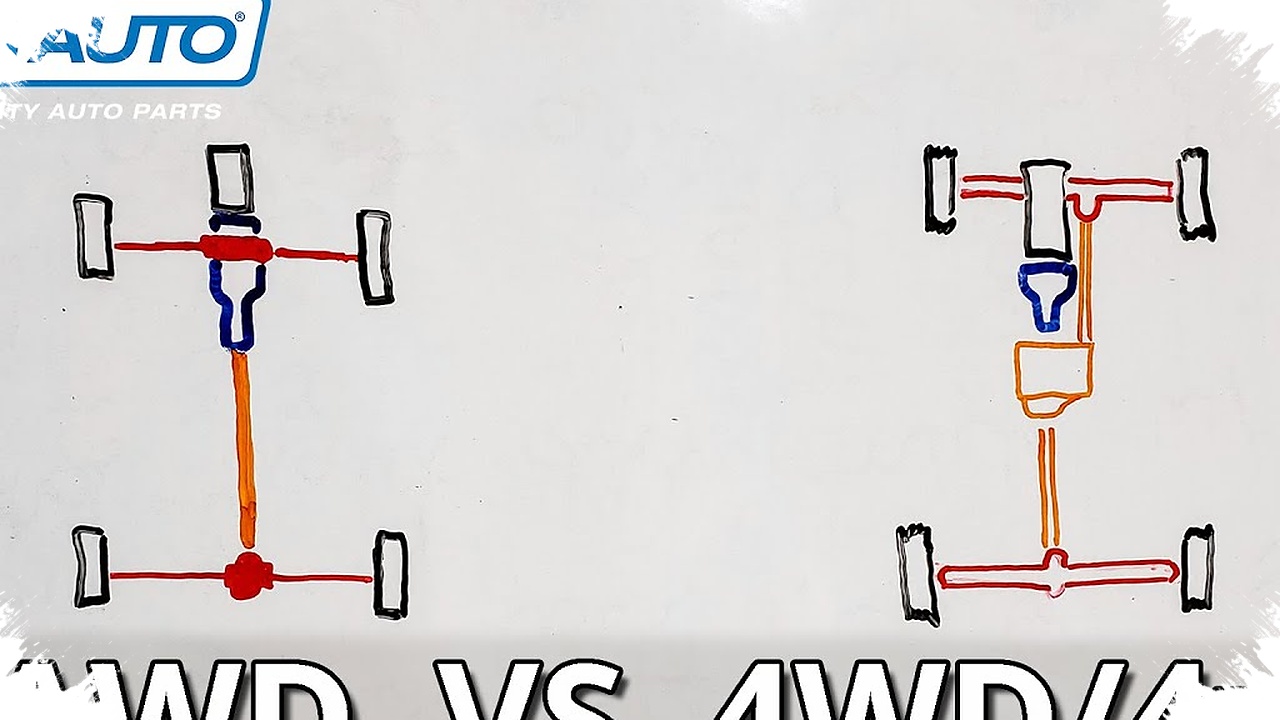
The appeal of four-wheel-drive vehicles is no longer limited to drivers who head straight for rough terrain. For many buyers, the more practical question now is whether a vehicle will suit daily commuting just as well as occasional difficult routes.
That shift has put 4×4 and AWD in a more direct comparison. Both offer extra traction, but they serve different kinds of use, and the better choice often depends on road conditions, routine driving needs, and ownership costs.
Why AWD fits daily use better
AWD is often seen as the more sensible option for drivers who spend most of their time on paved roads. It still adds stability when the road gets slippery or grip drops, but it does so without the heavier off-road character associated with 4×4 systems.
That makes AWD feel more balanced for everyday use. It provides an added layer of control without turning the vehicle into something designed mainly for severe terrain.
Where 4×4 still holds the advantage
4×4 remains the stronger choice when the route becomes more demanding. It is known for handling a wide range of road conditions, from city driving to muddy, rocky, or otherwise challenging off-road paths.
The system sends power to all four wheels evenly to maintain traction on difficult surfaces. In modern models, manufacturers have also improved efficiency, reducing the fuel-use drawback that used to define older generations of 4×4 vehicles.
Some models now also include driving modes that can be adjusted to suit the terrain. That flexibility gives 4×4 more versatility when road conditions change without warning.
Comfort, size, and ownership costs still matter
Even with the stronger appeal of modern 4×4 models, the purchase decision does not end with traction. Price, maintenance costs, and vehicle size remain important considerations, especially for buyers who want long-term efficiency.
A larger body can also make a 4×4 less convenient in narrow streets or dense traffic. For drivers who mostly deal with urban congestion, that can make AWD the more practical choice.
Modern features have changed the image of 4×4
The old idea of 4×4 vehicles as rough and purely utilitarian no longer fully applies. Many newer models now come with features such as a 360-degree camera, advanced navigation, and digital connectivity.
Those additions make the driving experience far more convenient than the traditional image of a hard-edged off-roader. As a result, 4×4 now competes not only on toughness but also on everyday usability.
Models that keep the segment visible
The segment still draws attention through well-known names such as Toyota Land Cruiser, Jeep Wrangler, and Mitsubishi Pajero Sport. These models are widely recognized for strong performance and a solid reputation across different road conditions.
At the same time, the market itself has changed. 4×4 is no longer automatically viewed as thirsty or uncomfortable, because many current models combine performance, efficiency, and comfort in one package.
For buyers who regularly face heavy terrain or frequently leave asphalt behind, 4×4 remains the more fitting answer. For those whose driving is mostly urban, but who still want extra confidence in poor weather or slippery conditions, AWD can be the more reasonable daily companion.