For many riders considering a switch from gasoline motorcycles, the biggest concern is rarely just efficiency. What matters more is whether an electric model can still feel strong, responsive, and practical in daily traffic, and that is where Alva Cervo has started to stand out.
Its appeal lies in the way it delivers immediate torque and a sharp initial pull. That character makes it easier to accept as a daily ride for users who want an electric motorcycle without giving up the familiar sense of quick response.
Instant response for city riding
Alva Cervo is positioned around strong low-end pull, which gives it a lively feel when the throttle is opened. In crowded urban roads, that kind of response helps the motorcycle move confidently and makes acceleration feel smooth yet firm.
The same trait also matters on inclines, where a large amount of torque can make a clear difference. Instead of waiting for engine revs to build up like on a gasoline motorcycle, the rider gets immediate drive from the start.
For daily mobility, that behavior is practical. Short trips and medium-distance rides benefit from a motorcycle that feels agile, easy to manage, and ready to react when needed.
Why it makes the transition easier
Performance remains one of the main questions for riders who are used to gasoline motorcycles. Alva Cervo answers that hesitation by offering instant electric power, especially during takeoff, so the riding experience does not feel too far removed from what many users already know.
That matters because the switch to electric is often decided not only by environmental concerns but also by how natural the motorcycle feels on the road. When the power delivery is fast and stable, the change becomes easier to accept.
In that sense, Alva Cervo is not presented only as an energy-saving alternative. It is also framed as an electric motorcycle that still delivers a solid riding feel for everyday use.
Digital support and control
Beyond the powertrain character, Alva Cervo includes a digital system that shows important information in real time. Speed, battery status, and riding mode can be checked more easily while the motorcycle is in use.
That practical display adds convenience in daily riding. It helps riders understand the vehicle’s condition without guesswork and makes it easier to adjust riding behavior based on the information shown.
ALVA also equips the Cervo with a modern control system designed to make the motorcycle feel stable and manageable. This is especially relevant for first-time electric motorcycle users, since a simpler learning curve can help the transition from gasoline to electric mobility.
Modern design with ergonomic focus
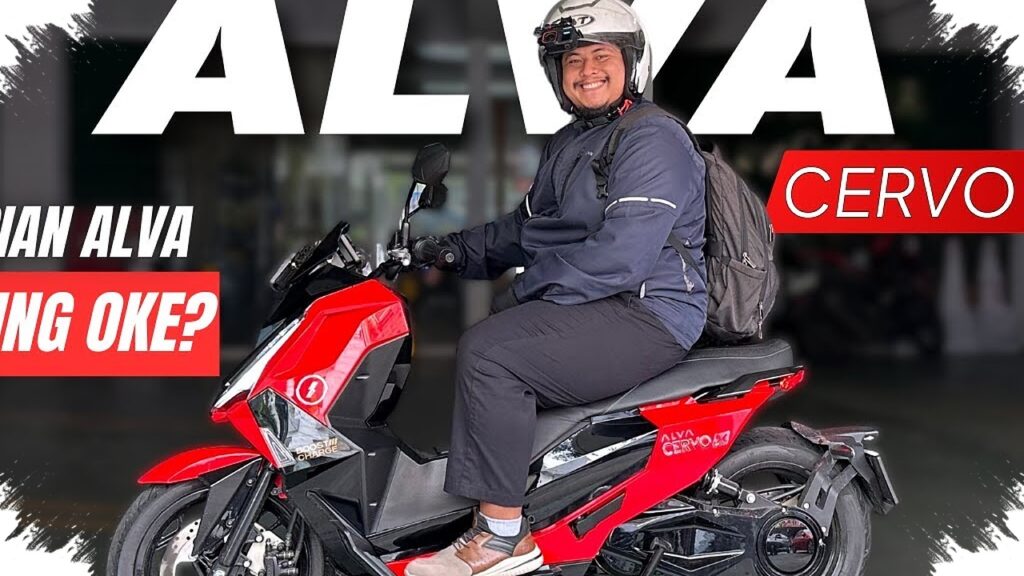
The visual side of Alva Cervo follows a futuristic direction. Its sharp body lines and modern look create a premium impression and reinforce the idea of an electric motorcycle built for current mobility trends.
Design is not only about appearance here. A modern motorcycle also needs to appeal to buyers who now look for both efficiency and relevance in styling, especially in a market where electric vehicles are becoming more visible.
Comfort is part of the package as well, with an ergonomic layout intended to support rides over short and medium distances. That kind of setup matters because a motorcycle that feels comfortable is more likely to become a daily vehicle rather than a secondary option.
Efficiency with a cleaner direction
As an electric motorcycle, Alva Cervo offers high energy efficiency. It does not rely on fossil fuel, which can reduce operating costs over the long run and make it more attractive for users watching their daily expenses.
The environmental benefit is equally important. Lower carbon emissions give the model a cleaner mobility profile, aligning it with the broader shift toward more sustainable transportation.
With its responsive launch, strong torque, digital instruments, modern control system, and futuristic styling, Alva Cervo presents itself as a serious electric motorcycle option in Indonesia. It shows that an electric model can still be evaluated not just for efficiency, but also for the kind of performance that daily riders expect.