


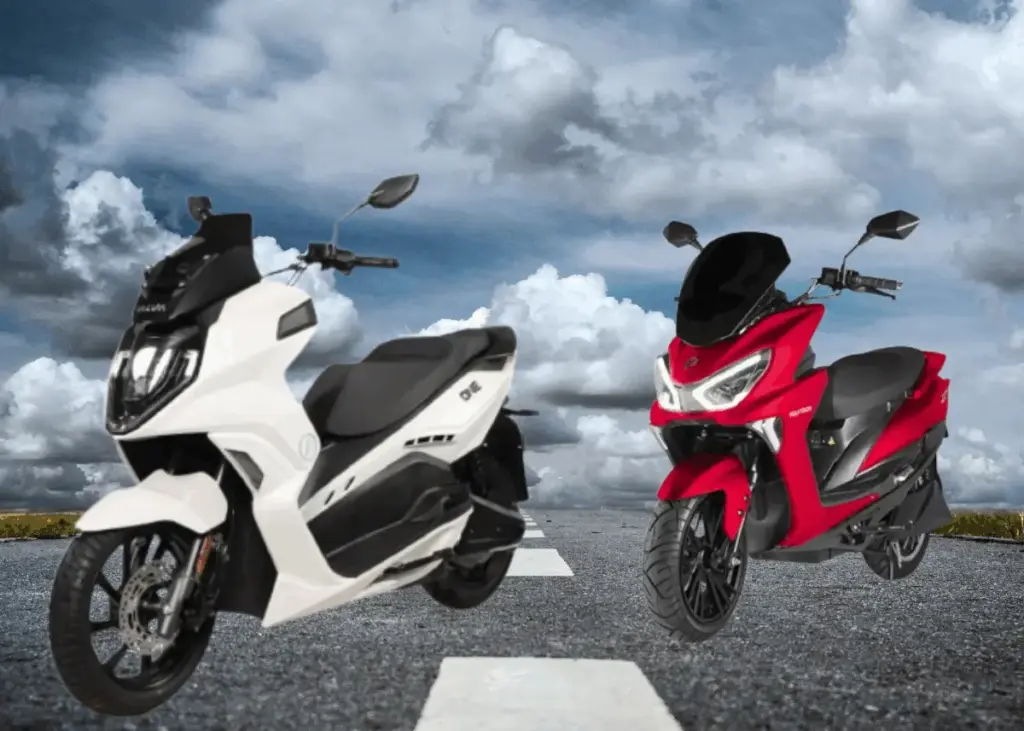
Electric motorcycles are rapidly gaining traction among Indonesian consumers seeking efficient and environmentally friendly alternatives to gasoline-powered vehicles. Supported by advancements in battery technology and significant government backing for electric mobility, the landscape of personal transport is transforming quickly. Today’s electric motorbikes are no longer limited by power or range concerns. Instead, they now offer solutions that meet the daily commuting needs of both urban and suburban riders.
In the search for an electric motorbike with exceptional range, lasting battery power, and reliable performance, several local and international brands are vying for attention. Among these, certain models have set new benchmarks in efficiency and practicality which stand out for those who desire ease of use, minimum downtime, as well as seamless integration with modern connectivity.
Best Electric Motorcycles with Outstanding Range and Low Power Consumption
The demand for long-range electric motorcycles in Indonesia has surged with awareness about fuel efficiency and sustainability. Polytron, Alva, and Gesits are among the brands offering models with extended travel capabilities while maintaining compact size and manageable running costs. These motorcycles integrate lightweight lithium batteries, advanced digital features, and energy-saving drive systems.
- Polytron Fox R – Exceptional Mileage up to 130 km
Polytron Fox R is a local model that has emerged as a leader in range and battery durability. The bike features a 3,74 kWh lithium battery, providing stamina for distances up to 130 km on a single charge. It’s powered by a 3,000-watt electric motor, enabling speeds up to 90 km/h. This combination of range, speed, and power places the Fox R among the most efficient in its segment.
In terms of features, Fox R is equipped with smart key technology, a digital interactive display, and smartphone app connectivity. These add convenience for users who rely on real-time updates and modern mobility solutions. The design is tailored for city commuters who need reliable and low-energy transportation without sacrificing style.
- Alva One – Local Premium Performance
Alva One stands out as an Indonesian-made electric motorcycle with a sporty and elegant design. The model is fitted with a 5,000-watt motor and lithium-ion battery, giving it a top speed of 90 km/h and a maximum range of around 70 km. Alva One features state-of-the-art digital dashboards and real-time connection to apps for vehicle monitoring.
A distinguishing factor for Alva One is its robust after-sales service and nationwide availability of spare parts. This makes it a trustworthy pick for urbanites who need both reliability and support infrastructure, ensuring the bike’s long lifespan and consistent performance.
- Gesits G1 – National Pride in Electric Mobility
The Gesits G1 represents a significant achievement in the domestic electric vehicle market. With a 5 kW motor combined with a 72V 20Ah battery, it covers distances of 50 to 60 km on a full charge and can reach speeds up to 70 km/h. Gesits G1 is often recommended for students, professionals, and small business owners seeking accessible electric mobility.
Unique to the Gesits G1 is the convenience of easy battery swaps and a wide network of authorized service centers across the country. This commitment to practical use and ongoing maintenance sets Gesits apart from many imported alternatives.
Key Features That Define Modern Electric Motorcycles
Several notable characteristics differentiate modern battery-powered motorcycles from their predecessors and gasoline-driven models. These aspects are essential for consumers prioritizing durability, range, and efficiency:
- Advanced lithium battery technology for extended life and rapid charging.
- Energy-saving brushless motors with optimized power delivery.
- Digital instrument panels and integration with mobile apps for enhanced user experience.
- Eco-friendly engineering with a strong focus on sustainability.
- Availability of comprehensive after-sales service and spare parts.
Comparative Table: Leading Electric Motorcycle Specifications
| Model | Battery Capacity | Motor Power | Max Range (km) | Top Speed (km/h) | App Connectivity |
|---|---|---|---|---|---|
| Polytron Fox R | 3.74 kWh | 3,000 W | 130 | 90 | Yes |
| Alva One | N/A (Li-Ion) | 5,000 W | 70 | 90 | Yes |
| Gesits G1 | 72V 20Ah | 5,000 W | 50–60 | 70 | Not specified |
This comparative overview helps potential buyers quickly assess which model meets their commuting and lifestyle needs. Data sourced from trusted reports and verified by local dealers adds credibility and ensures factual accuracy.
Factors Driving the Adoption of Electric Motorcycles
The push for electric mobility in Indonesia is influenced by both policy and practical advantages. Government incentives such as subsidies and tax reductions have made electric motorcycles more accessible. Meanwhile, increasing fuel costs and urban congestion have made efficient, low-maintenance vehicles highly attractive.
Local manufacturers are responding by ensuring competitive pricing, reliability, and robust networks for technical support. The prevalence of new charging stations and developments in battery exchange infrastructure also reduce concerns about range anxiety.
Checklist: What to Prioritize When Choosing an Electric Motorcycle
- Evaluate the claimed range per charge against your daily commute needs.
- Check the availability of after-sales service and spare parts in your city.
- Consider connectivity features and software updates for tech-savvy users.
- Assess total battery lifespan and ease of replacement.
- Review speed and power specs based on your preferred riding experience.
Future Trends and Considerations
Innovations in electric motorcycle technology are expected to accelerate as more consumers demand cleaner and smarter mobility solutions. Manufacturers are already experimenting with higher capacity batteries and faster charging systems. Digital controls, smart locks, and eco-driving modes will soon become standard across most new models.
With the ongoing evolution of Indonesia’s electric vehicle sector, consumers have increasing reasons to consider electric motorcycles as a practical everyday solution. Whether for busy urban corridors or suburban travel, today’s options provide durability, significant cost savings, and environmental benefits, reshaping the way people commute and enhancing daily life efficiency.