
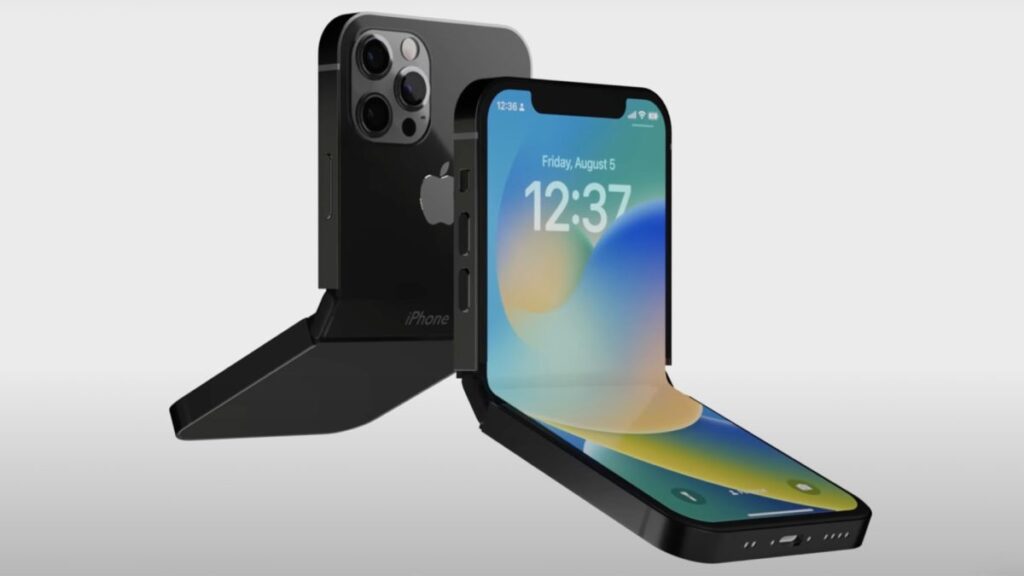
Apple’s foldable iPhone project is facing a new obstacle, and this time the problem sits in the hinge rather than the display. Internal durability testing has reportedly not yet been passed, keeping the iPhone Ultra on a slower path than many expected.
That matters because the hinge is one of the most critical parts of any foldable device. If it wears down too quickly after repeated opening and closing, the phone’s long-term reliability becomes harder to trust.
The hinge has become the main concern
Reports around the project say the mechanical component has shown notable wear after long-term testing. That finding has raised fresh concerns about how the device would hold up in everyday use.
For a foldable phone, the hinge does more than simply connect two sides of the device. It helps determine the product’s lifespan and affects how safe and durable it feels in regular hands-on use.
The unresolved hinge issue also means Apple has not yet finalized the iPhone Ultra’s design. As long as the component fails to meet internal standards, the road to launch remains delayed.
Apple is still being cautious
Apple is known for taking a strict approach when preparing new products. The company reportedly does not want to release a device before it reaches the level of refinement it expects.
That conservative stance fits Apple’s usual behavior when entering a new category. In foldable phones, however, it also means the company has fallen behind Samsung and Huawei, both of which have already brought foldable devices to market.
It is still unclear whether Apple is simply more careful than its rivals or whether the engineering hurdles are more serious than expected. What is clear is that repeated delays suggest the company is not satisfied with the results of internal testing.
A delay looks more likely than a cancellation
Even with the launch timeline under pressure again, observers do not see the project as likely to be abandoned. The foldable iPhone is still viewed as a strategic product for Apple’s future.
For that reason, a postponement appears more realistic than a full cancellation. Some sources even expect the launch window to slide to 2027, giving Apple more time to refine the hinge and finalize the design.
That extra breathing room may be exactly what the company needs if it wants to avoid entering the market with an unfinished product. Apple seems to prefer waiting rather than rushing a device that still raises internal doubts.
The display side is far ahead of the hinge
While the hinge remains the biggest issue, the screen itself is said to be much closer to Apple’s target. Leaks indicate the company has nearly solved the crease problem that has long troubled foldable phones.
On the iPhone Ultra, the display is described as showing almost no visible crease to the naked eye. Even after extended use, the surface is said to remain very smooth.
That would be a notable achievement, since screen creasing is one of the most common weaknesses in foldable devices. Apple is said to have spent years looking for a solution to that issue.
September is still a question mark
The shift in focus from the display to the hinge has slowed the project again, even though one important technical area appears close to ready. If Apple manages to fix the hinge in time, the iPhone Ultra could still appear at the September event.
In that scenario, the device would reportedly launch alongside the iPhone 18 Pro and iPhone 18 Pro Max. But that possibility is far from certain.
With the hinge still under pressure and the schedule not fully secure, Apple’s first foldable phone remains a waiting game for the market. The next step now depends on whether the company can bring the mechanical side of the product up to its internal standards without pushing the launch even further back.