


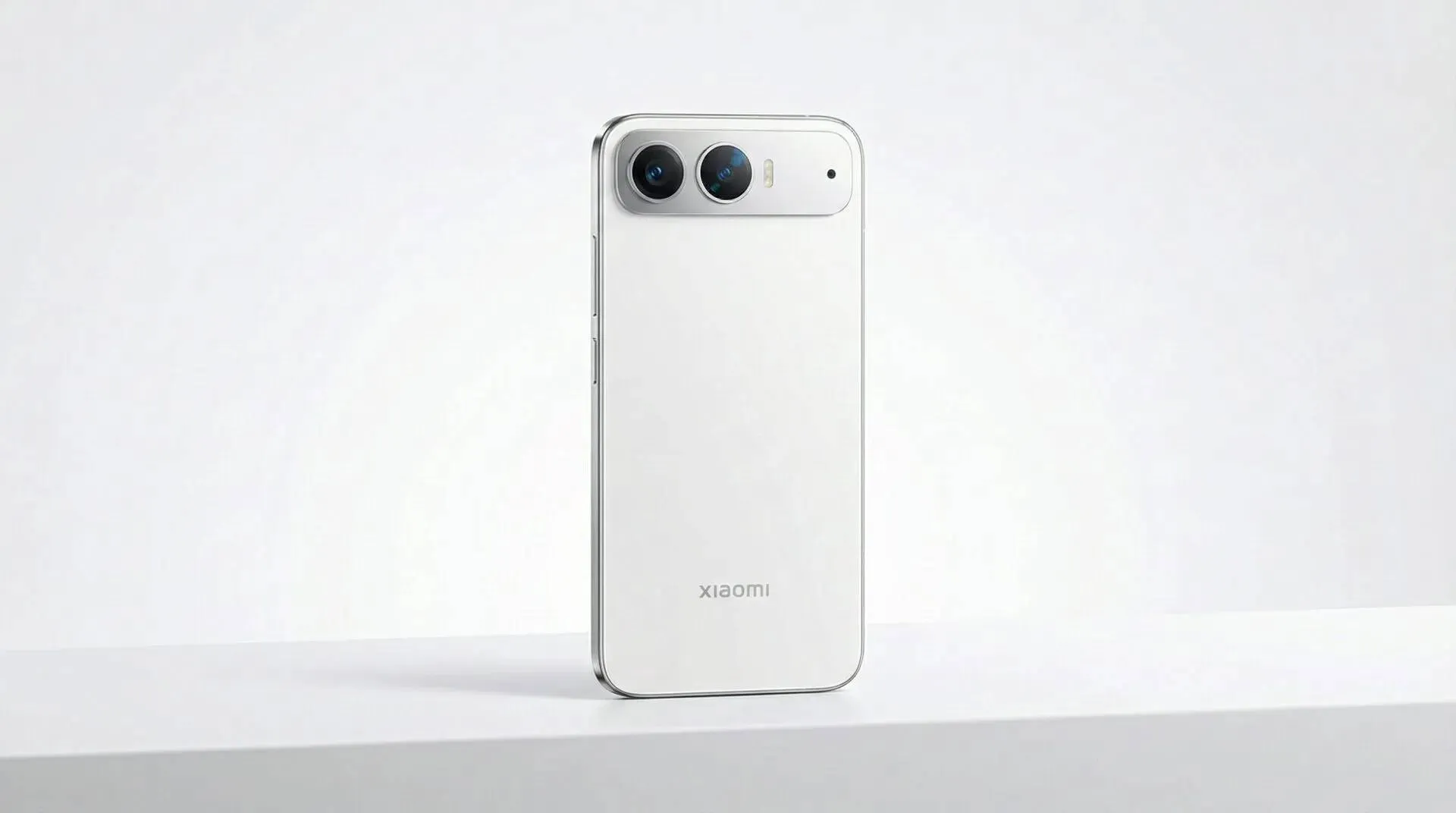
Xiaomi has decided that looking ultra-thin is not worth sacrificing the two things many smartphone users notice most in daily use: battery life and performance. That choice led the company to cancel a premium phone project that was meant to take on the iPhone Air.
The move stands out at a time when many brands are chasing slimmer and lighter designs. Instead of forcing an extreme form factor into production, Xiaomi appears to be drawing a clear line around what it is willing to compromise.
A project that came close to mass production
Xiaomi president Lu Weibing revealed the decision during a livestream. He said the ultra-thin device had already reached an advanced stage, with planning, early research, and production preparation nearly complete.
That makes the cancellation more notable, since the phone was not just an early idea. Xiaomi had already invested enough work into the project that it was close to moving into mass production.
The problem was the engineering trade-off. As a phone gets thinner, the space available for the battery shrinks, while cooling and high-performance components must still fit inside the body.
For Xiaomi, that created a compromise that was too large to justify. A sleek profile was no longer enough to offset the losses in hardware balance.
Why Xiaomi pulled the plug
Thin and light phones can be attractive on first impression. But Xiaomi concluded that a design built around extreme thinness would not meet the company’s standards for everyday experience.
The company does not seem interested in launching a device that looks impressive but becomes weaker in the areas people feel throughout the day. Battery endurance and stable performance remain central to its premium strategy.
That position also sets Xiaomi apart from the broader race in the smartphone market. While other manufacturers continue to push for the thinnest possible body, Xiaomi is choosing a more restrained path.
The cancellation suggests the company would rather abandon an appealing concept than ship a product that feels unbalanced in real use. In Xiaomi’s view, design alone is not enough if it forces too many functional trade-offs.
Why the Max line matters more now
The decision also helps explain Xiaomi’s growing focus on larger devices. Lu said the Xiaomi 17 Max does not use the “Plus” label because the company sees the two categories differently.
In Xiaomi’s view, a Plus model is usually just a bigger version of the standard phone. The Max line is meant to stand for more than screen size.
Lu said the Max series is expected to bring improvements across multiple areas, including imaging, performance, and battery life. That positioning suggests Xiaomi wants the device to feel more complete, not merely larger.
This approach fits the company’s latest direction in the flagship segment. Xiaomi appears more willing to emphasize bigger batteries, stronger hardware, and advanced camera systems than chase the slimmest possible build.
What the decision signals
Pulling the rival project before it reached mass production gives a clear signal about Xiaomi’s priorities in premium phones. The company seems to believe many users still value long battery life and consistent performance more than an ultra-thin body.
It also shows that Xiaomi is prepared to walk away from a visually appealing idea when the result does not meet its expectations. Rather than forcing a product into the market, it is redirecting attention toward devices it sees as more useful and better balanced.
For users hoping for an ultra-thin Xiaomi phone, the cancellation may be disappointing. For those who care more about battery capacity and steady performance, however, the stronger emphasis on the Max line may be the more encouraging development.