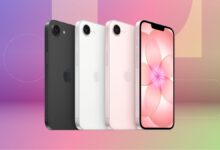
For many buyers, the biggest shift in the iPhone versus Android debate is no longer about brand prestige. In 2026, the more practical question is whether the higher cost of an iPhone still brings enough everyday advantage to justify the spend.
That calculation is changing because Android now covers more of what many users actually need. Mid-range Android phones can already offer AMOLED 120Hz displays, high-resolution cameras, and large batteries, while iPhone models remain positioned firmly in the premium tier.
Price has become the most visible gap
The most obvious reason iPhone no longer feels as dominant is simple: the price keeps moving further away from what many people consider affordable. Even the iPhone entry models are still treated as premium devices.
By contrast, many Android phones in the middle class now deliver features that used to be reserved for much more expensive phones. That difference in value makes Android look more reasonable to buyers who are watching their budget closely.
The Apple ecosystem is strong, but not always convenient
Apple still has one major advantage in how well its devices connect with one another. Features such as fast synchronization across devices, universal clipboard, and mirroring work best when the full setup stays inside Apple’s own ecosystem.
The problem is that this strength feels less complete for people who use Windows or Android devices. Outside Apple’s environment, the experience becomes more limited, and that makes the ecosystem feel closed to some users.
Android is more flexible across devices and systems
Android has gained ground because it works more freely with different systems. That flexibility matters for people who need a phone to fit into work, entertainment, and daily productivity without being locked into a single brand family.
For users who switch between devices or use mixed platforms, Android offers fewer barriers. That practical openness is one reason many buyers now see it as the more adaptable choice.
Mobile gaming has widened the gap
Gaming has also changed how people compare the two platforms. Android is no longer just a strong mobile gaming option; it also supports many PC games through modern emulation and translation technologies.
Some Android flagship devices can even run thousands of PC games with stable performance. iPhone, meanwhile, remains much more dependent on official games available in the App Store, which narrows the range of options.
Hidden costs add pressure beyond the purchase price
The total cost of owning an iPhone can climb after the device is bought. Many popular apps cost more on the App Store than on Android, and some subscription services also carry extra charges through Apple’s payment system.
That pattern is often described as the “Apple Tax.” Android offers more free apps and a freer installation model, so it can feel less expensive for users who want to keep monthly spending under control.
Older Android phones can stay useful for longer
Another factor that does not always get enough attention is community support for Android devices. When official support ends, users can still install alternative operating systems to keep older phones secure and relevant.
Custom ROMs such as LineageOS make that possible. With that option, older smartphones can continue to run newer apps and receive additional security updates.
Taken together, these shifts explain why iPhone still appeals to users who value stability and a premium image, but no longer feels like the automatic top choice for everyone. For many buyers in 2026, Android now offers the more practical balance of price, flexibility, and long-term value.