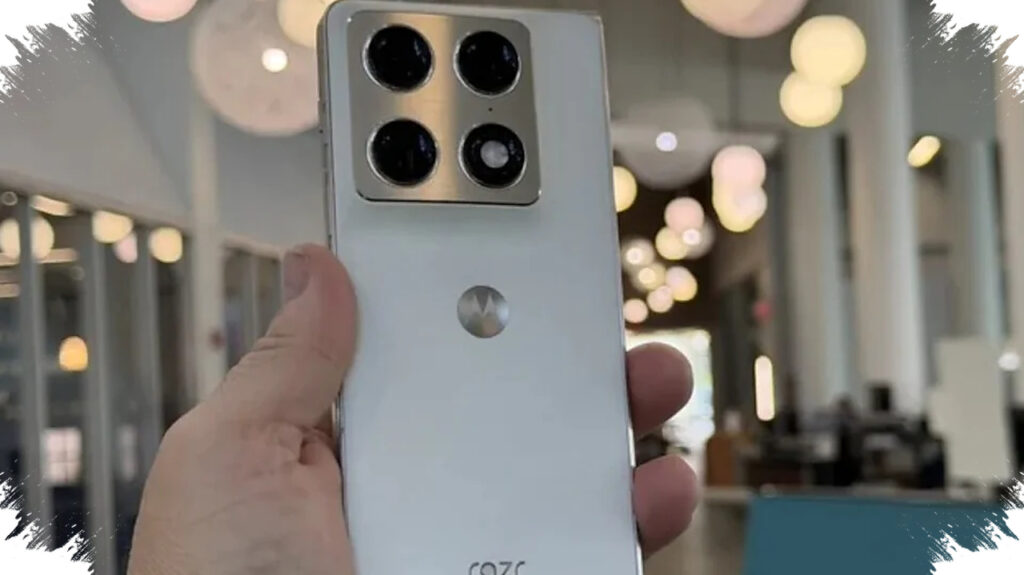
For buyers watching the foldable market, Motorola’s Razr Fold is not the only device that deserves attention. Several rivals now look stronger in specific areas, whether that means a more refined display, a larger battery, a lower entry price, or software that feels better tailored to everyday use.
That makes the competition unusually crowded for a category that is still not simple to shop in the US. Some of the most compelling options come from brands that helped define foldables early, while others push harder on hardware and durability than Motorola does.
Samsung still sets the benchmark
Samsung remains the most established name in book-style foldables, and the Galaxy Z Fold 7 shows why. Since the first Galaxy Z Fold helped launch the category in 2019, Samsung has steadily pushed its design toward something thinner and easier to carry.
The latest model stands out for its more comfortable folded shape and a less noticeable crease on the inner display. It also uses a faster processor than the Razr Fold, although the 4,400mAh battery and 25-watt charging are less impressive.
Price is the main obstacle. The 256GB base model comes in at nearly $2,000, which puts it firmly in the premium-only category.
Google leans on software
Google takes a different path with the Pixel 10 Pro Fold. The hardware is competitive, but the real appeal comes from Google’s software and the speed with which the phone gets the latest version of Android.
Google also promises 7 years of support, and the back panel includes PixelSnap magnets that follow a MagSafe-like idea. That gives the phone a more complete ecosystem feel than many rivals.
There is a tradeoff in multitasking, though. Google’s interface on this model supports only two apps side by side, which is more limited than some competitors that can show three or more, including Razr Fold.
Motorola still has a separate pitch
Motorola’s own Razr Ultra remains relevant for anyone who likes the company’s design language but does not want a book-style foldable. It is smaller, easier to carry, and built for daily use in a way that makes it feel distinct from devices that unfold into tablet-like screens.
The phone uses Snapdragon 8 Elite, which is still a very fast chip. Even so, keeping the same processor as last year makes the upgrade feel less dramatic, especially with a price increase of around $200.
Its strongest points are more about personality and convenience. Alcantara and wood finishes give it visual identity, while gestures for the flashlight or camera, camcorder mode, and support for nearly all apps on the cover screen make it one of the more flexible foldables to use.
The flip option still matters
For buyers who prefer clamshell phones, the Galaxy Z Flip 7 is the clearest alternative. Samsung played a major role in making the flip form factor mainstream, and this model remains the closest rival to Motorola’s Razr Ultra.
Samsung uses an Exynos processor here rather than a top-tier Snapdragon chip like the one found in the Z Fold 7. The outer screen is also more restricted, with Samsung treating it more like a smartwatch-sized display and requiring Good Lock plus MultiStar for broader app use.
Even with those limits, the response from outlets such as The Verge, Android Authority, and CNET has been positive. If discounts appear after its successor arrives, it could become an especially practical entry point for buyers who want a foldable without aiming at the most expensive models.
Honor goes hardest on specifications
Honor Magic V6 is the most aggressive option in the group. It is not officially sold in the US, but it can still be imported and supports the wireless bands needed for carriers there.
On paper, it is one of the strongest competitors available. Honor pairs Snapdragon 8 Elite with a 6,660mAh silicon-carbon battery and an IP68/IP69 rating, giving it much stronger dust and water protection than Razr Fold’s IP48/IP49.
Imported pricing starts at around $1,500, which in some cases makes it cheaper than other premium foldables. Honor also offers distinctive rear materials, including vegan leather, for buyers who want something that feels different from the usual glass-and-metal approach.
The result is a foldable market where Razr Fold has plenty of serious rivals. Samsung offers the most familiar premium route, Google emphasizes software and support, Motorola keeps its own compact identity alive, and Honor pushes hardest on battery and durability.