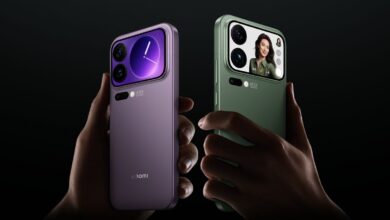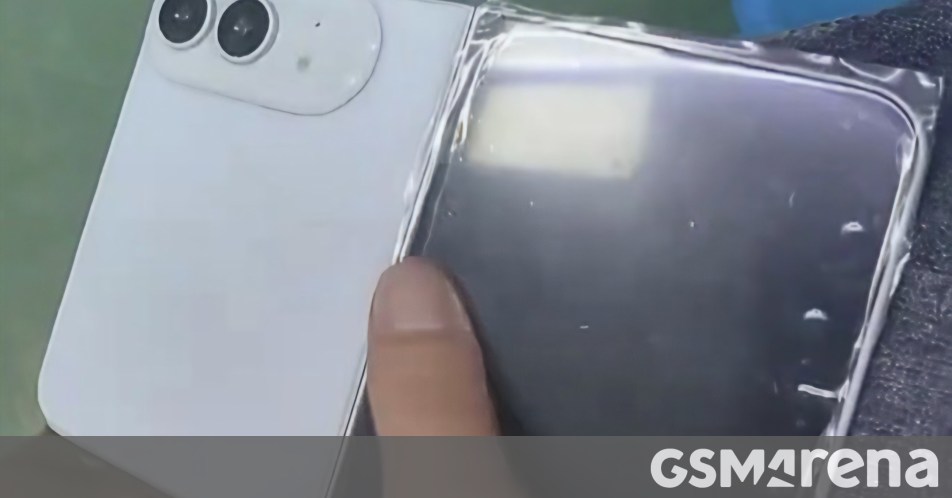
Apple’s first foldable iPhone is drawing attention for a part most users will never see first: the hinge. Rumors around the device, widely described as iPhone Ultra, suggest that liquid metal may play a central role in making the folding mechanism more durable over time.
That detail matters because the hinge is one of the most critical parts of any foldable phone. In this category, long-term reliability depends as much on the opening and closing mechanism as it does on the display itself.
Why liquid metal is getting attention


Liquid metal sounds like a material in motion, but it is not actually liquid in the usual sense. It is described as a metal alloy with an amorphous atomic structure, meaning it does not behave like traditional crystalline metals and instead resembles glass at the microscopic level.
That structure gives the material strong elasticity. It can absorb significant pressure and then return to its original shape with high precision, which makes it appealing for repeated mechanical stress inside a foldable device.
For Apple, that could be useful in a hinge that must keep working smoothly after thousands of folds. A component with that kind of resilience may help preserve a stable crease and a consistent folding feel over long-term use.
The same rumor also says liquid metal is stronger than titanium and stainless steel. At the same time, it is claimed to be much lighter, which would fit a premium product that still has to manage the weight of a complex folding design.
The hinge is the real battleground
In the foldable phone market, a loose hinge can quickly become a visible weakness. It affects not only how the device feels in hand, but also how users judge its overall build quality.
That is why the choice of hinge material can matter as much as the display technology. A hinge that stays tight and precise may help the device avoid the wobble or wear concerns that often follow heavy daily use.
The rumor also highlights the material’s very smooth surface at a microscopic level. That characteristic is said to help the hinge remain firm and less likely to loosen, even after hundreds of thousands of folds.
Apple appears to be paying close attention to that mechanical foundation. The goal is not simply to make a phone that folds, but to make one that keeps folding cleanly and consistently.
Prototype testing appears to be underway
A separate part of the leak suggests the project has already moved into a more advanced stage. According to an active tipster on Weibo, prototype units of iPhone Ultra have been sent to carriers in different regions for testing.
That kind of carrier testing is usually seen as an important step before launch. It helps verify network compatibility and general device readiness ahead of a commercial release.
Even so, the device remains unconfirmed by Apple. The company has not officially announced iPhone Ultra, and the name itself is still only circulating through rumors.
If that branding is eventually used, it would place the foldable model near the top of the iPhone lineup. The name also suggests a premium positioning rather than a separate experimental branch.
What the timeline rumors point to
The same leak says the device could be introduced in September. It is also said to arrive alongside iPhone 18 Pro and iPhone 18 Pro Max.
If that schedule holds, Apple would be unveiling its first foldable phone in the same event window as its Pro models. That would frame the device as part of a major flagship push rather than a side project.
For now, the most notable takeaway is how much of the attention is centered on the hinge. In a foldable phone, that one mechanism can decide whether the design feels innovative only on day one or stays dependable after months of use.
Source: www.gsmarena.com