


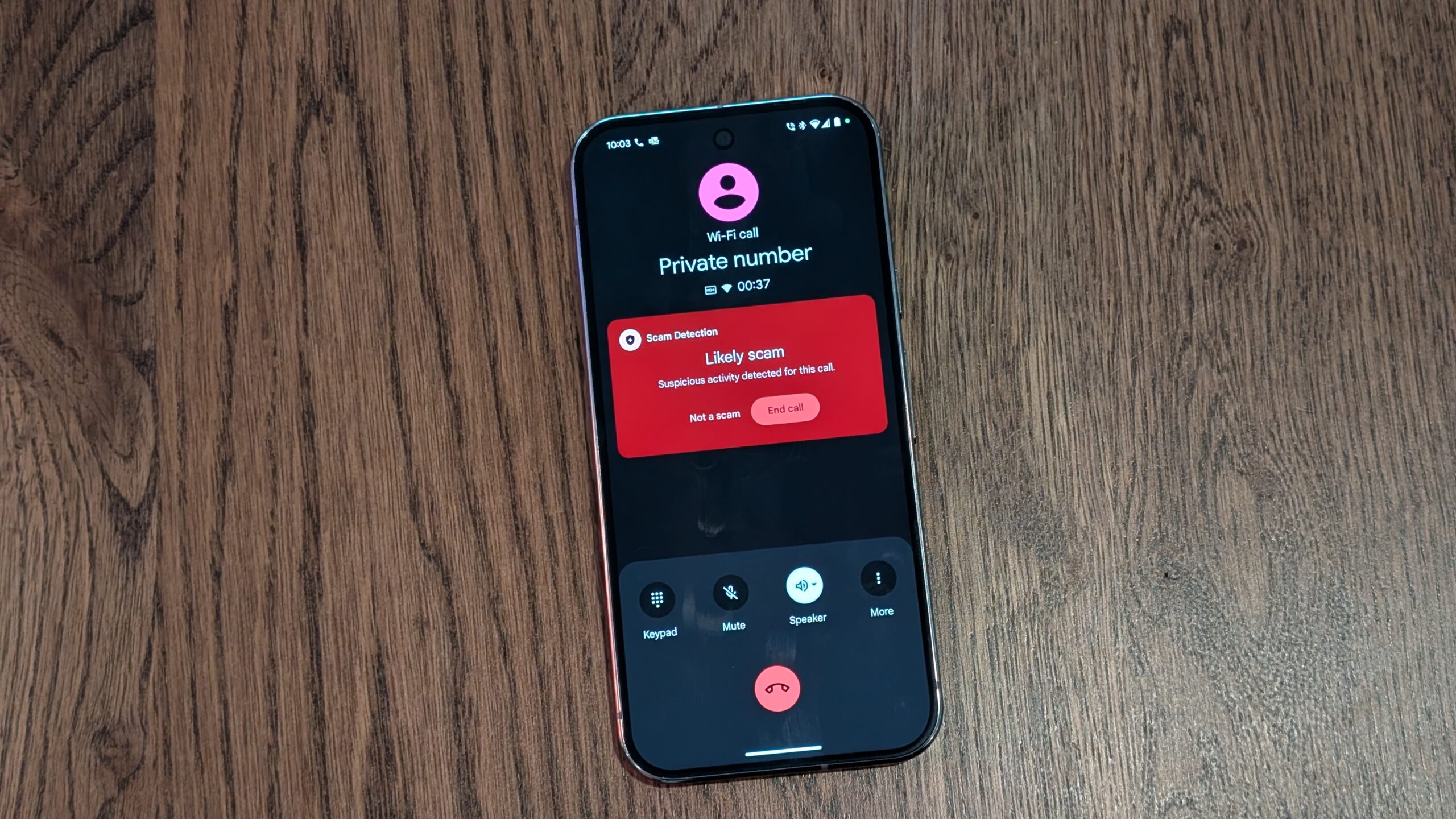
Google is adding a new layer of protection to Android as phone scams become harder to spot by voice alone. The update is meant to help users recognize calls that may look and sound like they are coming from family, friends, or even a boss.
The threat now goes beyond unfamiliar numbers and suspicious text messages. Scammers can copy a trusted contact’s number so it appears legitimate on the screen, then reinforce the deception with AI-generated deepfake audio that sounds convincing enough to fool many people during a short call.
Two layers of impersonation
Google highlights that these scams now often work in two stages. First comes number spoofing, which uses internet-based software to manipulate the network so the caller ID shown to the victim matches a known contact.
The second stage is voice cloning. Once the call is answered, the fraudster can use deepfake technology to imitate the voice of the person being impersonated, making the conversation feel real and urgent.
Security experts say this combination has become highly realistic. In many cases, people are no longer able to distinguish a fake voice from a real human voice during a brief phone conversation.
Verification happens on the device
To counter this, Google is building the protection directly into the Phone by Google app. The system does not try to interpret the content of the conversation, but instead checks whether the call truly comes from the genuine device of the person making it.
When both the caller and the recipient use Phone by Google, the two apps communicate quietly in the background. That exchange is designed to confirm that the call is taking place between legitimate hardware, not from another device or computer that is only pretending to be the trusted contact.
The validation runs through the RCS network. Google says that route is protected by end-to-end encryption, which is intended to keep the verification private and secure.
Warnings appear in real time
If someone tries to impersonate a real contact by spoofing the number from another device, the confirmation signal from the caller’s original smartphone will not appear. When that mismatch is detected, Phone by Google shows a real-time warning on the user’s screen.
This approach does more than look for suspicious patterns. It first attempts to verify whether the call is actually coming from the device that matches the caller’s identity.
Google has also made the feature on by default. Users do not need to adjust any settings to receive protection once it becomes available on their device, although they can still turn it off later through the app settings.
Rollout for newer Android devices
The feature is now rolling out globally this month for devices running Android 12 or later. Pixel phones are getting it first, following the usual pattern for new Android protections.
After that, the same protection can also be used on phones from other brands as long as they run Phone by Google. That includes Samsung, Xiaomi, Oppo, and other Android devices that still rely on the manufacturer’s built-in calling app.
Users on those phones can download Phone by Google for free from the Play Store and set it as the default phone app. That distribution method allows Google to broaden adoption without waiting for system updates from each device maker.
The rollout marks a more device-level approach to call security on Android at a time when AI-assisted scams are becoming more convincing. As voice imitation and caller ID spoofing continue to spread, identity verification inside the phone itself is becoming a more relevant safeguard for everyday users.