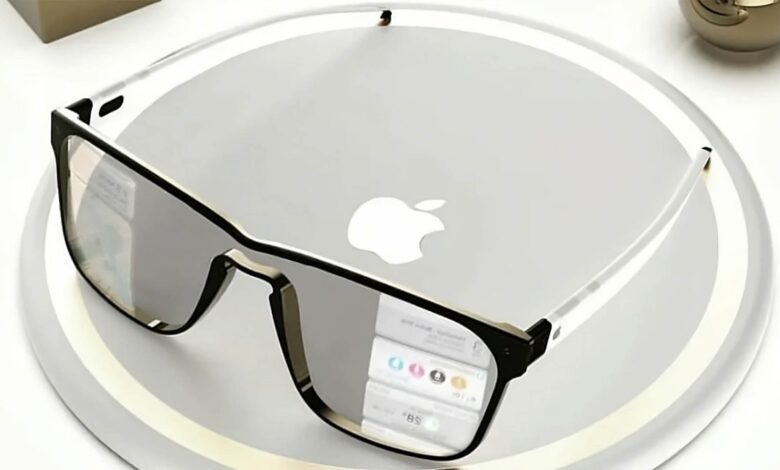
Meta now appears to have even more room to solidify its lead in smart glasses. Apple’s long-awaited entry has reportedly slipped again, with a launch that was once expected in 2026 now moving to the end of 2027.
The shift matters because the smart glasses race is no longer just about prototypes and long-term plans. It is increasingly about which company can reach consumers first, refine the product faster, and hold attention long enough to shape the market.
Apple takes a slower path
Bloomberg senior technology journalist Mark Gurman said the schedule for Apple’s project has changed significantly, and Engadget highlighted his report. He had previously expected Apple’s smart glasses to arrive at the end of 2026, followed by shipments in early 2027.
That timeline has now moved back. Under the revised schedule, the device is expected to reach physical stores and online channels in early 2028.
The delay gives Apple more time to refine the product before it reaches the market. It also signals that the company is choosing caution over speed as it works on the project codenamed N50.
Software readiness is the main focus
Apple’s wait appears to be tied most closely to software preparation. The company is reportedly aiming to deepen Siri integration with full support from Apple Intelligence.
A major Siri upgrade is expected to roll out gradually this year. When the smart glasses finally arrive, that AI layer is expected to be a central selling point.
That approach suggests Apple wants the glasses to do more than display information. The device is being shaped around more natural voice interaction and a more contextual assistant experience for daily use.
Design is part of the strategy
Apple is also treating the product as more than a piece of hardware. Reports indicate that the company is preparing four different frame options from the start, along with several exclusive colors.
That detail points to a wider ambition around styling and personalization. The glasses are being positioned as a wearable accessory that can also function as a fashion item.
This matters in a category where appearance can influence adoption as much as technical capability. For smart glasses, identity and design can help determine how quickly consumers embrace the product.
Meta keeps building momentum
While Apple waits, Meta continues to strengthen its position in the category. The company has already moved into the market and is becoming increasingly familiar to consumers.
Meta has launched the second generation of Ray-Ban Meta AI. The collaboration has drawn attention for its improved battery life and practical AI features.
That head start gives Meta more time to deepen its lead. It can keep refining the product while Apple is still preparing its first big move into the segment.
A broader ambition than an iPhone companion
Even with the delay, Apple has not stepped away from the competition. Gurman’s analysis suggests the company sees smart glasses as something larger than a companion device for the iPhone.
Apple is reportedly exploring a more ambitious direction that includes health-related uses. Its research team is also said to be looking at advanced Augmented Reality technology that could help improve visual abilities for users with certain limitations.
If those plans take shape, Apple’s glasses could end up in a more complex category than a lifestyle wearable. The product would sit at the intersection of AI, design, and assistive technology, which could make it one of Apple’s most important bets in wearables.
Source: www.gadgetdiva.id