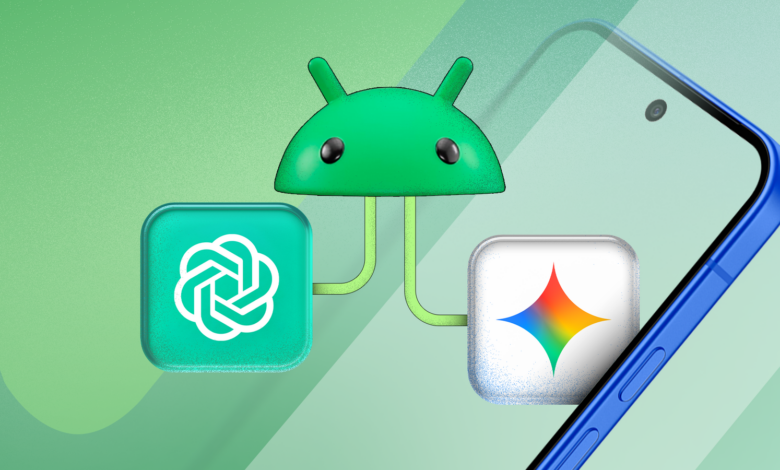
Google is bringing Gemini Go to low-cost Android phones, and that shift matters more than it may seem. Devices that have long been limited by modest hardware are now being brought into Google’s newer AI ecosystem instead of staying on the older Assistant Go path.
The move is aimed at Android Go devices, which are designed for very light operation on entry-level phones. Google says Gemini Go is a streamlined version of Gemini built to stay efficient on devices with limited RAM, storage, and computing power.
A lower hardware bar for AI access
One of the most notable points is the modest system requirement. Google only asks for at least 2GB of RAM to run Gemini Go.
That threshold is realistic for the current Android Go market. Since Android 13 Go Edition, Google has already required a minimum of 2GB RAM, so many budget phones in circulation are expected to qualify.
The service is also meant to fit devices with very small internal storage. Google positions Gemini Go as a lighter, more streamlined app so it can remain practical on phones where every resource matters.
Assistant Go is being replaced
Gemini Go is not just an additional option for Android Go users. It officially takes over the role previously held by Google Assistant Go on lightweight devices.
This transition signals a broader change in Google’s approach. AI-powered assistance is no longer reserved for midrange and flagship phones, as even entry-level Android devices are now being directed toward the Gemini ecosystem.
For users, the experience is intended to stay simple. Google is not asking Android Go owners to install a separate app just to try it.
How users can access it
On supported devices, Gemini Go is available through the Google Search app that many Android users already know. Access can be triggered by pressing and holding the Home button.
On some devices, the power button can also be used to open it. That keeps the feature easy to reach, especially for users who want quick access without navigating through extra menus.
The setup reflects Google’s goal of keeping the service practical for budget phone owners. Simplicity remains central to the Android Go experience, and the access method follows that same logic.
Core functions remain useful
Even though it is a lighter version, Gemini Go still covers a range of everyday needs. It can make phone calls and send text messages, which makes it directly useful for basic communication.
It can also help check travel time to a destination. Users can ask it to find restaurants or EV charging stations, giving it value beyond simple voice commands.
For daily planning, Gemini Go can set alarms and create calendar events. It also supports media and music playback, which keeps entertainment tasks within reach on low-end phones.
Another useful feature is file upload in chat. Users can add documents or photos so the AI has more context before responding, making interactions more specific and relevant.
Rolling out worldwide
Google says Gemini Go is being rolled out gradually around the world. That means it will not appear on every Android Go device at the same time.
This type of staged release is common for Google services. Users who do not see it yet may need to wait a few more weeks before it reaches their device.
For the budget Android market, the arrival of Gemini Go marks a clear expansion in access. As long as a phone meets the 2GB RAM minimum, a modern AI assistant is now within reach.
Source: inet.detik.com