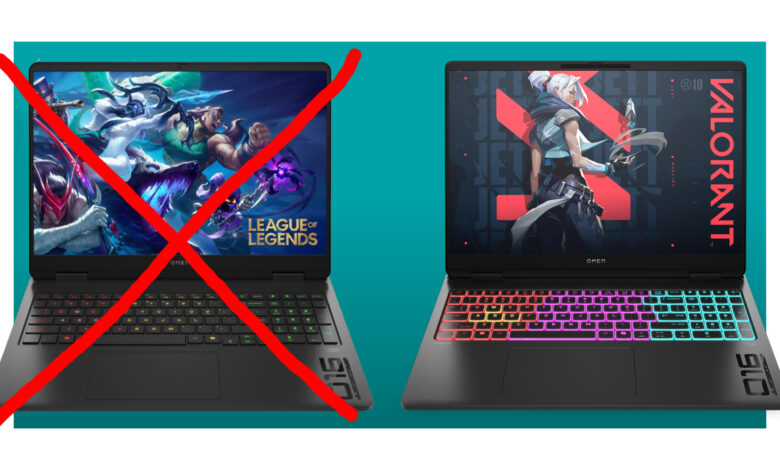
The most eye-catching part of Pongo 755 AMD is not just that it targets the middle of the gaming laptop market, but that it does so without relying on Intel at all. Instead, the device leans fully into AMD hardware, pairing a Ryzen 7 processor with an Nvidia GeForce RTX 5050 to create a package that stands out immediately on paper.
That shift matters because the laptop enters a segment where buyers usually expect compromises. Pongo 755 AMD tries to reduce those trade-offs by combining a modern CPU, a capable graphics card, and upgrade-friendly hardware in one body.
AMD Takes the Lead
Pongo 755 AMD uses a latest-generation AMD Ryzen 7 processor with boost speeds reaching up to 5.1 GHz. Graphics duties are handled by the Nvidia GeForce RTX 5050, backed by 8GB of GDDR7 memory.
The configuration places it in an interesting position for a midrange gaming laptop. It also gives the model a clear identity, especially because it abandons the Intel platform entirely.
Built for More Than Gaming
The memory and storage setup adds to that impression. The laptop comes with dual-channel DDR5 RAM running at 5,200 MHz, and it supports upgrades of up to 64GB.
For storage, it uses an NVMe SSD with two M.2 slots. That arrangement makes it easier for users to expand capacity or handle upgrades on their own.
A Display Tuned for Play and Work
The 16-inch display is not treated as an afterthought. It uses a 16:10 aspect ratio with a 1920 x 1600 pixel resolution, which gives the panel a format that can work well for both gaming and productivity.
A 165Hz refresh rate helps deliver smoother motion in competitive games. Full sRGB coverage also makes the screen more attractive for light content creation and editing work.
Attention Also Fell on the Build
Discussion around the laptop has not been limited to its specs. Its use of ODM, or Original Design Manufacturer, components sparked debate because some buyers still view ODM-based products as less prestigious than in-house designs from major global brands.
That concern does not change the fact that ODM production is common in the technology industry. It is widely used to reduce research costs and speed up mass production.
The chassis is also said to have received quality improvements, with a frame that feels more solid. Internal access is designed to be easier as well, which should help users who prefer straightforward upgrades or modifications.
Storage Health Checks Helped Calm Speculation
Another point of conversation involved claims about refurbished components. A storage health check using specialized software showed the SSD at 100 percent health with zero usage duration.
That result helped reduce some of the speculation circulating online. It also shifted attention back to the laptop’s actual configuration and how it performs in practice.
Game Testing Backed Up the Hardware
Performance testing gave Pongo 755 AMD stronger footing. In Pragmata, the laptop maintained high and stable frame rates even with ray tracing enabled.
Monster Hunter Wilds also ran with stable visuals at maxed-out graphics settings. In Formula 1 2025, gameplay smoothness was helped by Nvidia’s latest DLSS technology.
The newer GPU architecture is also described as more power efficient. As a result, excessive heat was not reported as becoming a major issue during longer gaming sessions.
A Strong Midrange Statement
With a Ryzen 7 processor, RTX 5050 graphics, DDR5 memory, two M.2 slots, and a 165Hz display, Pongo 755 AMD presents itself as a competitive portable gaming option in the midrange class. Its value is amplified by the fact that it steps away from Intel and fully embraces the AMD platform.
For the local gaming laptop market, that choice signals a more aggressive direction. It combines performance, upgrade flexibility, and a display that sits above average for its segment.