Headless Steam Service is drawing attention as an open-source tool that can deliver a cloud-gaming-style experience without a monthly fee. It lets players stream their PC game library to many devices, but it does not remove the biggest barrier that keeps cloud gaming appealing.
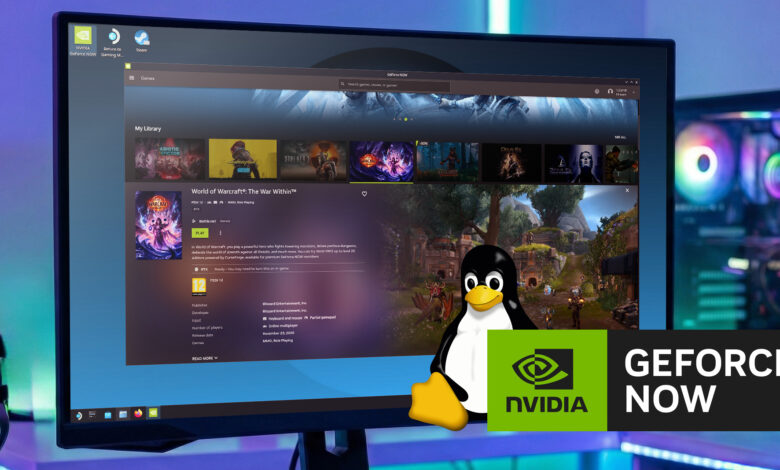
The software is built on Sunshine and Moonlight, turning a gaming PC into a private streaming server. Once configured, it can send games to a laptop, phone, tablet, handheld console, or nearly any device that can run a Moonlight client.
A Familiar Experience With A Different Cost Structure
The main attraction is straightforward: there is no subscription charge. There are no premium tiers to unlock better streaming quality, and there are no third-party limits imposed by a service provider.
That makes the project especially relevant at a time when digital subscriptions keep adding up. Users also keep full control over their streaming setup, including how the visual quality is configured.
In visual terms, the approach can compete with commercial services. Many of the important settings remain in the user’s hands rather than being tied to a paid plan.
Why It Feels Like Cloud Gaming
Cloud gaming has always been attractive because it promises access to demanding games from almost anywhere, as long as the connection is stable. It also reduces the need to buy expensive hardware just to play modern titles.
Services such as Nvidia GeForce Now and Xbox Cloud Gaming make that idea work through remote servers. The games run in a company data center, and the video feed is streamed back to the user’s device.
GeForce Now typically requires access to supported games through platforms such as Steam or Epic Games Store. Xbox Cloud Gaming, meanwhile, lets Game Pass Ultimate subscribers play supported titles directly through Microsoft’s servers.
Headless Steam Service copies the convenience, but not the infrastructure behind it. The rendering still happens on the user’s own gaming PC, not on remote servers owned by a provider.
The Limitation That Never Goes Away
The application can mirror the remote-play experience, but it only captures the output from the user’s PC and sends it elsewhere. It does not replace the hardware that powers the game in the first place.
That means the user still needs a capable gaming PC and still has to buy the games they want to play. The machine also needs to stay powered on for streaming to work, which adds electricity use and ongoing maintenance.
This matters because one of the biggest selling points of cloud gaming is removing hardware pressure. With commercial services, the provider’s servers handle the heavy lifting, so users do not need to worry about GPU upgrades or the lifespan of their own machines.
Headless Steam Service does not solve that problem. When game requirements rise, the user still has to think about upgrading the components inside the PC.
Best Suited To Existing PC Owners
Even with that limitation, the project remains impressive within the open-source gaming community. It brings much of the convenience of modern streaming services without asking for a subscription.
For players who already own a powerful gaming PC, it can be one of the best remote-play setups available. The goal is not to replace cloud gaming, but to extend the reach of hardware that is already in the house.
That makes it useful for turning a thin laptop, phone, or tablet into a window into a home gaming setup. As long as Moonlight can run on the target device, the experience can be moved to another screen with minimal friction.
It also offers more freedom than a closed ecosystem. Users are not tied to a specific service plan and do not have to wait for a provider to unlock better streaming quality.
Still, the core trade-off remains unchanged. Headless Steam Service can imitate the experience of GeForce Now, but it cannot imitate the part that matters most to many players: removing the need to own an expensive gaming PC.