Apple has confirmed which iPhone models will still receive iOS 27, giving owners of older devices a clear picture of how long their phones remain in the update cycle. The announcement matters most for users who want to know whether their current handset will continue to get the latest software.
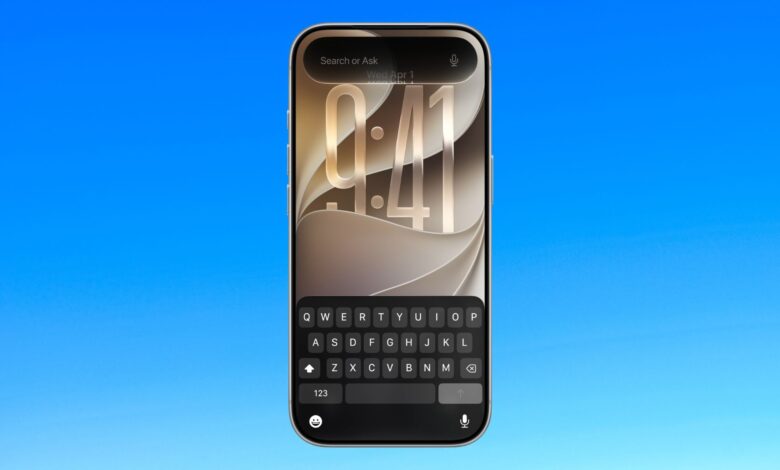
The new version is set to focus less on sweeping changes and more on daily refinement. Apple is centering iOS 27 on performance, search, AirDrop, Apple Intelligence, and interface improvements, rather than on a long list of major new features.
Which iPhones are compatible
The supported lineup includes iPhone 17 Series, iPhone 16 Series, iPhone 15 Series, iPhone 14 Series, iPhone 13 Series, iPhone 12 Series, iPhone 11 Series, iPhone SE 2nd generation, and iPhone SE 3rd generation. That list shows that several older models will still stay inside Apple’s latest software path.
For users of those devices, the update means continued access to the newest system release when it arrives. Apple has not announced any changes beyond the compatibility list it shared.
| Compatible iPhone models | Status |
|---|---|
| iPhone 17 Series | Supported |
| iPhone 16 Series | Supported |
| iPhone 15 Series | Supported |
| iPhone 14 Series | Supported |
| iPhone 13 Series | Supported |
| iPhone 12 Series | Supported |
| iPhone 11 Series | Supported |
| iPhone SE 2nd generation | Supported |
| iPhone SE 3rd generation | Supported |
What the update is designed to improve
Apple’s approach with iOS 27 suggests a more practical update strategy. Instead of emphasizing dramatic changes, the company is aiming to make everyday use smoother and more efficient.
That includes better system performance, stronger search behavior, improved AirDrop use, Apple Intelligence refinements, and a cleaner interface. For many users, those are the kinds of updates that matter most after the phone has already been in use for a while.
Release timing and beta access
The final release of iOS 27 is scheduled for September 2026 alongside the iPhone 18 Series. Before that, developers can already test the software through the Developer Beta, which became available on 9 June 2026.
A Public Beta is set to follow in July. That gives users who want an early look at the software a path to try it before the full rollout, while the stable version remains planned for later in the year.
For owners of compatible iPhones, the update timeline also serves as a reminder that device support is still active across a wide range of models. As long as a phone remains on Apple’s compatibility list, it stays eligible for the next major iOS release.