


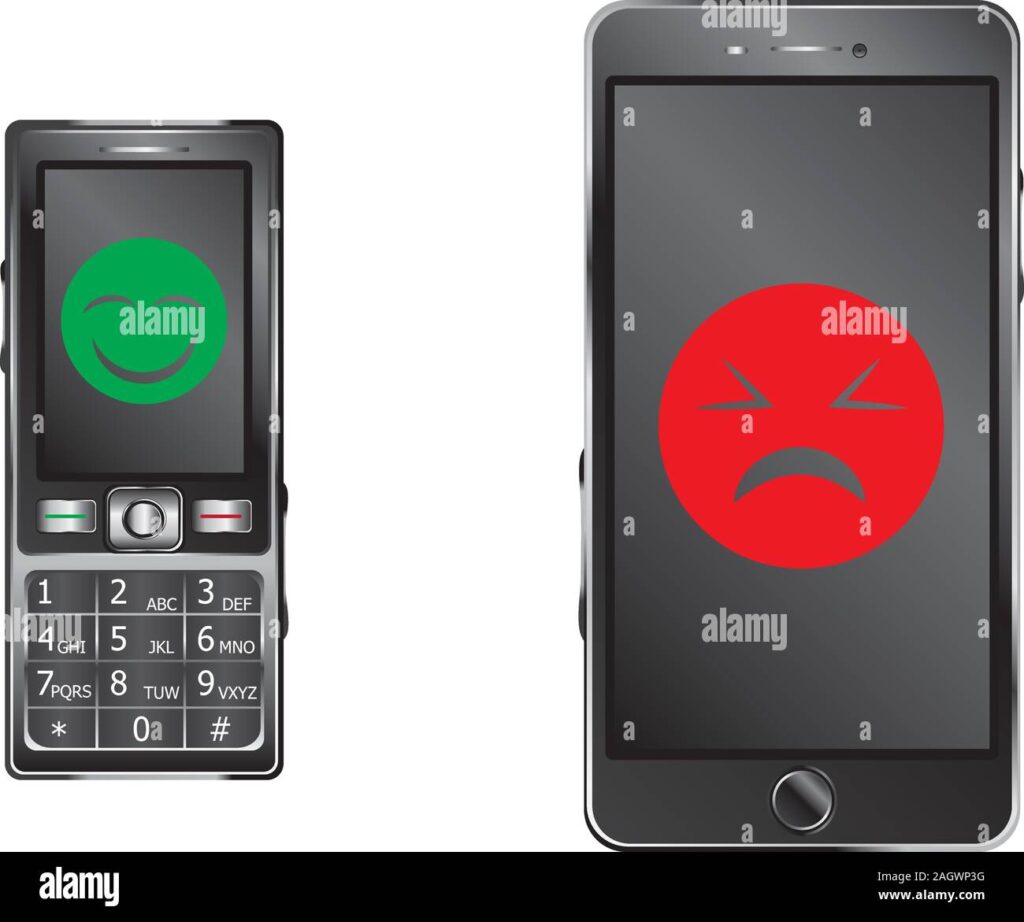
Feature phones continue to stand out in a market dominated by smartphones, largely because of one practical advantage: battery life. These devices can often last for days on a single charge, while many smartphones still need power more frequently.
That gap is not accidental. Feature phones are built for basic communication, so they use simpler hardware and lighter software that place far less strain on the battery.
Small screens reduce power consumption
One of the clearest reasons lies in the display. Feature phones usually use screens between about 1.8 and 3 inches, with resolutions below 720p.
That combination means fewer pixels to light up and less energy needed during use. For daily operation, that alone helps the battery stretch beyond a single day.
Simple functions keep the system light
Feature phones are not packed with the same range of functions found on smartphones. Many models do not include a touchscreen, multiple cameras, or advanced features such as NFC.
The main role is usually limited to calls, text messages, a basic camera, and a TFT display. With fewer system demands overall, battery use stays low.
Limited connectivity also helps
Connectivity is another major factor. Feature phones typically support only 2G or 3G, although some newer models already support 4G.
According to Opalapp, that limitation helps conserve battery life. The device does not need to work as hard to search for signals or stay connected to many devices, so its energy load remains lighter.
Fewer apps mean less strain
Unlike smartphones loaded with camera, email, gallery, and heavy gaming apps, feature phones usually carry only essential software. The standard set often includes messaging, calling, GPS, radio, and settings.
On some models, extra apps are limited to a light browser and WhatsApp. A smaller app lineup keeps the system from working too hard, which improves battery efficiency.
Lower performance can be an advantage
Feature phones are also not designed to chase high performance. They do not use powerful chipsets like the Snapdragon 8 Elite, do not offer large RAM capacities of up to 12 GB, and do not rely on NVMe or UFS storage.
That makes them a poor fit for gamers or power users, but it also reduces energy demand. Because the device is not handling many intensive tasks at once, it uses less power overall.
A practical option for basic communication
Despite their limits, feature phones still offer a battery advantage that smartphones struggle to match. Their long endurance makes them well suited for users who only need a simple communication tool.
For people who do not rely on games, social media, or a camera as daily essentials, a feature phone remains a sensible choice. It combines durable hardware with battery life that can last significantly longer than many smartphones.