The pressure behind rising smartphone prices is shifting in a way that many buyers may not expect. Nothing CEO Carl Pei says RAM and storage have become the most expensive parts of a smartphone, overtaking the chipset in cost.
That change matters because it hits the part of the bill of materials that can now consume more than half of a phone’s total cost. For consumers, that raises the odds that discounts and aggressive launch pricing become harder to find.
Memory has become the main cost driver
Pei said in a post on X on 12 June that RAM and storage can now account for more than half of a smartphone’s bill of materials. In practical terms, memory has moved from a supporting component to the biggest factor shaping device pricing.
He also explained that the memory cost for the Nothing Phone (4a) doubled between the time the product was decided and the time it launched. After the device reached the market, the price of those memory components reportedly doubled again.
Supply pressure is tightening the market
The issue is not only higher prices. Pei said suppliers are under pressure, which means smartphone makers can no longer order components as freely as before and are facing limited quotas.
In that situation, brands often have to pay a premium just to secure available supply. That raises production costs before a phone even reaches store shelves.
Pei added that since February, many new phones have launched at about $100 more than their predecessors. If that pattern continues, manufacturers may have less room to offer the deep seasonal discounts buyers have come to expect.
Mid-range phones feel the squeeze first
The impact is usually strongest in the budget and mid-range categories, where profit margins are already thin. When component costs rise, those models tend to absorb the pressure fastest at retail.
Premium phones are not immune either, with some also seeing price adjustments tied to the same cost trend. Industry watchers have linked the problem to a sharp rise in DRAM prices in 2026, driven by AI demand, adding roughly 10% to 30% or more to smartphone manufacturing costs depending on the model.
Nothing and rivals are already adapting
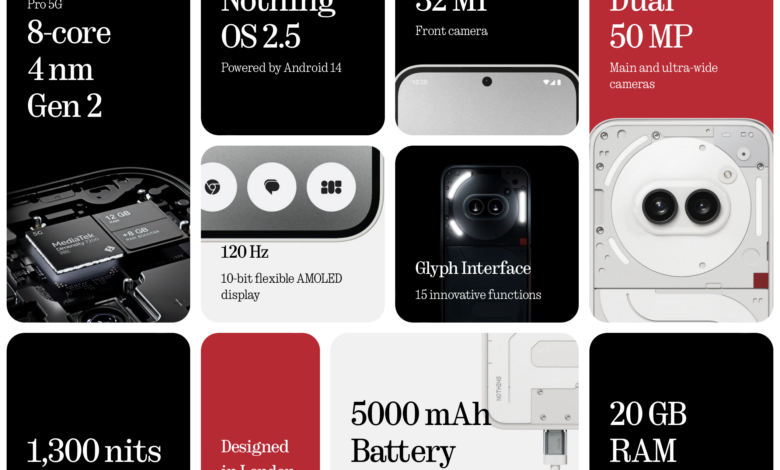
Nothing has already felt the effect directly, raising the prices of the Nothing Phone (4a) and Phone (4a) Pro across all variants shortly after their March launch. That move shows how quickly pricing strategies can change when memory costs rise faster than expected.
The challenge is not limited to one brand. Samsung, Xiaomi, Google, and Nothing are all said to be dealing with similar cost pressure as they manage device pricing.
For buyers, the timing of an upgrade may matter more than it used to. Pei’s message was blunt: the best time to buy was yesterday, and the second-best time is now.
That warning reflects a market where higher base prices, tighter supply, and smaller promotional windows may leave consumers with fewer opportunities to wait for a better deal. The same pressure is also spilling beyond smartphones, with a Lenovo ThinkBook 16 powered by AMD Ryzen 5 7535HS seen priced at nearly double its January 2026 level.
As RAM and storage take over as the costliest parts of a phone, the smartphone market appears to be entering a period where pricing flexibility is far more limited than before.