


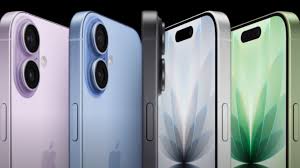
Apple may be preparing one of the biggest changes to its iPhone launch rhythm in years. Reports suggest the standard iPhone 18 will not arrive alongside the Pro models, but instead could be delayed until early 2027.
If that timeline proves accurate, Apple would be splitting its flagship releases into two separate windows for the first time. The move would break from a long-standing pattern in which the main iPhone lineup has typically been introduced at the same event.
Why the schedule matters
The reported shift points to a more staged rollout strategy, with premium devices getting the first spotlight. Under that plan, Apple would still unveil the higher-end iPhone 18 Pro, iPhone 18 Pro Max, and its first foldable iPhone in late 2026.
The standard iPhone 18, along with lower-priced models, would then follow in spring 2027. That would give Apple two major launch moments instead of one, changing how the company frames its product cycle across the year.
The new cadence could also help Apple manage a more complex lineup. Reports indicate the company is moving toward a six-device family, which would make simultaneous production and marketing increasingly difficult.
Supply chain clues point to a delay
One of the strongest signals came from Largan Precision, a key Apple camera lens supplier. During an annual shareholder meeting, CEO and chairman Lin En-ping said a major U.S. customer had pushed back the launch of a new smartphone model to the first quarter of 2027.
Lin did not name Apple directly, but the timing matches earlier reports about the iPhone 18 standard model. His comment has been read as an additional clue that the company is indeed adjusting its schedule.
Beyond launch timing, the standard model is still expected to receive meaningful upgrades. One leak suggests Apple may raise its RAM from 8GB to 12GB, which would place it on par with Pro models for the first time.
If accurate, that would represent a 50 percent increase over the iPhone 17, making the delayed model more capable even as it arrives later than expected. Apple has not confirmed any of these plans, and the information remains part of the rumor cycle.
The broader effect of such a change would go beyond a single device. It would alter how consumers, suppliers, and the market read Apple’s iPhone calendar, while also giving the premium end of the lineup a longer period in the spotlight.