


Global smartphone buying patterns in 2026 are being shaped by more than routine upgrade cycles. Live sports viewing, high-resolution highlights, and AI-driven features are pushing more users toward phones that can handle heavier workloads without slowing down.
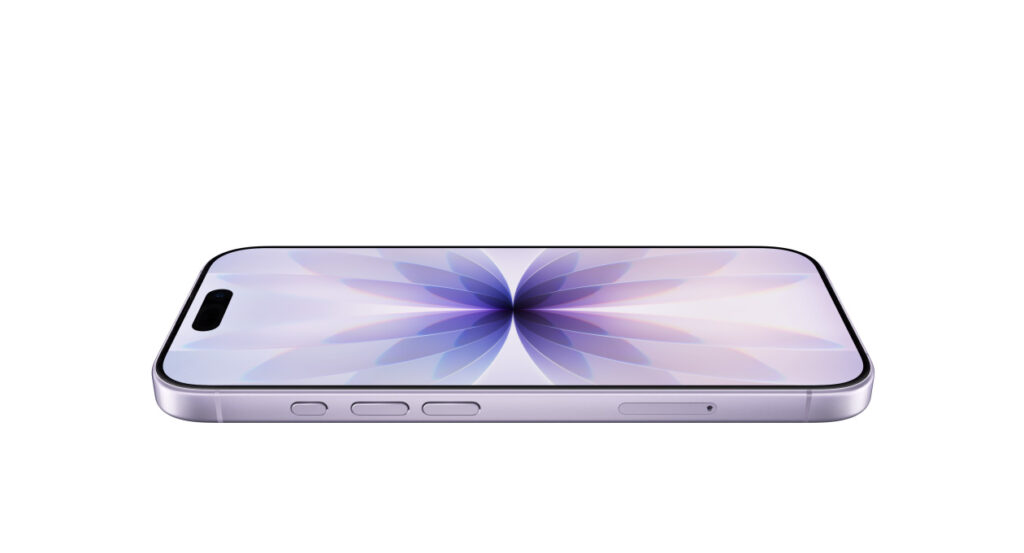
That shift has helped Apple rise to the top of the world’s best-selling phone list, with the iPhone 17 leading demand as the FIFA World Cup 2026 draws more people to watch matches on their phones every day.
Premium Phones Get A Clear Boost
The iPhone 17 stands at the top of the market thanks to its strong performance, improved power efficiency, and deeper AI integration in the operating system. It has become the most sought-after device across multiple regions.
Apple’s premium lineup is also benefiting from that momentum. The iPhone 17 Pro Max and iPhone 17 Pro remain key choices for users who want stronger camera capabilities for photography and video.
The newest iPhone generation has further reinforced Apple’s position by bringing more advanced AI features and stronger video processing. Those additions make the devices well suited to watching sports content at high quality on mobile screens.
Samsung Holds Its Ground With Galaxy A
Samsung continues to compete globally through its Galaxy A series, which remains its main weapon in the mid-range segment. The line appeals to buyers looking for modern features at a more affordable price.
Models including the Galaxy A07 4G, Galaxy A17 5G, Galaxy A56, Galaxy A36, and Galaxy A17 4G have all entered the list of top-selling devices. Their presence shows that the mid-range still plays a major role in smartphone demand.
Market research firms continue to show that Apple and Samsung remain the two dominant names in global smartphone competition. Together, they occupy a large share of the most-purchased positions this year.
Xiaomi Still Finds Room At The Entry Level
Xiaomi also maintains a place in the market through the Redmi A5, which has become one of the most attractive phones in the entry-level category.
Its presence underlines a simple reality of the market: not all demand is driven by premium devices. Many consumers still want a low-cost phone that can handle everyday needs reliably.
A Market Split Between Two Priorities
The current picture shows a smartphone market divided into two major directions. One group wants premium experiences for sports, AI, and digital entertainment, while the other prioritizes affordable devices that still cover daily use well.
That divide has lifted both premium and mid-range phones during the first half of 2026. Streaming matches, checking live statistics, and using more widespread AI features have all helped intensify the trend.
With that demand in place, high-performance phones with long battery life remain the preferred choice for many users. Competition among Apple, Samsung, and Xiaomi is expected to continue through the end of 2026, but for now Apple still holds the crown in the global smartphone market.