


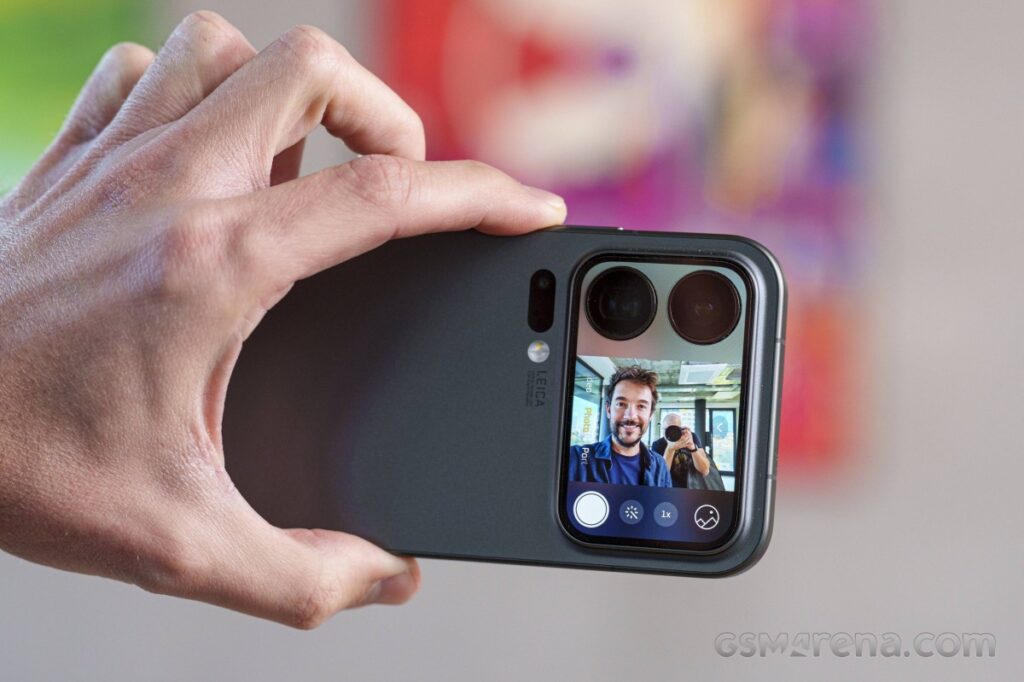
Xiaomi is reportedly testing a privacy-focused display for the Xiaomi 18 Pro, and the idea goes beyond a simple panel upgrade. If the feature reaches the final device, it could make private chats and passwords harder to glimpse from the side in public places.
The leak suggests that Xiaomi is looking at a more integrated approach to screen security. Rather than relying on a basic filter effect, the company is said to be combining hardware and software to limit what bystanders can see.
A display aimed at keeping sensitive content out of sight
The rumored privacy screen is designed to narrow the viewing angle so nearby people cannot clearly read what is on the display. That matters for common daily use, especially when users open messaging apps, enter passwords, or check personal information in crowded places.
According to tipsters Digital Chat Station and Smart Pikachu, Xiaomi is testing a new Pro flagship model with a next-generation 2K display and built-in privacy protection technology. The device name has not been confirmed directly, but speculation currently points to the Xiaomi 18 Pro.
This direction could make the display one of the most important parts of the next flagship story. In premium phones, screen upgrades are usually associated with resolution, brightness, and color accuracy, while privacy has rarely been treated as a headline feature.
What the Xiaomi 18 series may bring
Smart Pikachu previously said the Xiaomi 18 series is scheduled to launch in September. The information remains unconfirmed, and Xiaomi has not officially detailed the device yet.
Beyond the privacy panel, the Xiaomi 18 line is expected to include broader improvements across the display and camera system. Reports also suggest that Xiaomi may keep the secondary rear display concept that has become a recognizable design element for the brand.
The main screen is said to feature larger rounded corners, an effective 2K resolution, and a brighter peak brightness level than the previous generation. If accurate, those changes would give the phone a more complete flagship display package, not just a privacy trick.
Camera, HyperOS, and AI integration
The camera side is also drawing attention. The series is said to use a custom 200MP main camera based on LOFIC, indicating that Xiaomi is targeting more than a simple megapixel boost.
No full camera configuration has been revealed yet, but the primary sensor alone suggests that imaging will remain a major pillar of the lineup. Xiaomi appears to be building the device around a mix of screen innovation and high-end camera hardware.
On the software side, the Xiaomi 18 family is expected to run HyperOS 4. Reports say the interface may introduce a new light-inspired visual style and deeper AI integration across apps.
Another leak mentions a dedicated AI button, which would give users faster access to artificial intelligence functions. That would fit the broader direction of a flagship designed to feel more immediate and more capable in everyday use.
Why the privacy screen could matter
The privacy display may be the feature with the clearest real-world benefit. Many users now handle chat threads, verification codes, work files, and banking apps while commuting, sitting in cafés, or working in shared spaces.
In that context, limiting side viewing angles can add a practical layer of protection. If Xiaomi’s test combines software and hardware as rumored, the result could be more effective than a standard screen film or simple software overlay.
Samsung is also said to be exploring similar privacy screen solutions for future Galaxy flagships. That overlap hints that privacy-oriented displays may become a new premium category trend rather than a niche experiment.
For now, the Xiaomi 18 Pro remains a product defined by leaks rather than official details. Still, the direction is clear enough: Xiaomi seems to be preparing a flagship that treats screen privacy as a core selling point, alongside a 2K panel, a 200MP camera, HyperOS 4, and a dedicated AI button.