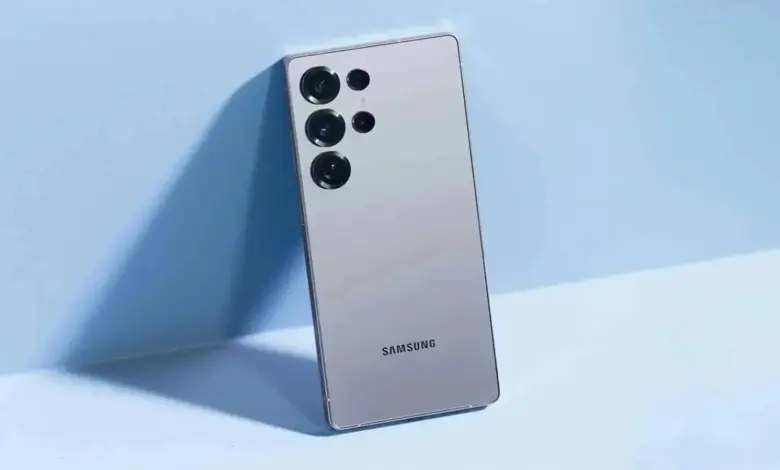
Samsung appears to be taking a cautious path with the base Galaxy S27. Instead of pushing a broad set of upgrades, the company is reportedly weighing compromises that could help keep the next standard flagship from becoming more expensive.
That approach matters because the most basic Galaxy S27 may end up looking far closer to the Galaxy S26 than many buyers might expect. If the latest chatter proves accurate, Samsung seems more focused on cost control than on making the base model feel dramatically new.
Cost pressure appears to be driving the strategy
According to a Naver post attributed to tipster Lanzuk, Samsung is trying to freeze several cost drivers around the Galaxy S27. The claim points to a deliberate effort to avoid changes that would raise the bill of materials.
One of the biggest rumored holdbacks concerns the camera system on the base model. Lanzuk says Samsung is not planning any meaningful camera changes for the regular Galaxy S27.
The display may follow the same pattern. The leak suggests Samsung will not upgrade the “material display” on the base variant, which would again help keep manufacturing expenses under control.
What that could mean for buyers
If those rumors hold, the regular Galaxy S27 may deliver only limited visible changes compared with its predecessor. That would make it a conservative upgrade cycle for buyers who usually expect a sharper leap from a new flagship generation.
The reasoning is tied to wider market pressure. Costs for components, including memory and AI-related demands, are said to be making smartphone makers more careful with feature additions.
Samsung is therefore being portrayed as balancing two competing goals: keeping the base model affordable while avoiding a price jump that could hurt demand.
Other rumors point to uneven upgrades across the lineup
Separate leaks suggest the Galaxy S27 series may move to UFS 5.0 storage, but not every model is expected to receive it. The reports indicate that only some variants would benefit from the faster standard.
That makes premium models, especially the Ultra, the more likely candidates for the storage upgrade. The base version, by comparison, could be left out as Samsung tries to manage production costs.
This kind of split strategy would reinforce the gap between the regular and top-tier models. More expensive improvements may be reserved for the higher-end devices, while the entry flagship stays restrained.
Qi2 support could still force design changes
At the same time, the Galaxy S27 series is also linked to deeper Qi2 integration. That rumor is important because adding Qi2 magnets properly may require Samsung to move the camera layout inside the phone.
In other words, even if the base model skips major camera and display upgrades, the device may still need internal redesign work. The goal would be to make room for the Qi2 magnet structure without compromising the rest of the hardware.
The exact scale of that redesign is still unclear. What the rumor does show is that Samsung may be saving its biggest changes for internal adjustments rather than visible spec boosts on the standard model.
For now, the picture around the base Galaxy S27 remains incomplete. But the combination of cost-control rumors, selective UFS 5.0 rollout, and possible Qi2-related layout changes suggests Samsung is trying to keep its standard flagship from drifting into a higher price bracket.
There is also mention of Samsung possibly looking at BOE for display-related hardware, though it remains unclear whether that would translate into a final specification change. Until more solid information emerges, the base Galaxy S27 looks set to be one of Samsung’s most carefully managed upgrades.