Several Android phones are approaching the end of their official software life, and that shift matters more than many users realize. Once update support ends, devices stop receiving the latest security patches and future Android versions, which can leave them increasingly exposed over time.
The growing problem is not limited to older budget models. Even well-known flagship devices such as the Google Pixel 6 series, OnePlus 10T, and Sony Xperia 5 V are on the list of phones that will lose support in 2026.
Why update support matters
Software updates do more than add new features. They also close security loopholes that are discovered after a phone goes on sale, making them a critical layer of protection for daily use.
When support ends, the risk profile changes quickly. Apps can also become less reliable over time if they are built for newer Android versions than the phone can still run.
Phones approaching the end of support
Google Pixel 6 and Pixel 6 Pro are among the most notable cases. Released on 28 October 2021, both launched with Android 12 and were originally promised five years of major OS updates and security support.
That schedule means Android 17 is the last major update for both devices, and their official support ends in October 2026. For users who still rely on them daily, that makes the timeline for replacement increasingly relevant.
Motorola Moto G Stylus 5G (2023) is also nearing the end of its update window. It launched in June 2023 with Android 13, received only one major Android upgrade to Android 14, and was promised three years of security updates.
With that policy, official support for the Moto G Stylus 5G (2023) ends at the end of June 2026. The phone debuted at US$ 399, or about Rp 6,5 juta.
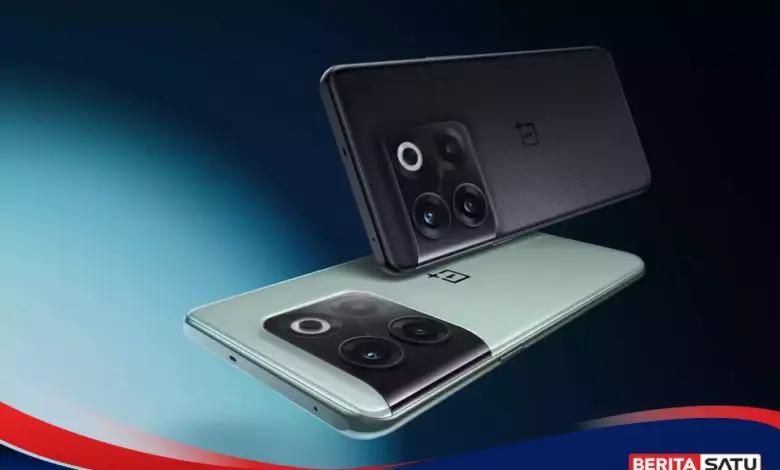
OnePlus 10T follows a similar path, though with a longer software promise than Motorola’s stylus phone. Released in August 2022 with OxygenOS 13 based on Android 12, it was guaranteed three major Android upgrades and four years of security updates.
Under that plan, OnePlus 10T will stop receiving official updates in August 2026. Its launch price was US$ 649, or about Rp 10,6 juta.
Sony Xperia 5 V is also set to lose support in 2026. Sony has set security update support to end on 1 August 2026, after which the device will no longer receive security updates over the air.
The phone launched with Android 13 and later received Android 14 and Android 15. Android 15 is the final major OS update for the Xperia 5 V, which debuted at more than US$ 1.000, or about Rp 16,3 juta.
Motorola Edge (2023) rounds out the group with an update policy that also expires in 2026. It launched in October 2023 with Android 13 and was promised two major OS upgrades plus three years of security updates.
Based on that schedule, the Motorola Edge (2023) will stop receiving official updates at the end of September 2026. Its starting price was US$ 600, or about Rp 9,8 juta.
What users are being pointed toward instead
For Pixel 6 and Pixel 6 Pro owners, newer Pixel phones are presented as the clearest path forward. Google Pixel 10, Pixel 10 Pro, and Pixel 10 Pro XL are highlighted as longer-supported options, while the Pixel 8 Pro remains attractive because of its competitive hardware and still-healthy support window.
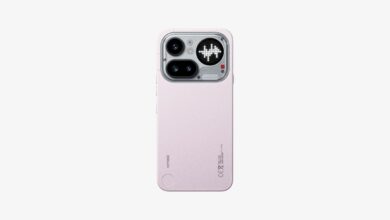
Motorola Moto G Stylus (2026) appears as the most direct replacement for Moto G Stylus 5G (2023) because it keeps the stylus feature. Nothing Phone (4a) Pro is also mentioned as a midrange alternative with a different design approach.
Owners of OnePlus 10T are pointed toward OnePlus 15R, which brings a larger display, a bigger battery, and upgrades in memory and storage. It launched at US$ 700, or about Rp 11,4 juta, only slightly above the OnePlus 10T’s original price.
For Xperia 5 V users, the suggested options include Samsung Galaxy S26, Samsung Galaxy S26+, OnePlus 15, and Google Pixel 10 Pro. Motorola Edge (2026) is the most obvious successor for Motorola Edge (2023), with a starting price of US$ 600, or about Rp 9,8 juta, matching the earlier model’s launch price.
The broader message is straightforward: phones that no longer receive updates become harder to defend and less future-ready for everyday apps. For many users, that makes 2026 less like a distant deadline and more like the moment to start planning a replacement.