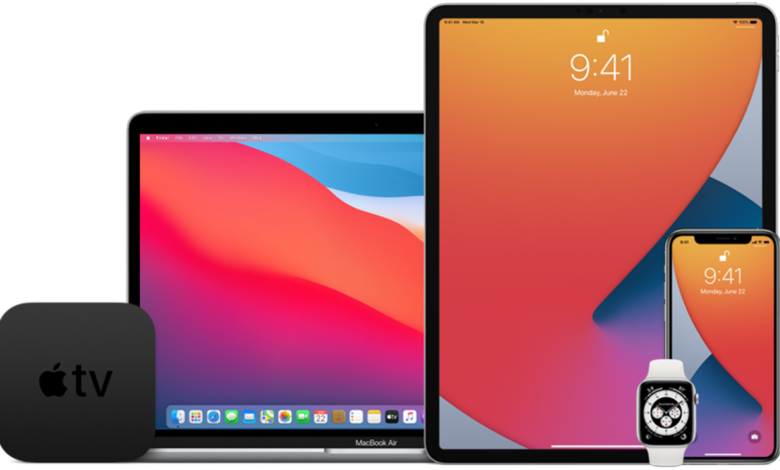
Apple is beginning to pass rising component costs on to buyers, and the shift is now visible across both the iPad and Mac lineups. In some markets, the increase is said to reach around Rp 4.3 million, underscoring how sharply manufacturing expenses have moved.
The adjustment is not limited to one product tier. It affects nearly the entire core Apple portfolio, while prices in Indonesia are moving unevenly and creating a very different picture from the global market.
iPad prices are changing across multiple tiers
In international markets, the base iPad has risen from 349 dollar AS to 449 dollar AS. The premium iPad Pro 13-inch has also moved up, from 1,299 dollar AS to 1,499 dollar AS.
The increase extends to the iPad Mini, Air, and Pro families as well. That means the price revision is not confined to entry-level buyers and also reaches models favored by users who want more advanced features.
Indonesia is seeing a more mixed pattern. Some iPad models have become more expensive, while others have gone down, depending on the series and storage configuration.
| Model | Price Change in Indonesia |
|---|---|
| iPad Gen 11 128 GB WiFi | Up Rp 1.2 million to Rp 7,199,000 from Rp 5,999,000 |
| iPad Air 11-inch M3 512 GB WiFi | Down Rp 1,350,000 to Rp 16,649,000 from Rp 17,999,000 |
| iPad Pro M5 13-inch 256 GB WiFi with standard glass | Down Rp 500,000 to Rp 26,499,000 from its launch price |
The sharpest increase in the country is the iPad Gen 11 128 GB WiFi, which climbed Rp 1.2 million. For larger storage versions such as 256 GB, 512 GB, and 1 TB, the increase is generally around Rp 700,000.
At the same time, iPad Air M4, which launched in May, is still holding steady. That contrast shows that Apple’s pricing changes in Indonesia are not following a single pattern across the lineup.
Mac and other devices are also under pressure
Apple is not limiting the adjustment to tablets. The company has also raised prices for several Mac and PC-related devices, including MacBook Neo, MacBook Air, MacBook Pro, iMac, Mac mini, and Mac Studio.
The increase also reaches Apple TV 4K and HomePod. Among these products, the Mac Studio M3 Ultra saw the largest jump, moving from 3,999 dollar AS to 5,299 dollar AS.
Apple says the move is tied to a surge in global manufacturing component costs. The company said it had tried to shield customers from the impact for as long as possible before reaching a point where the pressure could no longer be absorbed.
“We have never seen component cost increases like this, this fast,” Apple said. The company added that it had protected customers from price rises for as long as it could, but the current situation has forced a reset.
Tim Cook made a similar point in an interview with The Wall Street Journal, saying that memory and storage components in particular were driving costs higher. “The situation is no longer sustainable,” Cook said, signaling that the strain on the supply chain remains unresolved.
iPhone has not moved yet, but caution is rising
For now, iPhone, Apple Watch, and AirPods have not been affected by the latest wave of price increases. Even so, industry observers believe the iPhone line could be next if component costs keep climbing.
Nabila Popal, senior research director at IDC, said the iPhone will not escape future pricing adjustments. That view has added to market attention on Apple’s next move, especially if global production costs remain elevated.