


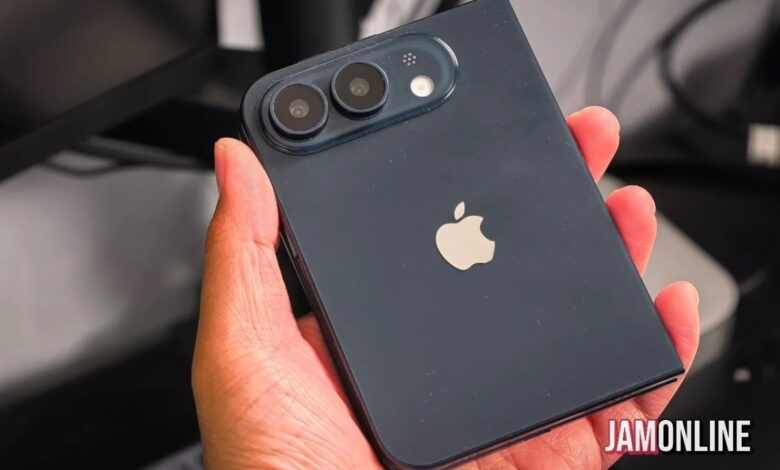
Apple is still believed to be on track for its first foldable iPhone, widely expected to arrive under the name iPhone Ultra. The launch timetable appears intact, but the device is still facing one issue that could matter far more than the schedule: hinge durability.
That concern sits at the center of the foldable category. On a device that opens and closes thousands of times, even a minor hinge flaw can affect day-to-day comfort, manufacturing yields, and buyer confidence.
Production still points to a September launch
According to a supply-chain report from Korean outlet The Elec, mass production is still scheduled to begin at the end of July. If that timing holds, Apple would still have room to launch the device in September.
The report suggests Apple has cleared one of the biggest hurdles in bringing a foldable iPhone to market. Key specifications are also said to have been locked, including the display, chassis, and mechanical components.
| Reported milestone | Status | What it means |
|---|---|---|
| Mass production | End of July | Supports a September launch window |
| Core specifications | Locked | Includes display, chassis, and mechanical parts |
| Assembly partner | Foxconn | Expected to handle the initial manufacturing batch |
The hinge remains the hardest part
Even with production still on schedule, the most difficult engineering challenge reportedly remains the hinge design. Durability testing involving millions of open-close cycles reportedly found a small sound from the hinge and wider manufacturing tolerances than expected.
Those two issues were said to contribute to a higher defect rate during assembly. For a foldable phone, that is more than a cosmetic concern, because the stability of the hinge determines long-term reliability.
The Elec reports that most hinge-related problems have now been resolved. Even so, the same report indicates the device is not completely out of the risk zone yet.
Why Apple’s foldable ambitions are more demanding
Apple has spent years working on the hinge system for its first foldable device. The goal is not only durability, but also a nearly crease-free OLED display.
That ambition makes the project more complex than a conventional smartphone launch. On a foldable device, visual quality and structural strength are directly tied to the hinge design.
A tiny sound in the mechanism or looser production tolerances can affect how the phone feels to open and close. It can also shape how premium the device appears in the hand.
Apple is also known for avoiding major risks on first-generation products. That approach fits the company’s effort to arrive with a polished foldable rather than simply racing to join the market.
Premium pricing raises the stakes
The device is also said to carry a price tag of around US$2,000. At that level, expectations for build quality and everyday durability become much higher.
Buyers in the premium segment usually want more than a new form factor. They also expect a device that feels solid, opens quietly, and holds up well over time.
That is why the hinge issue matters so much. A small defect in the most important moving part could have an outsized effect on how consumers judge the product.
Leaked details circulating on social media have described the device as a book-style foldable, with one post linking it to a 7.8-inch internal display. Those details remain unconfirmed and should be treated cautiously.
For now, the clearest picture is that Apple is still moving toward the foldable market without slipping from its schedule. The unanswered question is whether the hinge is already good enough to meet the standards expected of an iPhone Ultra.