Budget tablets in the Rp2 million range are no longer easy to dismiss. For students, hybrid workers, and home users, this price bracket now offers more screen space, larger storage, and better day-to-day performance than it once did.
The shift is especially visible as tablets take on more work-related tasks alongside entertainment. With online classes, virtual meetings, and digital content consumption now routine, affordable tablets are increasingly being judged by how well they handle productivity, not just media playback.
Infinix XPAD WiFi stands out on paper
One of the most notable models in this segment is the Infinix XPAD WiFi 4GB/256GB. It uses an 11-inch IPS LCD display with Full HD+ resolution and a 90Hz refresh rate, which makes everyday navigation feel smoother than standard 60Hz panels.
Under the hood, the tablet runs on the MediaTek Helio G99 built on a 6nm process. That combination is aimed at balancing performance and power efficiency, making it suitable for study sessions, document editing, and entertainment.
Its biggest appeal is the 256GB storage option. That much space gives users room for photos, videos, and work files without running out of memory too quickly.
| Model | Display | Processor | Storage |
|---|---|---|---|
| Infinix XPAD WiFi 4GB/256GB | 11-inch IPS LCD, Full HD+, 90Hz | MediaTek Helio G99, 6nm | 256GB |
Connectivity is now a major deciding factor
Beyond core specifications, connectivity has become one of the most important considerations in this price segment. Several tablets in the Rp2 million class already support 4G LTE, so users do not have to rely entirely on WiFi.
That matters for students who move between locations, field workers, and anyone who needs internet access at any time. With a SIM card installed, the tablet can handle online classes, video conferencing, and cloud-based documents more conveniently.
As mobile working habits continue to spread, 4G LTE is increasingly seen as a necessity rather than a bonus. In this part of the market, always-on connectivity can matter as much as a bigger screen or extra storage.
Tablets are becoming more productive tools
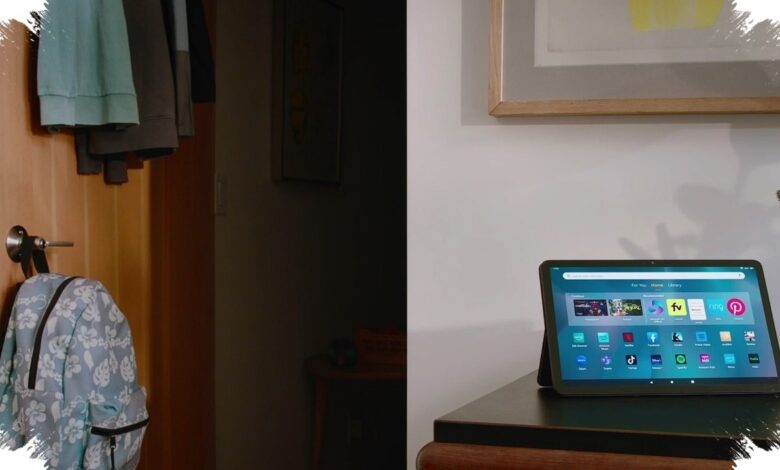
Affordable tablets are also being positioned more clearly as productivity devices. With a Bluetooth keyboard or a separately sold stylus, many users now use them to type documents, build presentations, and join remote meetings.
This direction reflects a broader change in how manufacturers see the category. Competition with entry-level laptops has pushed budget tablets to become more versatile while staying light enough to carry around easily.
Choice still depends on how the device will be used
Even with many attractive models available, the right choice still depends on the user’s needs. If large file storage is the priority, memory capacity should be given more weight.
For people who often work outside the home, models with 4G LTE offer more flexibility. In this segment, the strongest value usually comes from the combination of a large display, generous storage, and mobile connectivity.
Competition is also intensifying as brands such as Infinix, Samsung, Xiaomi, Huawei, and HONOR bring specifications that were once more common in mid-range devices. That has made the line between entry-level and mid-range tablets much thinner.
Looking ahead, manufacturers are expected to keep pushing higher RAM and storage capacities while improving power efficiency and multitasking. That makes budget tablets in the Rp2 million range increasingly attractive for buyers who want affordability without giving up practicality.