A new joint response is taking shape as Indonesia moves to curb the spread of online gambling promotions that now flood social media through spam comments. The Ministry of Communication and Digital Affairs, or Kemenkomdigi, has partnered with Meta to form a special team focused on this growing problem.
The effort is designed to go beyond simple content removal. Officials want a broader system that can identify patterns, track coordinated behavior, and connect platform action with law enforcement and financial watchdogs.
A wider task force is being prepared
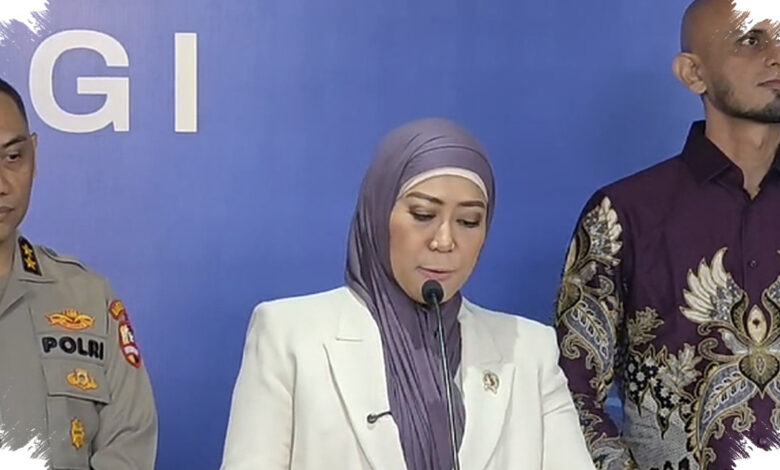
Minister of Communication and Digital Affairs Meutya Hafid said the team will not stop at cooperation with Meta alone. She said it will also bring in other digital platforms, police, PPATK, and OJK so the response can cover enforcement and monitoring more comprehensively.
According to Meutya, the joint team is meant to address the spam that appears in comment sections, especially posts tied to accounts with strong audience engagement. The plan reflects a shift from isolated moderation toward coordinated oversight across institutions.
Spam comments have risen sharply
Kemenkomdigi said it has recorded a 128% increase in spam comments promoting online gambling. The surge is not limited to one app, as the activity now spreads across several major platforms at the same time.
A review by the ministry shows TikTok accounts for 35% of the spam, followed by Facebook at 28%, Instagram at 22%, YouTube at 10%, and X at 5%. The pattern suggests that perpetrators are using the broad reach of social media to push promotions at scale.
| Platform | Share of Spam Comments |
|---|---|
| TikTok | 35% |
| 28% | |
| 22% | |
| YouTube | 10% |
| X | 5% |
High-engagement accounts are the main target
The ministry also found that 52% of spam comments target regional influencer accounts with high audience interaction. Government agency accounts were next at 31%, while media accounts accounted for 12% and public figures or politicians for 5%.
Meutya said official government and public figure accounts are often harder to block, which gives the perpetrators more room to expose their promotions to a wider audience. That makes the accounts especially attractive for automated spam campaigns.
| Target Type | Share of Spam Comments |
|---|---|
| Regional Influencer Accounts | 52% |
| Government Agency Accounts | 31% |
| Media Accounts | 12% |
| Public Figures and Politicians | 5% |
Bots are driving the attack
Kemenkomdigi said the spam is not sent manually but through automated systems or bots. These systems can monitor social media activity in real time and detect accounts experiencing sudden spikes in engagement.
Once a target is identified, the bots can send thousands of promotional comments at the same time across different platforms. That makes the campaign fast, organized, and difficult to stop with manual moderation alone.
The ministry said the automated pattern is one reason a broader response is needed. If the activity keeps shifting from one account to another, isolated platform controls may not be enough to contain it.
Law enforcement and financial oversight are now involved
As follow-up action, Kemenkomdigi has coordinated with the police, PPATK, OJK, and BSSN. The ministry said the formal findings from its social media monitoring will be handed over to the relevant institutions to support law enforcement efforts.
The approach is intended to help trace the networks behind online gambling operators that use social platforms as promotion channels. With multiple agencies involved, the government hopes the new team can respond to spam comments in a more coordinated and durable way.