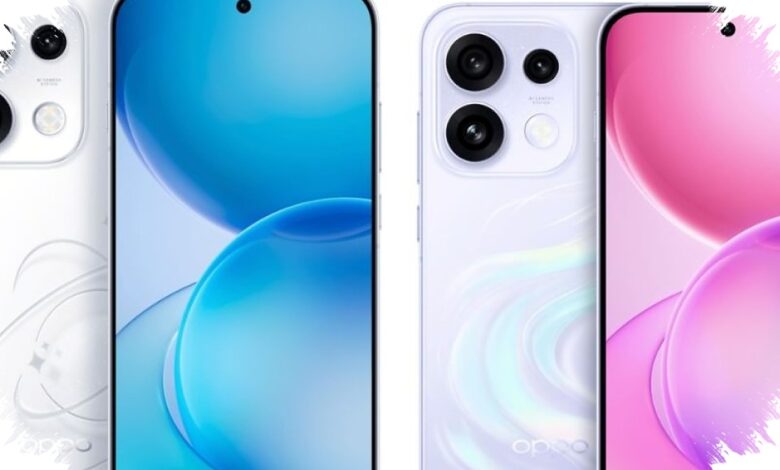
Oppo has positioned the Reno 16 Pro as the most complete model in the Reno 16 Series, with upgrades that are easy to notice on the screen, in the camera setup, and under the hood. Compared with the standard Reno 16, the Pro model is built for users who want a more premium experience without leaving the Reno identity behind.
The lineup also continues Oppo’s focus on design, AI features, and a more refined mid-premium position. In Indonesia, the series has already been opened for pre-order ahead of its official launch, with Reno 16 F, Reno 16, and Reno 16 Pro offered as the three main choices.
Display gets the clearest boost
Reno 16 and Reno 16 Pro both use a 6.32-inch AMOLED panel with 1.5K resolution, HDR10+ support, and peak brightness of up to 3,600 nits. The difference appears in the refresh rate, where the Pro model goes higher.
Reno 16 comes with a 120Hz refresh rate, while Reno 16 Pro rises to 144Hz. That increase should make scrolling, animations, and gaming feel smoother on the Pro version.
Performance is also stepped up
Oppo gives the two models different chipsets to separate their roles more clearly. Reno 16 uses Qualcomm Snapdragon 7 Gen 4, while Reno 16 Pro is powered by MediaTek Dimensity 8550 Super for the global market.
The Pro model is designed to deliver stronger CPU and GPU performance, which should help in multitasking, content editing, and demanding games. It also comes with 12GB RAM as standard, while Reno 16 is available with 8GB and 12GB RAM configurations.
Camera is where the gap becomes most obvious
Both phones share a 50MP telephoto camera with 3.5x optical zoom, a 50MP ultrawide camera, and a 50MP autofocus selfie camera. The front camera also supports video recording up to 4K 60fps.
The biggest difference sits on the main camera. Reno 16 uses a 50MP main sensor with OIS, while Reno 16 Pro steps up to a 200MP main sensor with OIS for higher detail capture.
| Feature | Reno 16 | Reno 16 Pro |
|---|---|---|
| Main Camera | 50MP with OIS | 200MP with OIS |
| Refresh Rate | 120Hz | 144Hz |
| Chipset | Snapdragon 7 Gen 4 | Dimensity 8550 Super |
| RAM | 8GB / 12GB | 12GB |
Video capabilities are also more aggressive on the Pro model. Reno 16 supports recording up to 4K 60fps and Full HD 120fps slow motion, while Reno 16 Pro extends slow motion to 480fps at 1080p and 960fps at 720p.
Battery, charging, and software stay aligned
Both devices use a silicon-carbon battery with up to 6,700mAh capacity in most global markets, including Southeast Asia. They also share 80W SUPERVOOC fast charging, which keeps the charging experience consistent across the range.
Reno 16 Pro adds support for UFCS, or Universal Fast Charging Specification, making it more compatible with a wider set of chargers. On the software side, both models run ColorOS 16 based on Android 16.
Oppo also adds AI features across the series, including AI Remix Collage, Pop Cam, AI LinkBoost 4.0, and other productivity-focused tools. These features reinforce the company’s effort to make the Reno line more than just a design-led smartphone family.
A more premium Reno without changing the formula
The Reno 16 Pro shows how Oppo is sharpening the upper side of the Reno 16 Series. It is aimed at users who want a faster display, a stronger camera lead, and more flexible video recording in a mid-premium package.
At the same time, Reno 16 remains the more affordable path into the same design language and core features. With three models in the lineup, Oppo is giving buyers a wider spread of options based on budget and usage needs.