


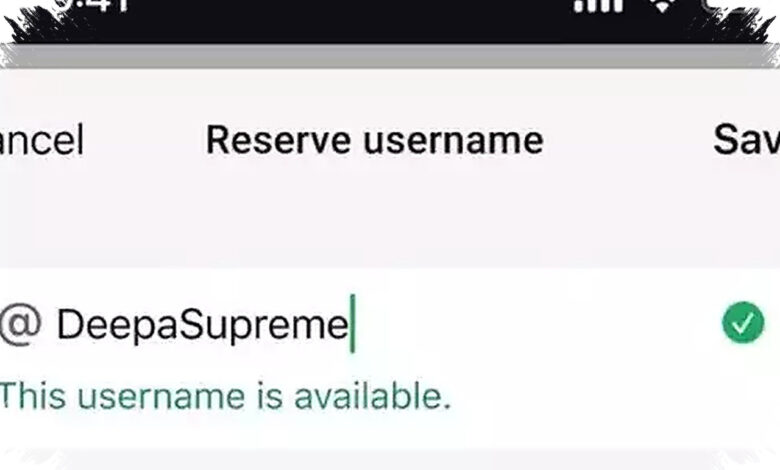
WhatsApp is under growing pressure over its planned username feature, as regulators worry it could make fraud and impersonation easier. India has formally asked the company to delay the rollout, citing risks tied to identity theft, fake accounts, and misuse by people posing as public figures or official institutions.
The concern is not about the idea of usernames itself, but about what happens if the feature reaches users without strong safeguards. WhatsApp wants usernames to let people connect without sharing phone numbers, yet authorities fear that convenience could also create new openings for scammers.
India’s objections center on safety and identity abuse
According to the government’s formal letter, the request to postpone the feature is based on existing rules under the IT Act 2000, the IT Rules 2021, and related regulations. Officials argue that usernames may be easier to exploit than phone-number-based communication if protections are not tight enough.
One of the main worries is impersonation. In particular, regulators flagged the risk that usernames could be used to copy the identity of public figures, government accounts, or other official bodies.
WhatsApp says phone numbers will still matter
WhatsApp has responded by saying usernames will not replace phone numbers as the core requirement for account creation. The company said a valid phone number will still be needed, which keeps the base identity of each account tied to a phone number.
The company also says it has prepared several controls to reduce abuse. These include reserving usernames linked to public figures, government agencies, celebrities, and verified Meta accounts so that only the rightful owners can use them.
Usernames that closely resemble official accounts will also be restricted. That step is meant to reduce the chance of spoofing, which is a common tool in digital scams.
Limits on contact attempts and suspicious behavior
WhatsApp says a user must know the exact username before reaching someone through the feature. That design is intended to prevent random outreach and make communication less open-ended than some other messaging systems.
The platform will also limit how many new people an account can contact. In addition, it plans to block repeated attempts to guess a username, a pattern often associated with misuse.
| Safeguard | What It Does | Why It Matters |
|---|---|---|
| Reserved usernames | Protects names tied to public figures, governments, celebrities, and verified Meta accounts | Reduces impersonation risk |
| Exact username contact | Requires precise username knowledge before messaging | Limits random outreach |
| Contact limits | Restricts how many new people an account can reach | Helps curb bulk misuse |
| Guessing blocks | Prevents repeated username-guessing attempts | Stops a common attack pattern |
The company has also said it will use systems designed to detect and remove activity that shows signs of identity spoofing or other abuse. These protections are central to its effort to keep the feature safe as it expands more broadly.
Extra context shown to people receiving a first message
Another layer of protection will appear when a person receives a first message from a username-based account. WhatsApp will show additional context, including whether the account is newly created, already saved in contacts, shares a group with the recipient, or is based in another country.
That information gives users a clearer picture before they choose to reply. It also matters because first-contact messages are often where scam attempts begin.
WhatsApp is still planning a gradual rollout of usernames toward the end of 2026, but the dispute shows how sensitive the feature has become. Regulators want stronger assurances that the new system will improve convenience without creating a larger space for fraud and impersonation.
For now, the debate puts WhatsApp in a position where product ease and public safety must be balanced carefully. The company’s safeguards may help, but India’s concerns suggest the final approval path could remain cautious.