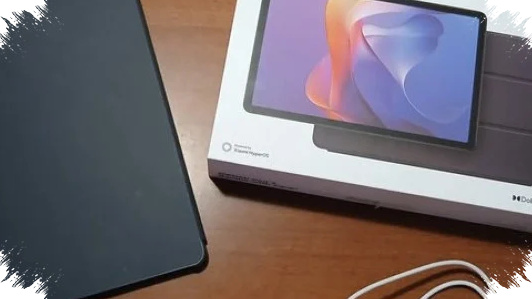
The mini tablet segment is heating up again as users look for compact devices that can still handle light work and entertainment comfortably. In that crowded space, Redmi K Pad, sold in Malaysia as Xiaomi Pad Mini, is drawing attention for taking a more aggressive approach than the iPad Mini.
A recent comparison shared by the YouTube channel PutraZ highlighted the most important differences between the two devices. Screen size, display sharpness, bezel thickness, stylus support, and battery capacity emerged as the main points of separation.
Display advantage is the clearest gap
The most visible difference comes from the display. Redmi K Pad uses an 8.9-inch panel, while the iPad Mini has an 8.3-inch screen.
Resolution also tilts in Redmi K Pad’s favor, with 1,880 x 3,008 pixels versus 1,488 x 2,266 pixels on the iPad Mini. In the PutraZ comparison, that higher pixel count made Redmi K Pad look sharper on screen.
The refresh rate widens the gap even further. Redmi K Pad offers 165Hz, far above the iPad Mini’s 60Hz, which makes a noticeable difference when scrolling, gaming, and moving through interface animations.
| Model | Display Size | Resolution | Refresh Rate |
|---|---|---|---|
| Redmi K Pad | 8.9 inches | 1,880 x 3,008 | 165Hz |
| iPad Mini | 8.3 inches | 1,488 x 2,266 | 60Hz |
Bezel design gives Redmi K Pad a more modern look
Beyond the panel itself, the physical design also separates the two tablets. Redmi K Pad’s bezels appear thinner than those on the iPad Mini in the comparison video.
Thinner bezels make the display area feel more expansive without significantly increasing the device’s size. That design choice fits a broader industry trend toward higher screen-to-body ratios.
For everyday use, the cleaner look can add value when reading, watching videos, or working through longer sessions. A more modern front design also helps the tablet feel more up to date in a segment where compact size matters.
Stylus support keeps both tablets in the productivity conversation
Both Redmi K Pad and iPad Mini support a stylus, and PutraZ described their basic pen capability as relatively similar. That means users can treat either device as more than just a small entertainment screen.
Stylus support opens the door to note-taking, sketching, and document editing. It also shows how mini tablets are increasingly being positioned as productivity tools for students, creative users, and professionals.
Bigger battery gives Redmi K Pad another edge
Battery capacity is another area where Redmi K Pad moves ahead. The iPad Mini is said to have a 5,780 mAh battery, while Redmi K Pad is equipped with a 7,500 mAh unit.
That difference could translate into longer daily usage for video streaming, gaming, and work sessions that do not always end near a charger. Battery life has become one of the key factors buyers consider alongside performance and display quality.
Mini tablets are becoming more competitive again
Based on the comparison shown by PutraZ, Redmi K Pad, or Xiaomi Pad Mini, comes out ahead in several key areas against the iPad Mini. Its advantages are most obvious in screen size, resolution, refresh rate, bezel design, and battery capacity.
The comparison, however, focuses only on the device specifications shown in the video. Other factors such as the operating system experience and ecosystem were not discussed.
Even so, the more aggressive hardware approach from Android tablet makers suggests a more interesting market direction. Mini tablets are once again being treated as compact devices that can bridge both entertainment and productivity needs.